Design Services


The Ultimate Guide to Storage Container Shelters: Material Selection and Step-by-Step Installation

In the fast-paced world of logistics, construction, agriculture, and industrial storage, protecting valuable assets from the elements is a constant challenge. Rain, snow, intense UV radiation, wind, and debris can damage equipment, spoil materials, and disrupt operations. This is where storage container shelters emerge as a highly practical, cost-effective, and rapidly deployable solution.
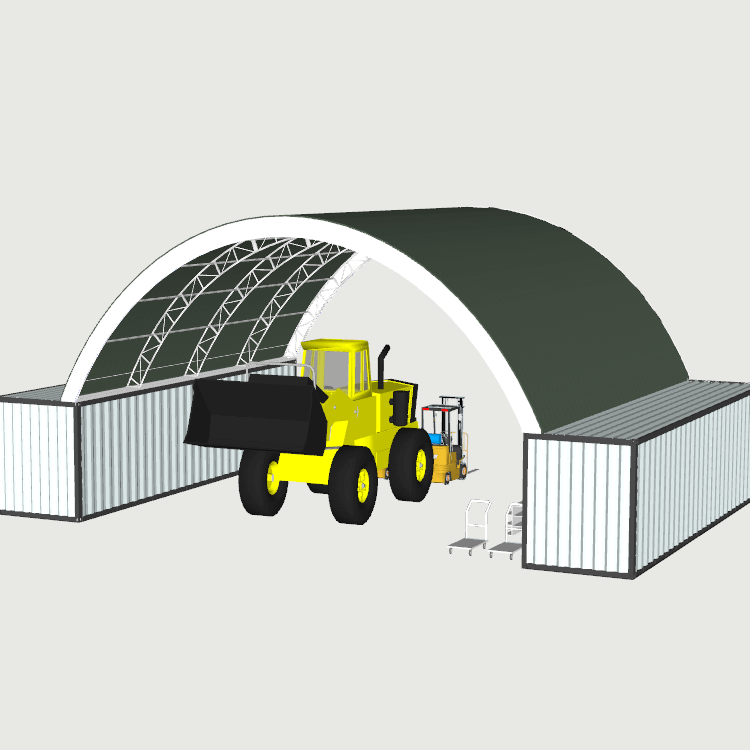
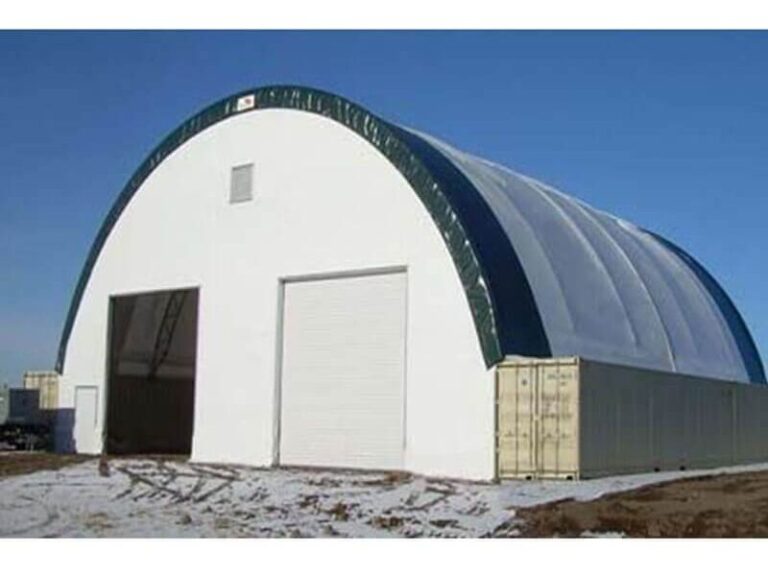
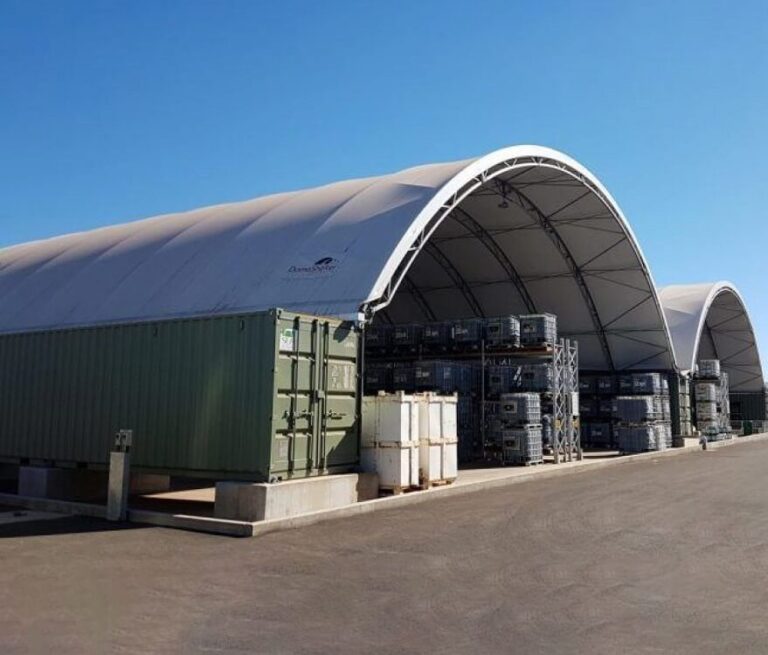
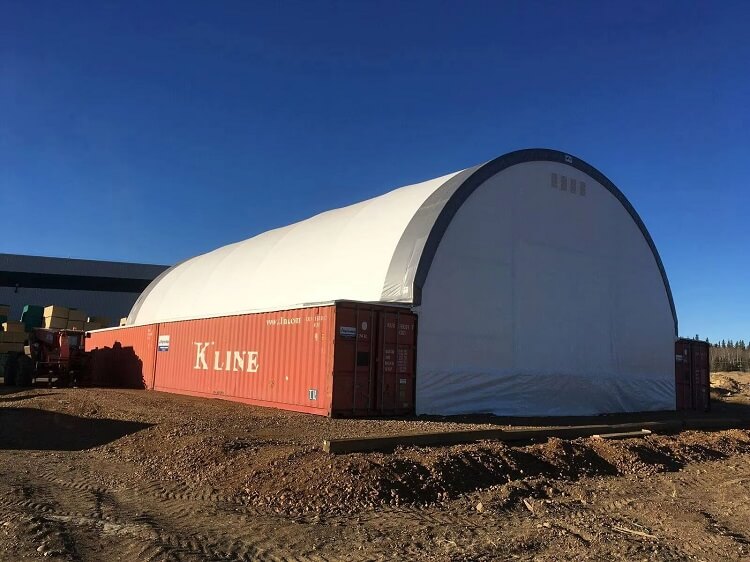
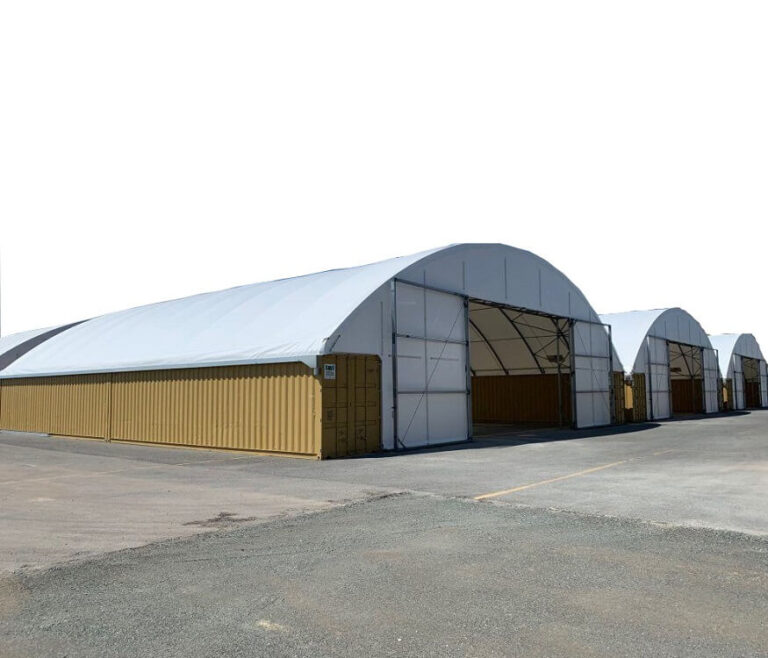
A storage container shelter is a tensile membrane structure—typically constructed from a high-strength steel frame and a durable fabric membrane—that stretches over or between shipping containers to create a covered workspace or storage zone. These shelters offer an intelligent alternative to permanent brick-and-mortar buildings, avoiding lengthy planning permissions, high capital costs, and complex foundation work.
But not all storage container shelters are created equal. The performance, longevity, and safety of your shelter depend on two critical factors: the quality of the materials used and the precision of the installation process. This comprehensive guide will walk you through everything you need to know about selecting the right membrane material for your storage container shelter and the correct step-by-step installation procedure. We will also showcase how Guangdong Zhongke Membrane Structure Co., Ltd. —a leading Chinese manufacturer with over 15 years of industry experience—delivers world-class membrane structure solutions that meet international standards.
Part 1: How to Choose the Right Material for Your Storage Container Shelter
The membrane fabric is the heart and skin of any storage container shelter. It is what keeps rain out, reflects sunlight, withstands wind loads, and maintains its appearance over years of outdoor exposure. Choosing the wrong material can lead to premature degradation, costly maintenance, and even structural failure.
In the membrane structure industry, two materials dominate the market for storage container shelters: PVC membrane fabric and PVDF membrane fabric. While both offer reliable protection, their performance characteristics, lifespans, and costs differ significantly. Let us break down each option in detail.
PVC Membrane Fabric: The Practical Workhorse
Polyvinyl chloride (PVC)-coated polyester fabric is the most widely used membrane material for storage container shelters worldwide. It consists of a high-tenacity polyester woven base fabric coated with PVC on both sides. The polyester base provides tensile strength and tear resistance, while the PVC coating delivers waterproofing, UV protection, and weatherability.
Key Features of PVC Membrane Fabric:
- Cost-Effective: PVC membrane is the most affordable option among structural membrane materials. For businesses on a tight budget, PVC offers a practical entry point into membrane shelter technology.
- Good Mechanical Strength: High-tenacity polyester woven fabric provides tensile strength in the range of 3,000 to 8,000 N/5cm, making it suitable for moderate spans and loads.
- Waterproof and UV-Resistant: The PVC coating is inherently waterproof and contains UV stabilizers to resist degradation from sunlight.
- Weldable: PVC membrane can be heat-sealed or high-frequency welded, allowing for efficient fabrication of custom panels and on-site repairs.
- Color Variety: PVC membrane is available in a wide range of colors, allowing for aesthetic customization.
Limitations of PVC Membrane Fabric:
- Moderate Lifespan: Under long-term outdoor exposure, the PVC coating gradually yellows, becomes brittle, and loses its luster due to UV radiation and plasticizer migration. The typical service life of standard PVC membrane is 8 to 12 years, although this can be extended with proper maintenance.
- Self-Cleaning Performance: The PVC surface has relatively high surface energy, meaning dust and dirt adhere more easily. Regular manual cleaning is often required to maintain a presentable appearance.
- Plasticizer Migration: Over time, plasticizers within the PVC formulation can migrate to the surface, leading to a sticky residue that attracts dirt and reduces performance.
- Smoke Emissions in Fire: While PVC membrane can be manufactured to meet B1 fire-retardant standards, it produces significant smoke during combustion and may release hydrochloric acid gas.
PVDF Membrane Fabric: The High-Performance Upgrade
PVDF (polyvinylidene fluoride) membrane fabric takes PVC membrane to the next level. It starts with the same high-tenacity polyester base fabric and PVC coating, but a top layer of PVDF fluoropolymer is applied to the surface through a lamination or coating process. This PVDF layer fundamentally transforms the material’s performance.
Think of PVDF as PVC with a premium “clear coat”—like the difference between a standard paint job and a ceramic coating on a car. The PVDF layer provides dramatically enhanced durability, self-cleaning properties, and weather resistance.
Key Features of PVDF Membrane Fabric:
- Exceptional Durability: PVDF resin has outstanding resistance to UV radiation, extreme temperatures, acid rain, and chemical corrosion. The PVDF membrane does not yellow or become brittle over time. Under normal outdoor conditions, PVDF membrane offers a service life of 15 to 25 years—nearly double that of standard PVC.
- Superior Self-Cleaning (“Lotus Effect”): PVDF has very low surface energy. Dust, dirt, bird droppings, and pollutants have difficulty adhering to the surface. When rain falls, water droplets roll off the membrane and carry dirt with them. This “lotus effect” keeps the shelter looking clean with minimal maintenance.
- High Strength at Lower Weight: PVDF coating allows for a thinner, lighter membrane structure while maintaining or exceeding the tensile strength of heavier PVC materials. This reduces the load on the steel frame and simplifies logistics.
- Excellent Creep Resistance: Under long-term tension loads and temperature fluctuations, PVDF membrane exhibits minimal creep and stress relaxation. This means the pre-tension applied during installation remains stable, preserving the structural integrity and aesthetics of the shelter for many years.
- Superior Fire Performance: PVDF resin itself is inherently flame-retardant. It self-extinguishes rapidly after removal from a fire source and produces low smoke density. This makes PVDF a safer choice for applications where fire safety is paramount.
Limitations of PVDF Membrane Fabric:
- Higher Initial Cost: The advanced material formulation and manufacturing process make PVDF membrane more expensive than PVC. Generally, PVDF membrane costs 1.5 to 2.5 times that of comparable PVC membrane.
- Not for Short-Term Projects: For temporary or short-term applications (3 to 5 years), the additional upfront cost of PVDF may not be justified.
PVC vs. PVDF: A Side-by-Side Comparison
To help you make an informed decision, the following table compares the key performance metrics of PVC and PVDF membrane fabrics:
| Parameter | PVC Membrane Fabric | PVDF Membrane Fabric |
| Typical Service Life | 8–12 years | 15–25 years |
| UV Resistance | Moderate | Excellent |
| Self-Cleaning Property | Poor to Moderate | Superior (Lotus Effect) |
| Tensile Strength | 3,000–8,000 N/5cm | 3,000–8,000 N/5cm (at thinner weight) |
| Fire Performance | B1 (moderate smoke) | B1 (low smoke, self-extinguishing) |
| Color Retention | Gradual yellowing | Excellent |
| Plasticizer Migration | Yes (over time) | No |
| Environmental Concerns | Moderate | Low |
| Relative Cost | Baseline | 1.5–2.5× baseline |
| Best For | Temporary to semi-permanent projects | Permanent, high-value installations |
Which Material Should You Choose for Your Storage Container Shelter?
Choose PVC membrane fabric if:
- Your budget is limited, and you need a cost-effective solution for 5–10 years.
- The shelter is for temporary use (e.g., construction site storage for a specific project).
- Aesthetics and long-term appearance are not primary concerns.
- The shelter will not be subjected to extreme environmental conditions.
Choose PVDF membrane fabric if:
- You want a long-term, permanent solution that will last 15 years or more.
- The shelter is located in a region with intense UV exposure, heavy rainfall, or extreme temperatures.
- You want minimal maintenance and a clean appearance over the life of the shelter.
- Fire safety and low smoke emissions are important considerations.
- You understand that the higher upfront investment will pay off through reduced replacement and maintenance costs.
As a general industry rule: PVDF is a “high-performance material” for high-end and permanent solutions, while PVC is a “cost-effective material” that meets basic functional requirements.
Why Material Selection Matters for Storage Container Shelters
The conditions that storage container shelters face are demanding. They are installed outdoors, exposed to sun, rain, snow, wind, and sometimes hail. They must support snow loads in cold climates and resist wind uplift in coastal regions. They are often located on construction sites, logistics yards, or agricultural operations where dust, dirt, and debris are abundant.
A shelter made from inferior materials will quickly degrade. The membrane may tear under wind load, the coating may crack from UV exposure, and the appearance may become unsightly within just a few years. This leads to safety hazards, frequent repairs, and ultimately, replacement costs that far exceed the initial savings from choosing a lower-grade material.
Investing in the right membrane material—whether premium PVDF for long-term performance or high-quality PVC for short-term economy—ensures that your storage container shelter delivers reliable protection for years to come.
Quality Assurance and International Standards
At Guangdong Zhongke Membrane Structure Co., Ltd., material quality is never left to chance. The company sources membrane materials from leading international manufacturers and maintains its own in-house processing facility. Every membrane batch undergoes rigorous testing before fabrication.
Zhongke employs advanced inspection equipment—including German‑imported TDD90011 microwave quality detection instruments—and follows a 12‑step product inspection protocol with a tolerance control of just 0.01mm. Their PVDF membrane structures are backed by a 10‑ to 15‑year warranty, reflecting the company’s confidence in material longevity.
All membrane materials used by Zhongke comply with international fire safety standards, including B1 flame‑retardant classification and NFPA 701 requirements. The steel frame components are hot‑dip galvanized to resist corrosion and are engineered to withstand wind loads of up to 12 typhoon‑level gusts.
Part 2: Step-by-Step Installation of Storage Container Shelters
Even the highest-quality membrane material will underperform if the installation is not executed correctly. Proper installation ensures that the membrane achieves the designed pre-tension, that the steel frame is stable and aligned, and that the shelter performs as intended under real-world weather conditions.
The installation of a storage container shelter typically follows a methodical process, beginning with site preparation and ending with final inspection. Below is a detailed step-by-step guide.
Step 0: Pre-Installation Planning and Preparation
Before any physical work begins, thorough planning is essential.
Site Assessment and Preparation:
- The installation site must be level and stable. Ideally, the ground should be compacted and free of debris, standing water, or soft spots.
- For shelters that attach directly to shipping containers, the containers themselves must be properly positioned, level, and securely anchored. Uneven or unstable containers will compromise the entire structure.
- Local building codes and regulations should be reviewed. Some jurisdictions require permits or impose specific wind and snow load requirements.
- The site should be accessible for delivery trucks, lifting equipment (such as scissor lifts or mobile cranes), and installation crews.
Material and Tool Checklist:
- Pre-fabricated steel frame components (columns, rafters, purlins, braces)
- Membrane panels (cut and heat-sealed at the factory)
- Fasteners, bolts, nuts, and specialized tensioning hardware
- Safety equipment (hard hats, gloves, safety harnesses, protective eyewear)
- Hand tools (wrenches, socket sets, levels, measuring tapes)
- Lifting equipment (scissor lifts, boom lifts, or forklifts)
Team Preparation:
- All installation crew members should receive a technical briefing and safety orientation.
- Roles and responsibilities should be clearly assigned.
- Lifting equipment operators must be certified and experienced.
Step 1: Steel Frame Positioning and Layout
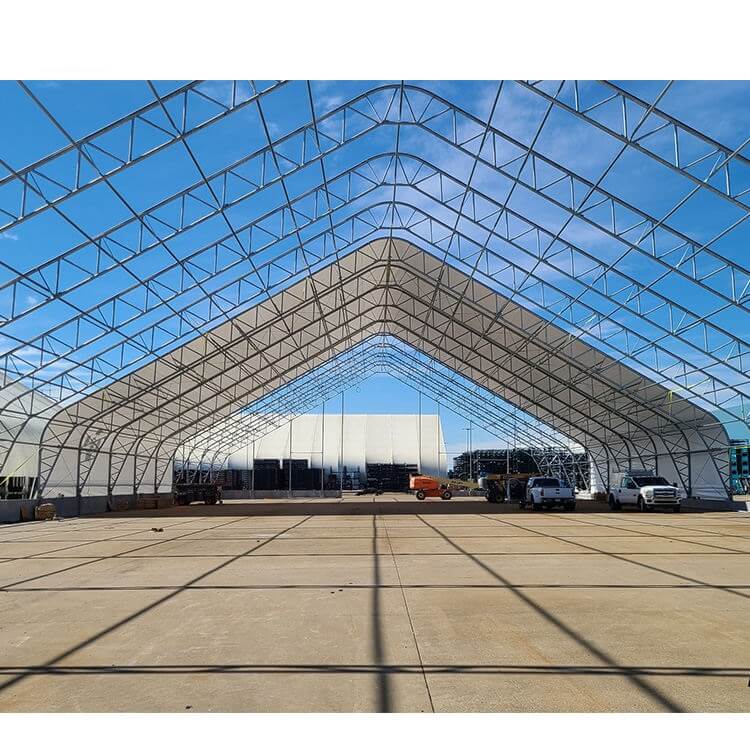
The first physical step is laying out and assembling the steel frame. The steel frame provides the structural backbone that supports the membrane and transfers loads to the containers or foundation.
Layout and Positioning:
- Using stakes, strings, and measuring instruments, mark the exact perimeter and location of each container or footing.
- Verify that the marked positions match the design drawings. Any deviation at this stage will propagate through the entire installation.
- For multi-container shelters, ensure that containers are aligned both horizontally and vertically.
Assembly:
- Erect the steel columns or vertical supports, ensuring they are plumb (perfectly vertical) using a spirit level.
- Install the rafters or roof beams, connecting them to the columns using bolts and nuts. Tighten connections to the specified torque values—do not over‑tighten.
- Install purlins and cross-bracing to provide lateral stability and to create attachment points for the membrane.
- For shelters that use container mounting brackets, ensure that brackets are securely fastened to the container corner castings.
Bracing and Stabilization:
- Install diagonal braces and wind bracing as specified in the engineering design. These elements prevent the frame from racking (leaning) under wind loads.
- Temporary guying or support may be needed during assembly, particularly for larger spans, until the full frame is self-supporting.
Inspection:
- Perform a thorough inspection of the steel frame. Check all connections for tightness. Verify that column bases are level and that the frame geometry matches the design dimensions.
- Any discrepancies must be corrected before proceeding to membrane installation.
Step 2: Membrane Preparation and Handling
Membrane panels are typically fabricated, cut, and heat-sealed at the factory, then folded, packaged, and labeled for shipment to the installation site.
Unpacking and Inspection:
- Upon arrival at the site, carefully unpack each membrane panel. Check packaging labels to verify panel identification and orientation.
- Inspect each panel for any defects incurred during transport, such as cuts, punctures, or abrasions.
- Lay the membrane panels on a clean, soft surface (such as a protective tarp) to prevent contamination or damage.
Positioning and Unfolding:
- Determine the correct order for installing membrane panels according to the installation drawings.
- Unfold each panel in the predetermined sequence. Avoid dragging the membrane across rough surfaces or sharp edges. Minimize unnecessary movement of unfolded panels across the site.
- For large or heavy membrane panels, use multiple workers to handle the panel evenly and prevent stress concentrations.
Step 3: Membrane Attachment and Tensioning
This is the most critical phase of the installation. The membrane must be attached to the steel frame in a way that allows controlled application of pre‑tension, ensuring a smooth, wrinkle‑free surface that can withstand wind and snow loads.
Attachment Strategy:
- Most membrane structures use a combination of fixed edges (where the membrane is permanently clamped or bolted) and tensioning edges (where force is applied to stretch the membrane).
- Begin by securing the membrane at designated anchor points along the perimeter of the frame. Use the specified fasteners—typically aluminum or stainless steel clamps, bolts, or lacing systems.
- Pay close attention to corners and edges, ensuring that the membrane is properly aligned and that no gaps exist where water could penetrate.
Gradual Tensioning:
- Do not attempt to tension the entire membrane at once. Instead, apply pre‑tension step by step through concentrated force points, gradually stretching the membrane surface across the frame.
- Start at the center of the structure and work outward, or follow the specific tensioning sequence recommended by the manufacturer.
- Use tensioning devices such as turnbuckles, ratchet straps, or hydraulic jacks to apply controlled force. For larger structures, load cells may be used to measure the tension achieved.
- The goal is to create a smooth, taut surface without wrinkles, ripples, or excessive sagging. Over‑tensioning can overstress the membrane material and the frame; under‑tensioning leads to flapping, water pooling, and premature fatigue.
Sealing and Finishing:
- Once the membrane is fully tensioned and attached, apply seam sealant or cover strips to all joints, seams, and penetration points. This ensures a watertight seal and prevents moisture ingress.
- Install any edge trim, fascia covers, or decorative elements as specified in the design.
Step 4: Final Inspection and Quality Control
A rigorous final inspection ensures that the storage container shelter meets all safety and performance requirements.
Structural Inspection:
- Re-check all steel frame connections for tightness. Ensure that bracing is correctly installed and that no components are loose.
- Verify that the membrane is evenly tensioned with no visible wrinkles, tears, or excessive sag.
- Check that all fasteners are secure and that no sharp edges or protruding hardware could damage the membrane or pose a safety hazard.
Weatherproofing Test:
- Where practical, perform a water test using a hose to simulate rainfall. Check for leaks at seams, joints, and attachment points.
- For cold‑climate installations, verify that the shelter can accommodate snow accumulation without sagging or tearing.
Documentation:
- Record final tension measurements, inspection findings, and any corrective actions taken.
- Provide the client with a maintenance manual outlining recommended inspection intervals, cleaning procedures, and warranty information.
Common Installation Mistakes to Avoid
Drawing on field experience, the following mistakes are among the most frequently encountered during storage container shelter installations:
- Insufficient Container Leveling: Uneven containers lead to frame misalignment, resulting in improper membrane tension and reduced structural stability.
- Skipping Pre-Tension Sequencing: Applying tension to one area before others are secured creates uneven stress distribution and wrinkles.
- Using the Wrong Fasteners: Non‑specified fasteners may corrode, loosen, or damage the membrane edge.
- Ignoring Wind Bracing: The steel frame may feel stable during assembly but can rack or collapse under wind load if bracing is omitted.
- Rushing Membrane Unfolding: Dragging the membrane across the ground can cause invisible micro‑tears that grow under tension.
- Over‑Tensioning the Membrane: This common error exceeds the material’s elastic limit and can cause tearing or premature failure.
Installation Timeline and Site Requirements
A typical storage container shelter can be installed in 2 to 5 working days, depending on shelter size, site conditions, and crew experience. No concrete foundations are required when the shelter attaches to existing shipping containers, which significantly accelerates deployment compared to traditional building construction.
Installation should be scheduled during dry, calm weather whenever possible. High winds can make membrane handling dangerous, and rain can compromise sealant application.
Why Guangdong Zhongke Membrane Structure Co., Ltd. Excels in Installation
Guangdong Zhongke Membrane Structure Co., Ltd. brings over 15 years of specialized experience to every storage container shelter project. The company operates from a 2,000+ square meter fabrication facility and employs more than 200 staff members, including 37 professional engineers dedicated to design, production, and installation.
Zhongke’s installation process is underpinned by systematic management and rigorous quality control:
- Precision Engineering: All steel frames and membrane panels are designed using STAAD, 3D3S, and other structural analysis software. Each component is fabricated to exact tolerances before leaving the factory.
- Professional Crews: Installation teams are experienced, trained, and equipped with proper safety gear and lifting equipment.
- Comprehensive Testing: Zhongke uses German‑imported TDD90011 microwave inspection equipment to verify membrane quality both before fabrication and after installation.
- Overseas Capability: Zhongke has successfully delivered membrane structure projects across Southeast Asia, the Middle East, Europe, and the Americas, demonstrating the ability to manage logistics and installation in diverse international environments.
- After-Sales Support: Every Zhongke installation includes a 24‑month warranty and lifelong maintenance service, with 28 service centers covering over 300 cities in China and responsive support available for international clients.
Partner with Guangdong Zhongke for Your Storage Container Shelter Needs
Storage container shelters offer an intelligent, cost-effective solution for protecting equipment, materials, and workspaces from the elements. But the success of your shelter depends on two non-negotiable factors: the quality of the membrane material you choose and the precision of the installation process.
For businesses seeking a long-term, low-maintenance solution, PVDF membrane fabric is the superior choice—offering 15–25 years of service life, outstanding self‑cleaning properties, and excellent fire performance. For short-term or budget‑sensitive applications, PVC membrane fabric provides reliable protection at a lower upfront cost.
Whichever material you select, proper installation is essential. From site preparation and steel frame assembly to membrane tensioning and final inspection, each step must be executed with care and technical expertise.
That is where Guangdong Zhongke Membrane Structure Co., Ltd. stands apart. With over 15 years of industry experience, a state‑of‑the‑art fabrication facility, a team of 200+ dedicated professionals, and a track record of successful projects worldwide, Zhongke delivers complete turnkey solutions for storage container shelters. The company handles everything from initial design and material selection to fabrication, installation, and after‑sales support.
Contact Guangdong Zhongke Membrane Structure Co., Ltd. today to discuss your storage container shelter project. Whether you need a compact shelter for a construction site or a large-span structure for a logistics yard, Zhongke has the expertise and capability to deliver a solution that will stand the test of time.