Design Services


Air-Supported Sports Complex: Creating a New, All-Weather, Multi-Functional Athletic Environment.
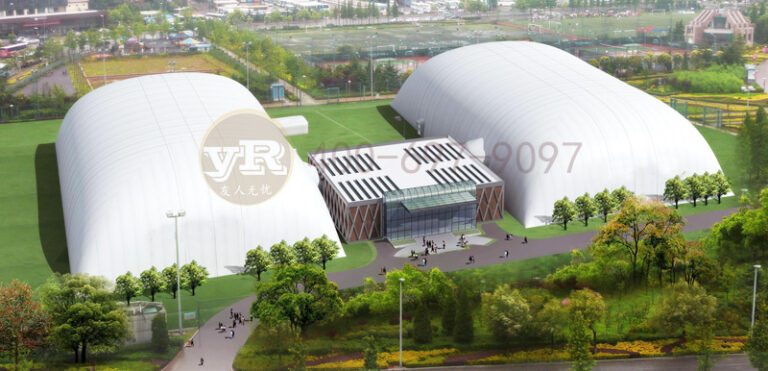
Air-supported sports complexes represent a new generation of athletic facility solutions. Featuring expansive, column-free interiors and a rapid construction timeline, these facilities offer a climate-controlled, oxygen-rich environment unaffected by weather. Capable of hosting a wide variety of sports, they serve as an excellent choice for promoting fitness within schools, residential communities, and business parks.

What is an air-supported sports complex? A new paradigm for athletic facilities.
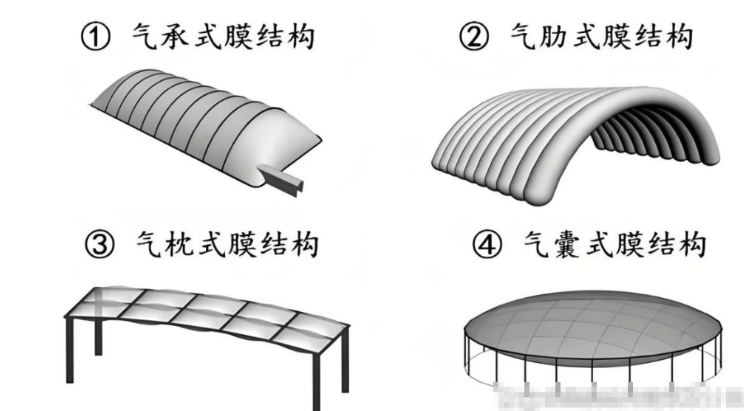
When first encountering air-supported sports complexes, many people are curious about how they are built. These facilities utilize an air-supported membrane structure; the membrane is held in shape by stable internal air pressure. This eliminates the need for heavy concrete frames or numerous steel columns, fundamentally departing from traditional construction methods.
The primary membrane material is manufactured and processed to standardized specifications in a factory. Once transported to the site, it is assembled, anchored, and inflated. The overall structure is exceptionally lightweight, placing minimal demands on the foundation.
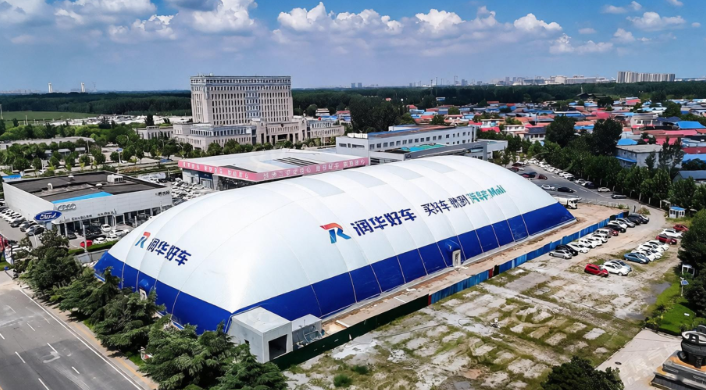
Unlike traditional brick-and-mortar or steel-frame sports facilities, air-supported complexes feature a sleek, minimalist exterior with a highly recognizable domed profile. Furthermore, the membrane material itself offers multiple functional benefits, including light transmission, flame retardancy, and self-cleaning properties.
In terms of structural mechanics, the system comprises several integrated modules—the membrane envelope, a fan-based pressurization system, an intelligent control system, a fresh-air purification system, and safety systems for access control and pressure relief—all working in tandem to ensure the facility’s long-term, stable operation.
Today, air-supported sports complexes are no longer limited to temporary use. Many permanent structures have been established on school campuses, in cultural and sports parks, and at commercial athletic centers, serving as a vital solution for addressing the shortage of public sports facilities.
Expansive, column-free interiors: Enabling multi-purpose use.
The primary competitive advantage of an air-supported sports complex lies in its spatial design. Thanks to the air-supported domed structure, the interior offers a large, column-free span. This creates an open, unobstructed environment, ensuring that no structural columns interfere with movement paths or fragment the playing area. Within a single air-supported multi-sport complex, the space can be flexibly partitioned to accommodate basketball, badminton, volleyball, and tennis courts, with additional areas designated for table tennis, physical conditioning, and roller skating.
The layout can be adjusted on demand: the facility might host youth basketball training in the morning, open up for recreational badminton in the afternoon, and accommodate school leagues, corporate sports events, or cultural and athletic performances in the evening. This multi-functional utility significantly maximizes the efficiency of the space.
For schools, an air-supported sports complex can simultaneously serve physical education classes, varsity team training, campus tournaments, and after-school athletic programs. For communities and cultural-tourism projects, it provides a venue for public fitness activities and grassroots sports events.
This high degree of spatial flexibility allows air-supported sports facilities to adapt to diverse needs, effectively overcoming the limitations of traditional venues, which often suffer from rigid, hard-to-modify layouts.
Equipped with an intelligent, climate-controlled, and oxygen-regulated environment system, these air-supported sports complexes ensure that exercise remains unhindered by weather conditions.
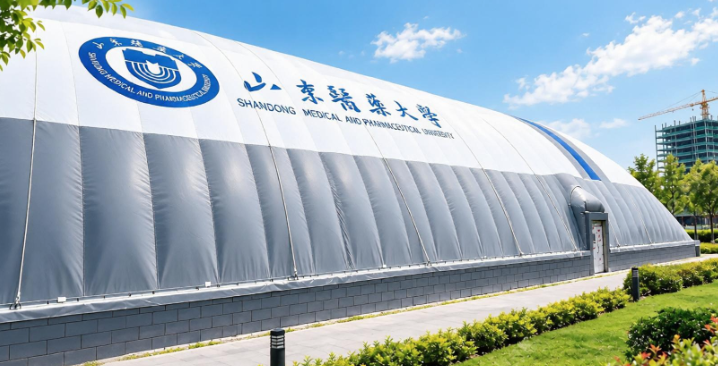
Outdoor sports venues and open-air courts are frequently compromised by extreme heat, heavy rain, high winds, smog, dust, or freezing cold. In contrast, air-supported sports complexes utilize an enclosed structure combined with an intelligent fresh-air and climate-control system to create an indoor environment shielded from external weather.
These complexes are outfitted with comprehensive fresh-air purification systems that continuously supply the interior with fresh air, maintaining stable oxygen levels while filtering out dust and particulate matter. Integrated temperature and humidity control modules ensure a comfortable environment throughout the year.
In summer, the structure blocks out external heatwaves, keeping the interior cool and well-ventilated; in winter, it retains warmth and protects users from harsh, direct winds.
The membrane material, paired with a professional anti-glare lighting system, provides soft, uniform illumination—eliminating harsh, blinding light and making the space ideal for extended exercise sessions and professional training. Furthermore, the interior is designed with noise-reduction features to dampen sounds from ventilation fans and the impact of sports activities, fostering a quiet and comfortable fitness atmosphere. Whether during the sweltering heat of midsummer or the freezing, snowy, or rainy conditions of winter, air-supported sports complexes remain open to the public, providing a consistent and reliable space for athletic activities and significantly extending the facility’s annual operational duration.
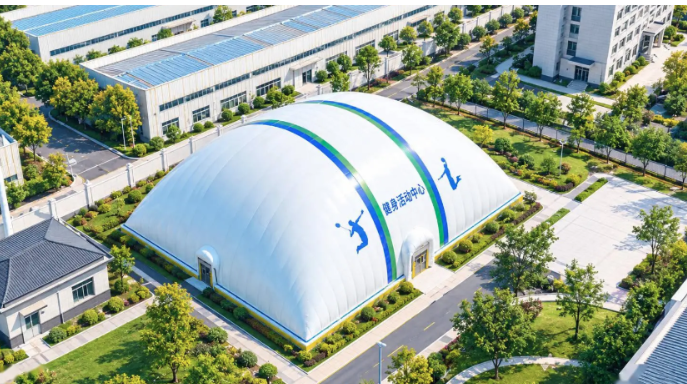
With a short construction cycle and controllable overall costs, air-supported sports complexes offer superior efficiency in project delivery.
Compared to the lengthy design, civil engineering, and steel-structure construction processes required for traditional sports facilities, air-supported complexes offer a distinct advantage in terms of speed. The membrane structure is prefabricated, allowing foundation work and membrane fabrication to proceed simultaneously. On-site assembly minimizes the number of construction steps and ensures that progress is not significantly delayed by adverse weather.
For a facility of the same scale, the construction period for an air-supported sports complex is often only one-third—or even less—of that required for a traditional venue, enabling the rapid expansion of available sports facilities.
In terms of cost, the lightweight nature of air-supported structures reduces the requirements for foundations and eliminates the need for large quantities of steel and concrete, resulting in a more accessible initial investment. For regions facing challenges such as limited land for sports facilities, constrained public budgets, or an urgent need for new athletic spaces, air-supported sports complexes provide a highly cost-effective solution.
Furthermore, these structures are designed to be demountable and relocatable. Should site planning change in the future, an air-supported complex can be dismantled, transported, and re-inflated at a new location. The membrane and auxiliary equipment can be reused, minimizing resource waste and aligning with green, low-carbon construction principles.
During daily operation, the integrated intelligent system allows for controlled energy consumption, resulting in lower long-term electricity and maintenance costs compared to traditional large-scale indoor sports facilities.
Equipped with multiple safety features, air-supported sports complexes are secure, stable, and easy to maintain.
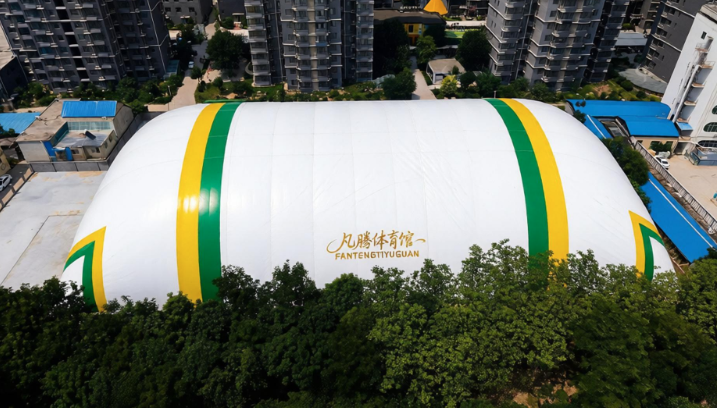
When selecting a facility type, many project owners prioritize safety. Professional air-supported sports complexes incorporate a comprehensive safety design system. The membrane material used is specifically engineered for construction—offering flame retardancy, tear resistance, and durability against aging—while the structures themselves meet national building codes for wind and seismic resistance. The facility is equipped with a primary fan system supported by multiple backup units. In the event of a fan failure, a backup unit activates automatically to maintain stable internal air pressure. Additionally, the structure features emergency pressure-relief mechanisms and pressure-monitoring sensors that provide real-time oversight; should the internal pressure exceed safe limits, the system automatically releases pressure to eliminate potential hazards.
The venue is outfitted with emergency evacuation doors and clear escape signage, supported by well-established emergency response protocols for scenarios such as power outages or equipment malfunctions.
The entire air-supported sports complex is managed via an intelligent central control platform. Administrators can monitor air pressure, fresh air volume, temperature, humidity, and equipment status in real time through a central dashboard. The system automatically triggers alerts for any equipment irregularities, eliminating the need for extensive on-site staffing.
The surface of the membrane material features a self-cleaning coating; rainwater effectively washes away most accumulated dust, making maintenance simple and reducing the long-term operational burden.
Versatile Applications: Air-Supported Sports Complexes Foster “Fitness for All”
Air-supported sports complexes are highly versatile and suitable for an ever-expanding range of applications. In primary, secondary, and higher education institutions, they provide essential indoor sports space, ensuring that physical education classes can continue even during inclement weather. In urban communities and cultural/sports centers, they serve as accessible fitness hubs, contributing to the development of “15-minute fitness circles.” Within sports industrial parks and commercial sports complexes, they can be opened to the public for fitness enthusiasts and training organizations. Furthermore, they can function as backup venues for sporting events, training bases, or facilities for winter sports.
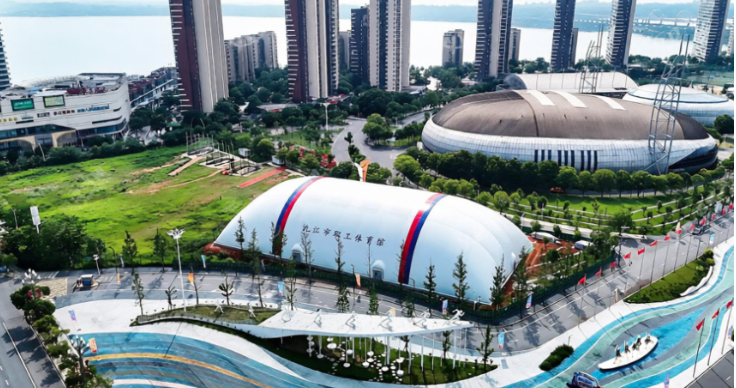
As policies promoting “fitness for all” continue to gain momentum, regions across the country are accelerating the construction of public sports facilities—often while facing challenges such as land scarcity, limited budgets, and tight project timelines. Offering a blend of practicality, cost-effectiveness, and flexibility, air-supported sports complexes have become a popular choice for sports infrastructure development.
By overcoming weather-related limitations, air-supported sports complexes unleash athletic potential, allowing more people to enjoy high-quality indoor sports spaces close to home. From campus sports facilities to public urban fitness venues, air-supported sports complexes are transforming the construction model for athletic facilities. Their key advantages—including large-span interior space, a climate-controlled, all-weather environment, rapid deployment, cost-effectiveness, and ease of maintenance—make them an ideal solution.
Capable of accommodating a wide range of needs—from general public fitness and professional training to hosting sports events—air-supported sports facilities offer a lightweight architectural approach to meeting the demand for nationwide physical activity. They represent a highly promising option within the new infrastructure for sports.
If you are interested in air-supported sports facilities or have a specific project in mind, please feel free to send us a direct message. Zhongke Membrane Structure looks forward to the possibility of connecting and collaborating with you.