Design Services
Innovative Uses of Tensile Membrane Structures Today
With their unique forms, lightweight quality, and exceptional environmental performance, tensile membrane structures have emerged as a prominent architectural typology for shaping modern spaces. This structural form not only pushes the boundaries of traditional building materials but also achieves a perfect balance between functionality and aesthetics. This article explores new applications for tensile membrane structures—ranging from landscape design and sports venues to temporary exhibition spaces and green architecture—to unlock their boundless potential.


I. Natural Integration in Landscape Design
In the realm of landscape design, the fluid lines and translucent quality of tensile membrane structures allow them to blend seamlessly into natural environments, creating spaces that are both harmonious and dynamic. In parks or urban green spaces, for instance, designers can employ these structures to create shaded pavilions or viewing platforms; they provide a place for visitors to rest without disrupting the existing natural landscape. Under sunlight, these structures cast dappled shadows, appearing as an extension of the natural world and fostering a unique sense of closeness and freedom.


II. A Lightweight Revolution in Sports Venues
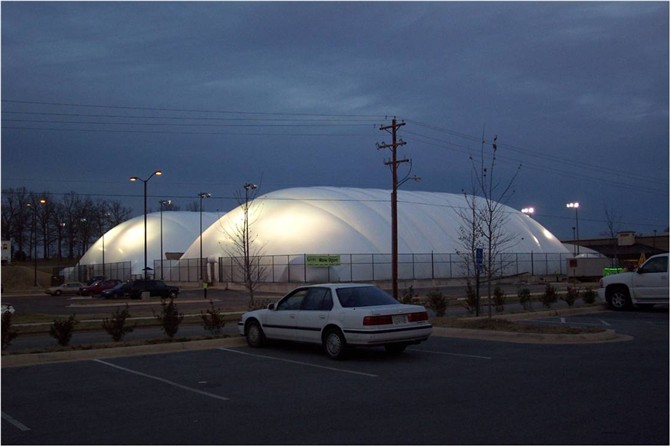
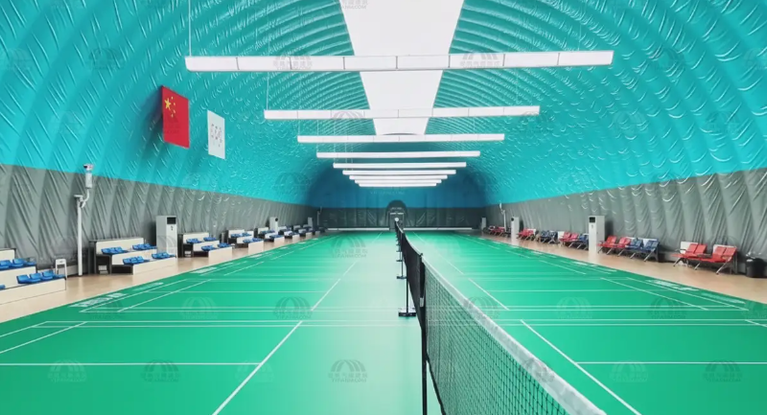
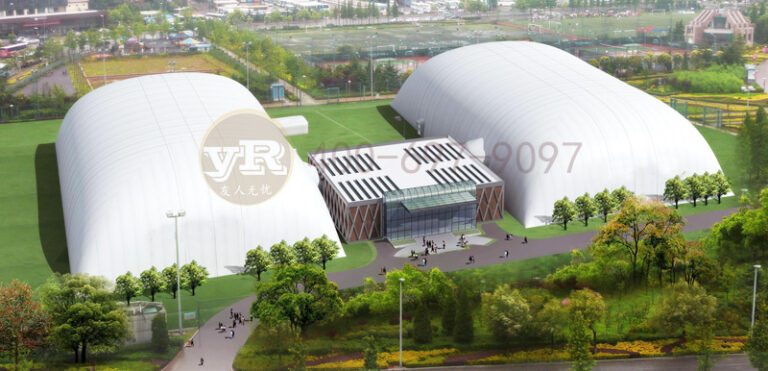
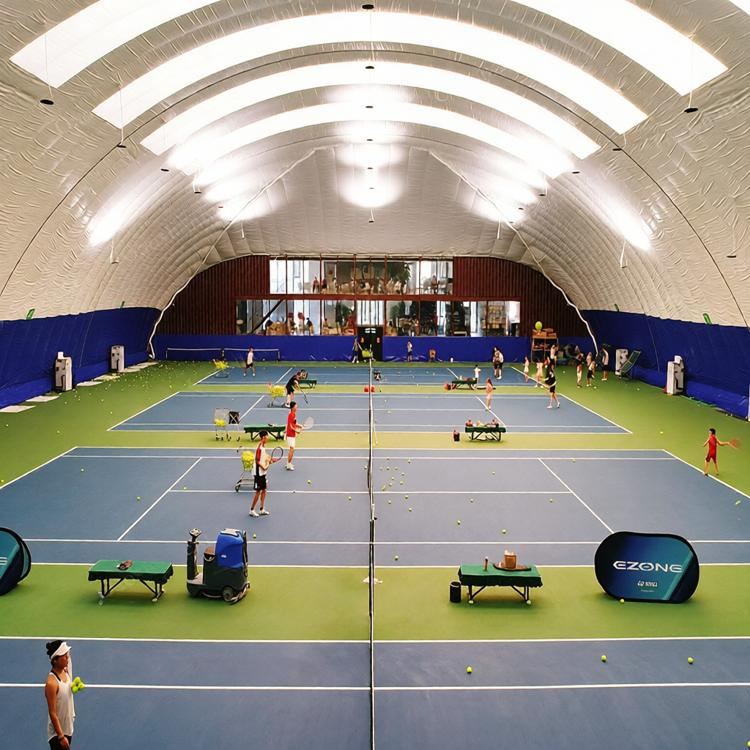
As large-scale public spaces, sports venues demand high standards for structural safety, durability, and flexibility. Tensile membrane structures—characterized by their low self-weight, long-span capabilities, and rapid construction cycles—have become a preferred choice for modern sports facility development. At major sporting events, such as the Olympic Games or the FIFA World Cup, tensile membrane structures are frequently used for roofs or grandstand shading. They not only ensure a comfortable viewing experience for spectators but also serve as a visual highlight due to their distinctive forms. Furthermore, the fact that these structures can be dismantled and reused aligns with the modern emphasis on flexibility and sustainability in sports infrastructure.


III. Creative Stages for Temporary Exhibition Spaces
For museums, art galleries, or commercial exhibition centers that frequently rotate their exhibits, tensile membrane structures offer a solution for rapidly assembling flexible, versatile temporary spaces. These structures can be custom-designed to suit specific exhibition themes and site conditions, resulting in creative display environments that perfectly align with the requirements of the exhibition. At the same time, the transparency and lightness of tensile membrane structures allow for the maximum influx of natural light, creating a bright and airy exhibition atmosphere that enhances the visitor experience.


IV. A New Chapter in Green Architecture
Against the backdrop of a global push for green architecture, tensile membrane structures stand out for their exceptional environmental performance. First, the materials used—typically high-molecular polymers—offer excellent weather resistance and self-cleaning properties, which help reduce both maintenance costs and environmental pollution. Second, these structures make highly efficient use of natural light, thereby lowering energy consumption for artificial lighting; furthermore, their superior ventilation capabilities assist in regulating indoor temperatures, which in turn reduces the energy required for air conditioning. Additionally, tensile membrane structures provide effective sound insulation, ensuring a quiet and comfortable environment for occupants. Consequently, within the realm of green architecture, tensile membrane structures are increasingly becoming a key instrument for achieving energy conservation, emissions reduction, and sustainable development.

V. Future Outlook: Technological Innovation and Cross-Disciplinary Integration
As technology advances and design innovation flourishes, the range of applications for tensile membrane structures will continue to expand. On one hand, the emergence of new materials and technologies will unlock further potential; for instance, the integration of smart, responsive materials could allow these structures to automatically adjust their light transmission and temperature in reaction to environmental changes, thereby enhancing their functional performance. On the other hand, tensile membrane structures will increasingly intersect with other fields—such as digital art and virtual reality—to create richer, more diverse spatial experiences.

In summary, with their unique appeal and broad application prospects, tensile membrane structures have become a significant force in modern architecture and design. As technology continues to evolve and design approaches keep innovating, it is reasonable to believe that tensile membrane structures will unlock even more new applications in the future, bringing further surprises and possibilities to our living spaces.