Design Services
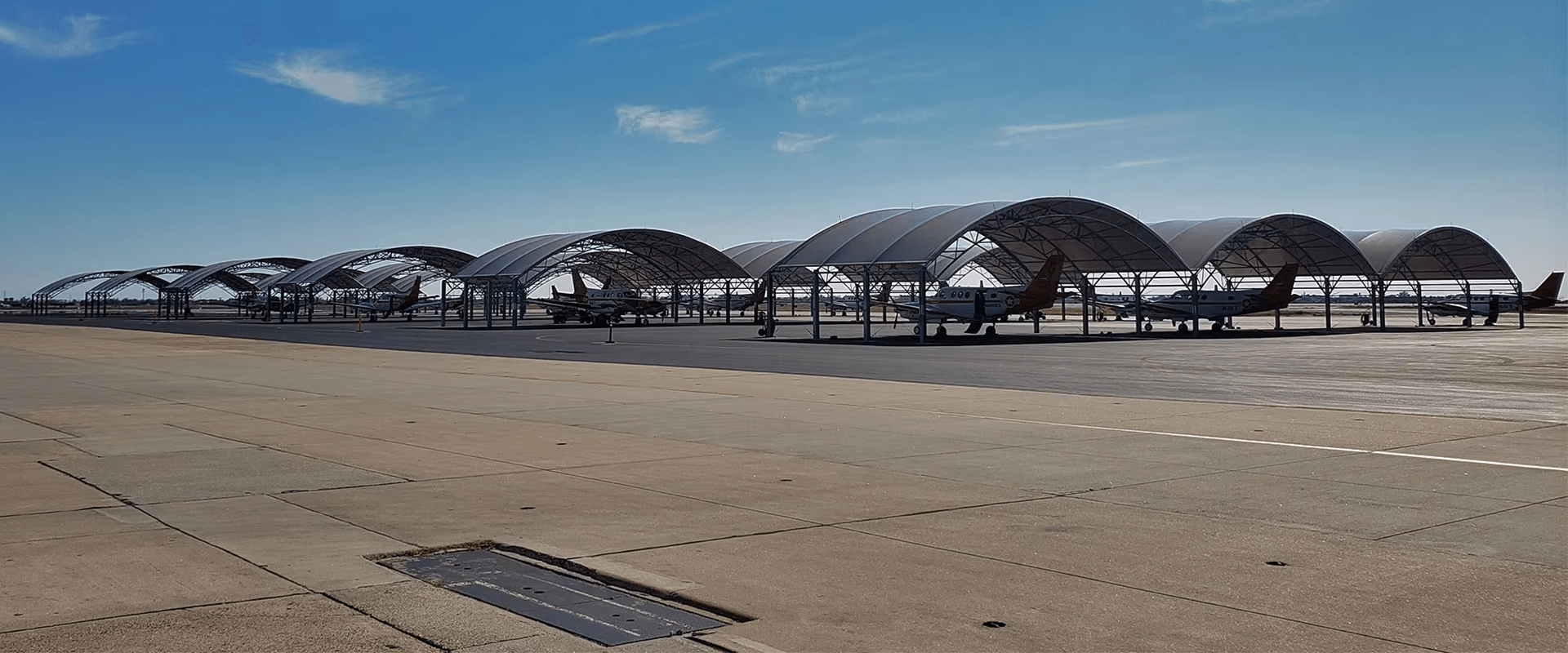
Anti-Corrosion HDPE Mesh Systems for High-Salt Coasts
In coastal cities, waterfront parks, and along riverside walkways, structures are constantly exposed to corrosive environments characterized by high humidity and the presence of chloride ions. Standard shading systems in these locations often fail prematurely—typically within two to three years—due to the rusting of hardware and damage to the edges of the membrane material.

While HDPE (high-density polyethylene) mesh membranes are inherently resistant to acids, alkalis, and salt spray, achieving a long service life requires an integrated, anti-corrosive design that encompasses the membrane, the steel structure, and all fasteners. A high-quality fabric alone is insufficient to withstand the harsh conditions of a coastal environment.

HDPE is chemically stable; it is immune to corrosion from moisture and chloride ions, and it does not suffer from coating delamination or material embrittlement. Unlike PVC-coated tarpaulins, HDPE is highly resistant to aging and degradation when exposed to chlorinated water vapor (such as that found near swimming pools) or coastal salt spray. Its smooth, woven surface resists the accumulation of salt crystals; rainwater effectively washes away any salt deposits, preventing them from penetrating and eroding the gaps between the fibers.

The most vulnerable points in any such system are the metal components and the steel framework. Standard 304-grade stainless steel—commonly used inland—is prone to pitting and rust in coastal environments. Rust-stained water can seep into the edges of the membrane, while corroded metal parts may rub against and cut into the mesh fibers.

For coastal projects, it is essential to upgrade to highly corrosion-resistant stainless steel fasteners. Steel structures should be protected with a dual-layer system: thick hot-dip galvanizing topped with an anti-corrosive finish. Furthermore, all edges of metal components must be rounded and polished to eliminate the risk of abrasion damage to the membrane.

The tensioning process is also well-suited for the high-wind, salt-laden conditions of coastal areas. Proper pre-tensioning prevents the membrane from flapping or vibrating excessively during high winds, thereby reducing fiber fatigue and wear. Additionally, the edges and corners of the membrane should be reinforced with wider webbing to distribute wind-induced tensile loads, preventing the material from tearing at attachment points during strong coastal gusts.

Performing simple inspections, tightening fasteners, and removing accumulated sea salt from surfaces—carried out annually after the rainy and typhoon seasons—can significantly extend the service life of an entire shading system. In many coastal projects, while high-end mesh membrane materials are used, the hardware and steel structures are often standard, inland-grade components; this leads to rapid corrosion and damage, drastically shortening the system’s operational lifespan.

A waterfront shading project requires a comprehensive anti-corrosion system. By utilizing a corrosion-resistant HDPE mesh membrane in combination with specialized anti-corrosive metal components and appropriate tensioning techniques, the system can deliver stable, long-term performance in high-salinity, salt-mist environments—ultimately reducing the total cost of ownership by minimizing the need for frequent replacements.