Design Services
Seaside Pier Leisure Spaces: Tensile Membrane Case
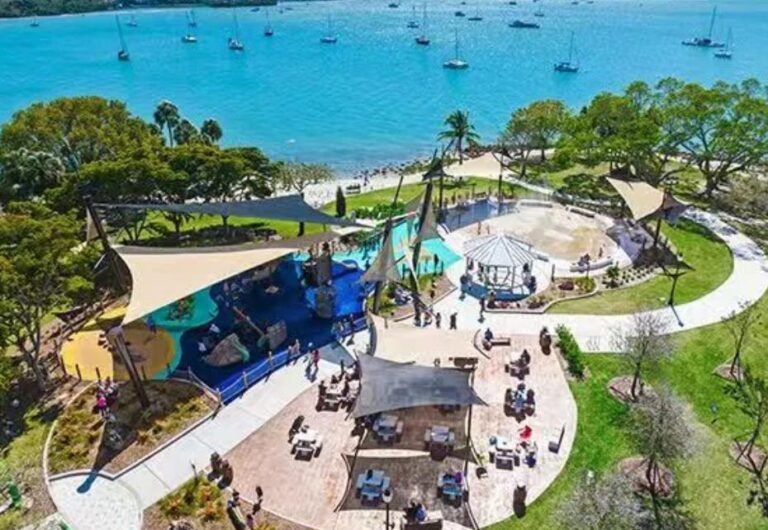
On the pier platform along the coastline, a series of modular tensioned membrane units unfold, resembling white sails moored at the shore. They exist in harmony with the vast expanse of the sea, the distant mountains, and the urban skyline. This coastal tensioned membrane project is more than a simple shading structure; it represents an integration of structural engineering, material science, and coastal landscape design. Through its light, curvilinear forms, it creates an airy, open space for rest and leisure amidst the sea breeze and salt spray.

The project utilizes a modular assembly of triangular tensioned membrane units, supported by independent columns and diagonal steel struts. This configuration divides the platform into a continuous, semi-open space. Unlike the enclosed feeling of a monolithic canopy, this distributed layout preserves unobstructed views toward the sea from every direction. Beneath the membranes, the sea breeze flows freely; looking past the platform railings, one can gaze out at vessels on the water and the silhouette of the town across the bay. Sunlight, filtered through the membrane material, is softly diffused—tempering the harsh, intense glare of the coastal sun—and casts shifting, dappled patterns across the ground. This creates a comfortable environment for various activities, including leisure, waiting, and casual dining.

The coastal environment poses the ultimate challenge for such a tensioned structure. Constant exposure to salt spray, frequent turbulent wind gusts, and intense ultraviolet radiation create complex conditions rarely encountered in inland membrane projects. From the outset, the design was governed by coastal wind loads; the form-finding process for each triangular membrane unit carefully addressed both wind resistance and drainage. The high and low points of the membrane surfaces are strategically arranged to ensure effective drainage, preventing the pooling of rainwater or the accumulation and crystallization of sea salt. Furthermore, the curvilinear geometry helps channel incoming sea breezes, reducing the impact of wind suction and pressure on the membranes and their connection points, while also minimizing material fatigue caused by fluttering.

The support system utilizes reinforced, anti-corrosive steel structures, with all surfaces treated with a marine-grade, corrosion-resistant coating. Every cable fitting, clamping plate, and fastener complies with stringent coastal anti-corrosion standards, effectively preventing galvanic corrosion—a risk that arises when dissimilar metals come into contact. The membrane material—a PVDF architectural fabric—features self-cleaning properties and UV resistance. Its pristine white surface resists the accumulation of sea salt and dust; rainwater washes it clean, ensuring a fresh, long-lasting appearance and reducing the maintenance burden in a coastal environment. Each connection node has undergone precise structural analysis, with pre-tension levels strictly maintained within an optimal range—avoiding excessive tension, which could make the structure vulnerable to thermal stress, and insufficient tension, which could lead to wrinkling or water pooling. This meticulous tensioning sequence, combined with on-site monitoring, serves as the foundation for the project’s long-term stability.

In terms of landscape expression, the array of white “sails” is arranged in a staggered, rhythmic pattern, creating a dynamic skyline. By day, the stark white membrane surfaces stand out against the blue sea and clear sky—a clean, iconic visual symbol for the coastline. At dawn or dusk, soft ambient light falls across the curved forms, lending the pier a gentle, poetic atmosphere. Eschewing heavy, solid walls, the design adopts a “light” intervention; rather than obstructing the natural vistas of mountains and sea, it acts as a foreground element that amplifies the inherent charm of the seascape—perfectly aligning with contemporary design philosophies for coastal cultural and tourism spaces, which prioritize lightweight structures and minimal environmental impact.

Many visitors, while lingering beneath these membrane structures, may become so captivated by the seascape before them that they overlook the complex engineering behind these “white sails.” Coastal tensile membrane structures represent an art of balance hidden beneath a romantic exterior: on one hand, they offer a poetic, leisurely space for the public; on the other, they represent a robust mechanical resilience, constantly enduring the challenges of sea breezes and salt spray. The beauty of the structure is woven into the landscape itself—technology serves the setting, and the architecture integrates seamlessly into the coastline. As the sea breeze sweeps through, the white sails stand quietly; the interplay between flexible tension and rigid support creates a coastal sanctuary—a place where people and nature can engage in a serene, effortless dialogue.