Design Services


Key Factors Affecting Outdoor Event Air Dome Prices
The use of air-supported structures (air domes) for outdoor events has become a growing trend, yet many remain unfamiliar with how their costs are structured. The expense of an air-supported building is influenced by various factors, and careful planning can help effectively manage the budget. This article provides a detailed breakdown of the primary cost components and offers tips for cost savings.
Structure Type Determines Base Costs
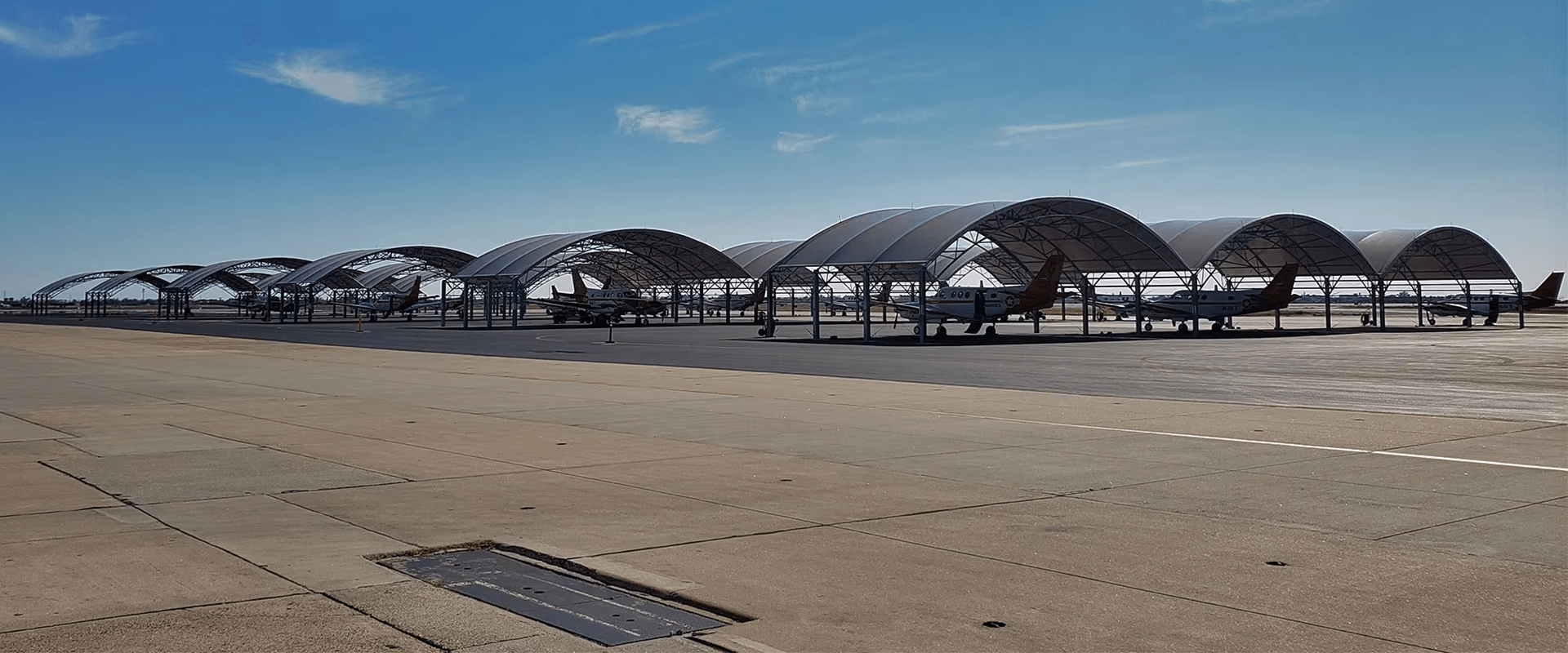
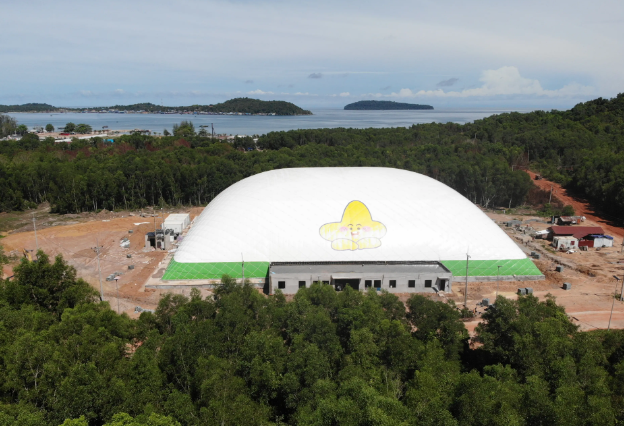
Costs vary significantly based on the type of air-supported structure: small, temporary inflatable tents (e.g., under 100㎡) typically cost between 50,000 and 100,000 RMB and are suitable for short-term events. Medium-sized, relocatable air-supported venues (300–500㎡) generally range from 150,000 to 300,000 RMB and offer basic load-bearing and thermal insulation capabilities. Large, permanent air-supported structures (over 1,000㎡) can cost between 500,000 and 2 million RMB; these are commonly used for sports facilities or industrial warehousing.
Materials and Technical Specifications
The core costs of an air-supported structure stem from the membrane material and the structural system. Imported high-strength membranes (such as PTFE) cost approximately 800–1,200 RMB per square meter, while domestic PVC membranes cost about 300–600 RMB per square meter—a price difference largely driven by service life (15–20 years for the former, versus 5–8 years for the latter). Additionally, the inflation pressure system (including blowers and control systems) accounts for 25%–35% of the total cost; opting for energy-efficient, variable-frequency blowers is recommended to reduce long-term operational expenses.
Additional Facilities and Hidden Costs
Supporting infrastructure can significantly increase the total investment. Site preparation (such as laying a concrete base) typically accounts for 10%–15% of the budget. Specialized installations—including ventilation, lighting, and fire safety systems—can add another 150,000 to 300,000 RMB. Custom features, such as detachable doors, windows, or internal partitions, may increase costs by an additional 5%–10%. It is advisable to clarify the event duration in advance; for short-term events, simplifying the interior fit-out can help minimize unnecessary expenditures.
How Can You Reduce the Cost of Air-Supported Structures?
Optimization strategies include: adopting a modular design to shorten the setup period (thereby saving on labor costs); opting for a rental model (ideal for one-off events, reducing initial investment by 80%); strategically planning the spatial layout (to minimize the amount of membrane material required); and entering into a long-term maintenance agreement with the air-supported structure manufacturer (to lower future repair costs). A case study of an outdoor music festival demonstrated that, by utilizing a rental model combined with a simplified design, the cost for a 1,000-square-meter air-supported venue could be kept under 250,000 RMB.
Overall, the cost of an air-supported structure should be evaluated based on the scale of the event, the duration of use, and specific functional requirements. It is advisable to begin planning 3–6 months in advance, compare proposals from qualified manufacturers, and pay close attention to the warranty period for the membrane material as well as the energy efficiency of the inflation fans—ensuring that the pursuit of a lower price does not lead to the selection of inferior products that result in frequent, costly repairs later on.