Design Services
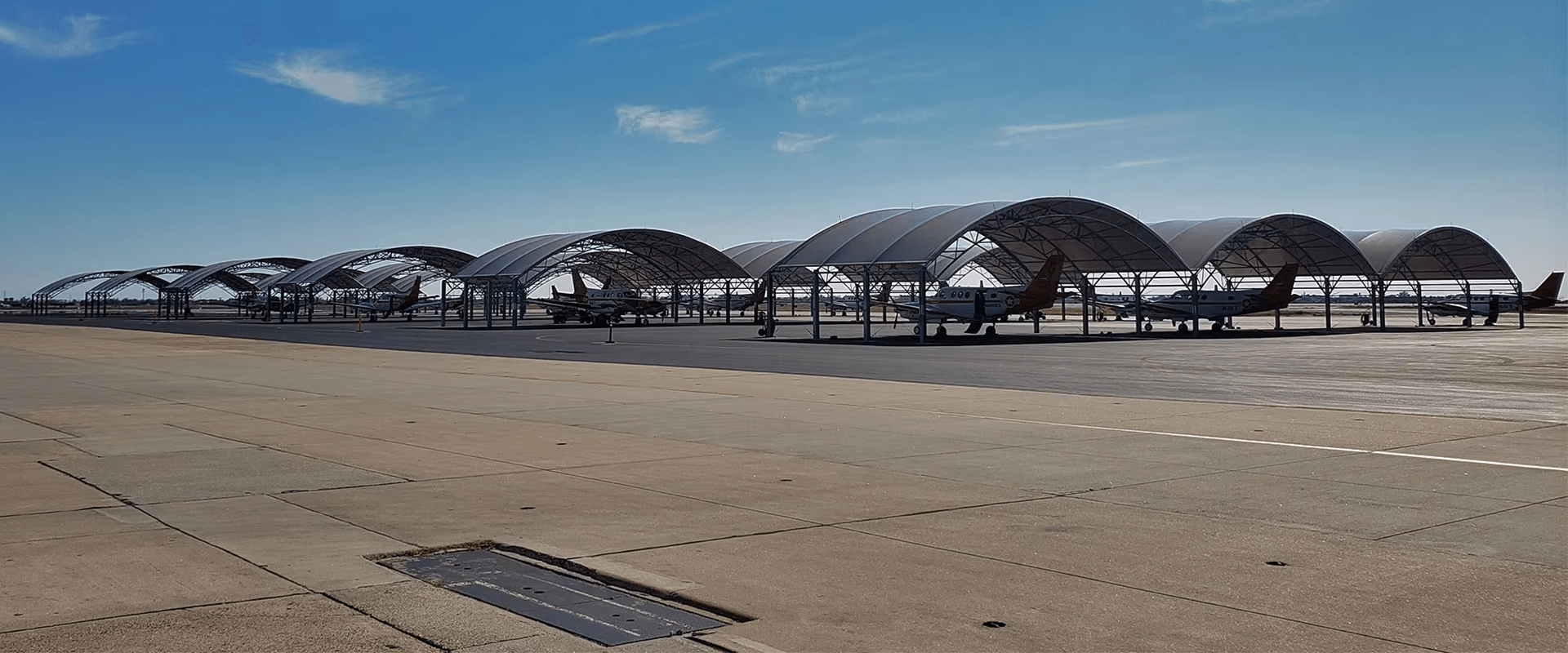
Beating Urban Heat Islands with Breathable HDPE Shade
As hard-surfaced urban paving continues to spread, open-air plazas and campus walkways often become heat sinks during the height of summer. Even when traditional solid-fabric awnings are installed, their enclosed structures tend to trap heat, creating stifling, oppressive “micro-heat islands.”

HDPE landscape mesh membranes, with their open-weave structure, offer an entirely different approach to outdoor cooling—one that genuinely enhances the comfort of public spaces as experienced by the human body.

In contrast, solid, impermeable tarps create a sealed space between the ground and the canopy. Long-wave radiation reflected from the ground cannot escape upward, causing heat to accumulate beneath the shade—resulting in an intense, sweltering sensation for those walking or lingering there.

The evenly distributed apertures in the mesh membrane create continuous channels for airflow. Heat from the ground can dissipate naturally, while external breezes pass freely through the material, constantly carrying away body heat and preventing the “steamer-like” stifling conditions common with solid covers. Fabrics with varying shading percentages allow for a precise balance between airflow and light blockage: in scorching regions, high-shading fabrics can be used to block direct sunlight, while in milder southern climates, lower-shading options can be chosen to prioritize air circulation.

The inherent physical and chemical properties of the material also aid in temperature control. Specially modified HDPE particles do not absorb significant amounts of infrared heat; consequently, the surface temperature of the membrane remains much lower than that of dark-colored, solid-coated fabrics, ensuring the structure itself does not become a source of sustained heat radiation. Through a solution-dyeing process, the color is integrated directly into the material, preventing fading or increased heat absorption from long-term sun exposure. Furthermore, light, earth-toned palettes help minimize heat retention on the membrane surface, reducing secondary thermal radiation at the source.

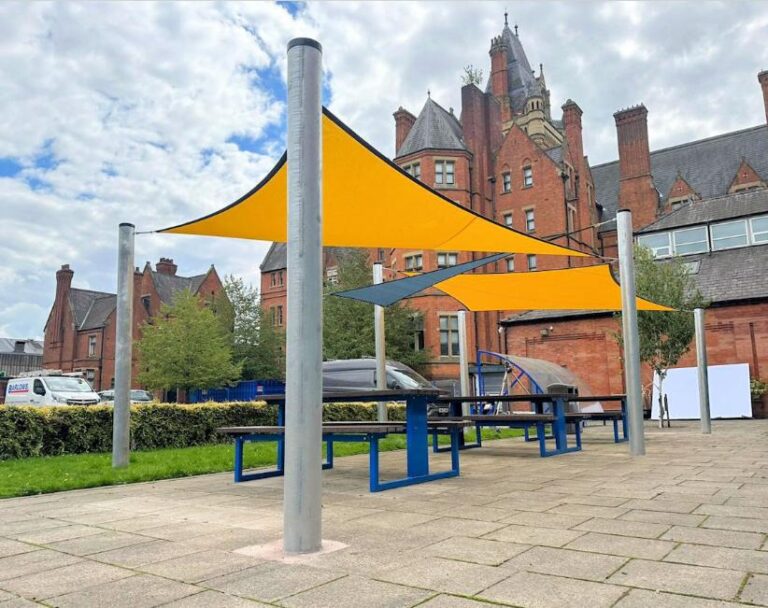
For areas with high foot traffic—such as municipal parks, campus playgrounds, or outdoor commercial seating—physical comfort is far more important than mere shade. Many shading projects focus exclusively on shading percentages while neglecting ventilation and heat dissipation, often resulting in spaces that see very little use once completed. The value of mesh membranes extends beyond merely blocking the scorching sun; they create semi-open, shaded zones with excellent natural ventilation, effectively addressing both the need for sun protection and heat dissipation.

As urban micro-renewal initiatives continue to unfold, outdoor shading has evolved from the simple addition of shelter structures into a vital tool for regulating the thermal environment of a site. With its permeable, open-work design, HDPE mesh membrane balances light exposure, airflow, and surface heat accumulation. It offers a gentle, natural way to enhance outdoor thermal comfort, transforming spaces into inviting public areas suitable for lingering throughout the year.