Design Services
How HDPE Shade Mesh Adapts from Farms to Urban Streets
For a long time, HDPE mesh shading nets were confined to agricultural settings—used for seedling cultivation in greenhouses or sun protection in orchards—serving as practical yet unremarkable utilitarian materials. In contemporary landscape design, however, these modified polyethylene woven meshes are transcending their agricultural origins. They have emerged as a low-cost, dynamically adjustable, and flexible shading skin for “gray spaces” in urban environments, offering a fresh approach to microclimate regulation in public spaces within sweltering cities.

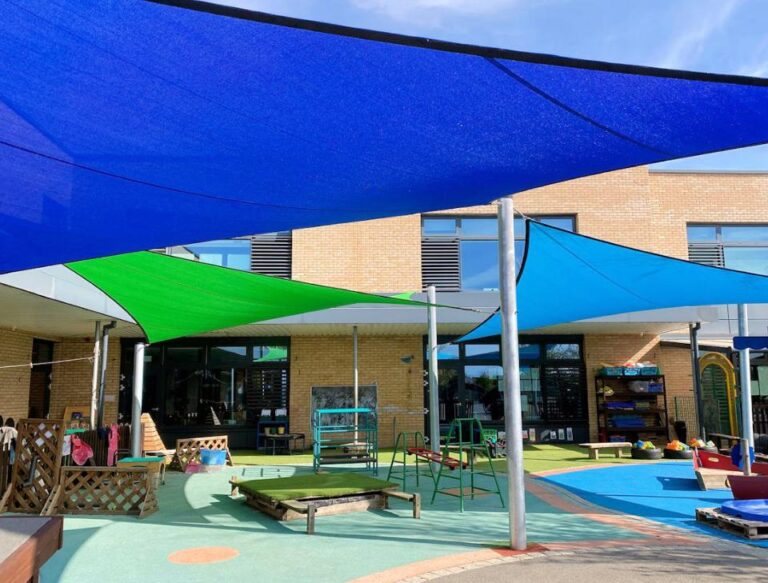
Unlike opaque, solid shading panels or tensioned membranes, the core principle of HDPE mesh shading is selective filtration rather than total exclusion. Through the gaps in its weave, the mesh allows light, wind, and rain to pass through, functioning essentially as an interface of “partial shading.” Designers can select meshes with varying shading percentages based on the thermal requirements of a specific site. A 50% shading rate—ideal for outdoor seating areas along commercial streets or pergolas in parks—filters out harsh, direct sunlight while letting in diffused natural light, allowing people beneath the shade to remain connected to the changing sky. Higher shading rates (70% or greater) are typically used for exposed pedestrian walkways or children’s play areas, where they help lower surface and air temperatures and mitigate heat accumulation on paved ground.

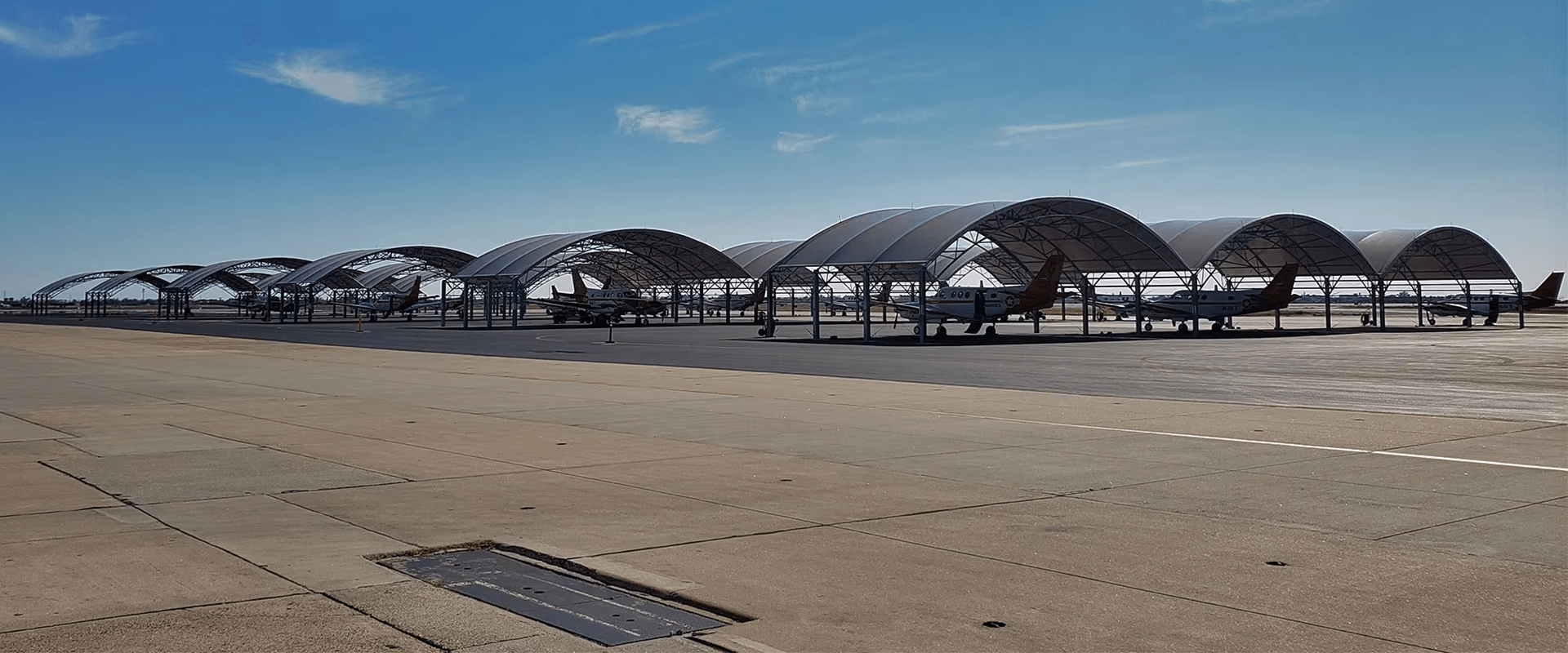
The material’s inherent flexibility makes it well-suited for fragmented urban spaces. Many urban pocket parks, roadside rest spots, and temporary markets feature irregular shapes and limited budgets, making it difficult to implement complex structures like ETFE air-cushion systems or permanent concrete pergolas. Because HDPE mesh is lightweight, it places minimal load on support systems—steel cables or simple tubular steel frames are sufficient. It can be configured as a continuous overhead canopy, arranged in overlapping or tilted segments, or even fashioned into modular, demountable “shading sails.” As seasons change or the functions of a space evolve, the mesh can be easily removed or replaced, offering a level of adaptability that is difficult to achieve with permanent, rigid roofing structures. In terms of microclimate creation, “ventilation and shading” is what distinguishes this material from other shading elements. Enclosed shading structures often trap hot air beneath the canopy, making the shaded area feel even more stifling. In contrast, HDPE mesh allows for airflow; as wind passes through the mesh, it carries away accumulated heat, creating a “dynamic” or ventilated shade. In the outdoor spaces of southern cities during the summer, this cooling, ventilating effect becomes particularly valuable—improving thermal comfort without relying on mechanical refrigeration, and aligning with the principles of passive cooling and low-carbon landscape design.

However, it is also necessary to view its limitations realistically. HDPE mesh is not waterproof and cannot serve as a rain-proof roof. Even with the addition of UV-resistant agents, it will eventually degrade after prolonged outdoor exposure, necessitating periodic inspection and replacement. Furthermore, its simple, woven texture may fall short of the highly refined visual aesthetic often required for landmark architecture. It is not a substitute for high-end membrane materials, but rather a distinct tool for microclimate management.

Today, an increasing number of designers are embracing this material, no longer shying away from its “humble” or “vernacular” origins. In waterfront corridors, community plazas, and urban rest areas, neatly tensioned HDPE mesh casts a shifting, dappled pattern of light and shadow on the ground—sunlight filtering through the weave creates a fluid play of light. Rather than aiming for the dramatic impact of an iconic architectural landmark, it focuses on addressing a fundamental urban challenge: providing pedestrians with comfortable, “breathable” shade in high-density urban environments through low-cost, flexible interfaces.

The growing popularity of HDPE mesh shading reflects a broader shift in landscape design philosophy: the creation of high-quality public space does not necessarily require expensive, permanent, or opulent materials. The ability to utilize flexible, recyclable, and low-cost elements to modulate local microclimates—while respecting the natural movement of wind and light—is, in itself, a hallmark of mature design.