Design Services
Next-Gen HDPE Shade Fabrics for Balanced Daylight & Shade
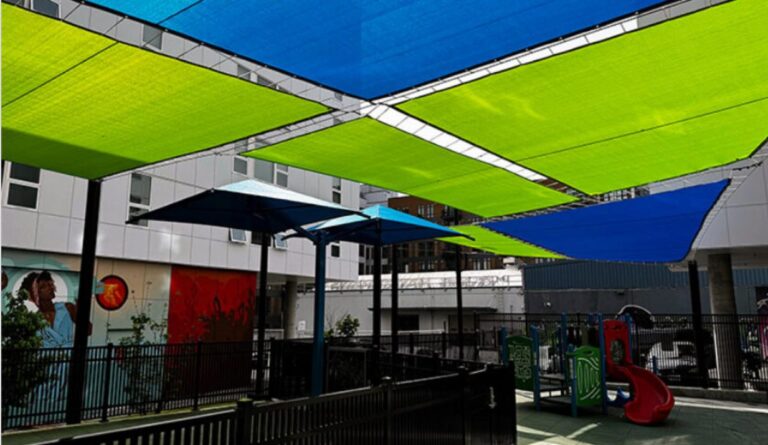
Traditional outdoor shading mesh membranes are typically manufactured using a uniform weaving process, resulting in a consistent shading rate and mesh aperture across the entire surface. While this offers ease of installation and standardized specifications, it often fails to meet the nuanced, layered light-and-shadow requirements of modern landscape environments.

Using a single, high-density fabric for total coverage can create a dim, oppressive atmosphere and deprive vegetation of necessary light; conversely, a low-density fabric may offer too much transparency, failing to provide targeted protection against intense, direct sunlight. A new generation of gradient-density HDPE mesh membranes overcomes these limitations through a variable weaving technique, allowing for precise, zone-specific control over light and shadow.

The core advantage of gradient weaving lies in its ability to create varying levels of porosity and shading across a single tensioned membrane surface. In the central areas—those most exposed to the harsh, direct midday sun—a high-density weave is employed to significantly increase UV blockage and effectively shield against intense light, creating a stable, cool shaded zone.

Along the edges of the membrane—near vegetation or building facades—a lower-density, more open weave is used. This allows ample natural light to filter through, ensuring the space remains well-lit while supporting plant growth. This customizable, gradient-density design effectively resolves the “all-or-nothing” limitation of traditional shading membranes.

In terms of spatial experience, these gradient mesh membranes produce soft, dynamic, and layered light and shadow. While uniform fabrics cast rigid, monotonous patterns that can make a space feel sterile, gradient membranes create a natural transition from dense to sparse. As the day progresses, the shifting light and shadow add depth, effectively softening the cold, stark feel often associated with rigid architectural structures.

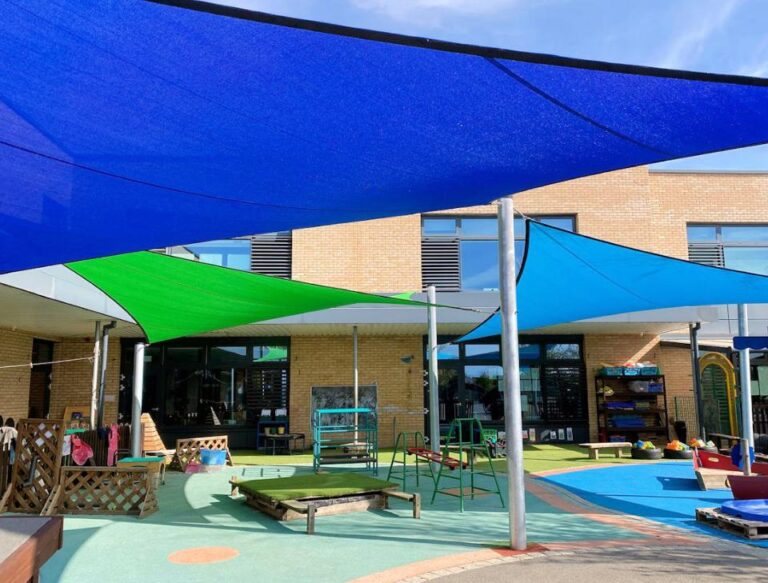
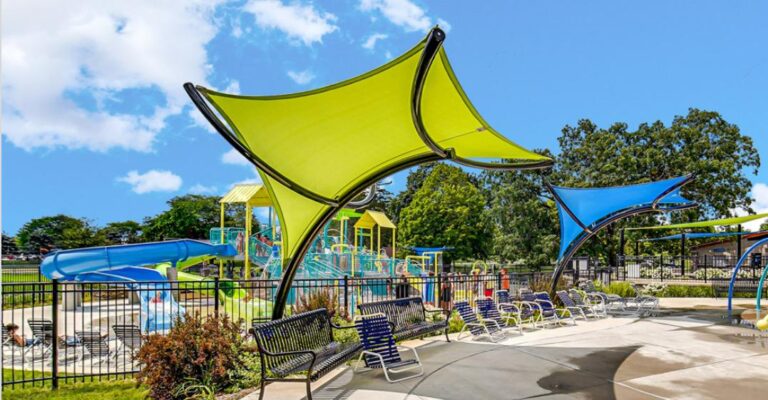
In settings such as commercial outdoor seating areas, public parks, or campus activity spaces, this gradient lighting effect softens spatial boundaries and fosters a relaxed, comfortable outdoor atmosphere, allowing the shading structure to integrate seamlessly into the landscape.

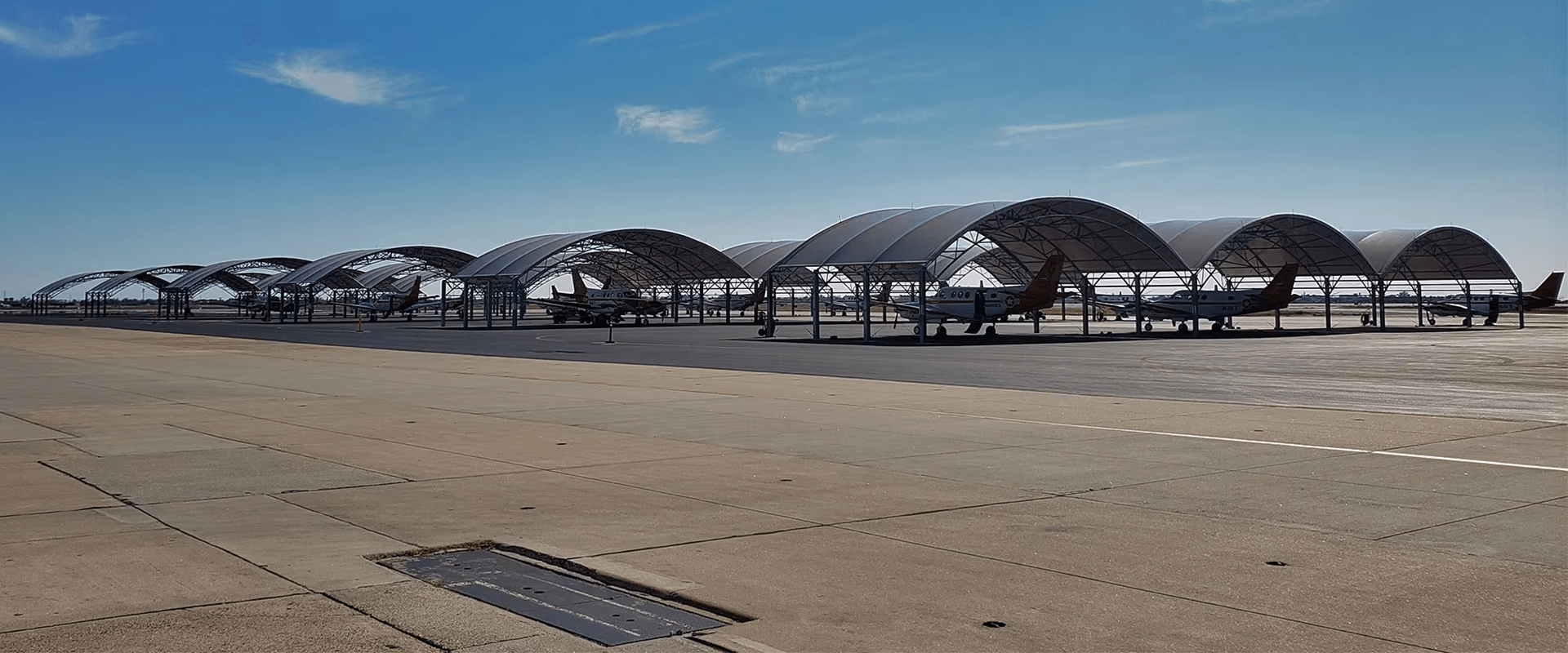
Regarding engineering adaptability, these gradient-density mesh membranes retain all the fundamental advantages inherent to HDPE materials. Crafted from virgin polymer granules and treated with comprehensive UV-resistance modifications, this material ensures consistent weatherability and anti-aging performance across areas of varying density. It eliminates issues such as localized strength degradation or susceptibility to tearing—common risks in loosely woven sections. The fabric maintains uniform and stable tension, making it compatible with standard tensioning installation techniques without the need for specialized equipment, thereby balancing bespoke design aesthetics with practical, real-world application.

Modern outdoor shading design has evolved far beyond simple, total light blockage; it now requires a nuanced equilibrium between light and shadow, ventilation, integration with greenery, and human comfort. By leveraging process innovations to optimize spatial environments, HDPE mesh membranes with gradient density transcend the rigid standardization of conventional fabrics. Through a precise, calibrated distribution of open and dense areas, they cater to the diverse requirements of specific sites, offering a fresh solution for contemporary landscape shading that is more finely attuned to the human experience.