Design Services

Applications and Advantages of Inflatable Membrane Structures in Modern Architecture
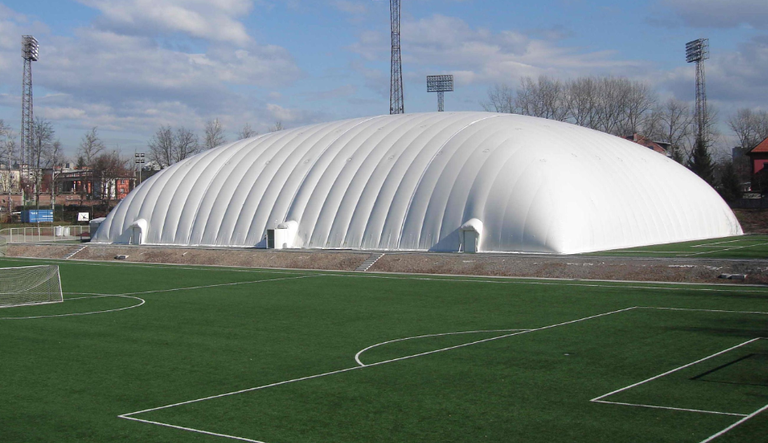
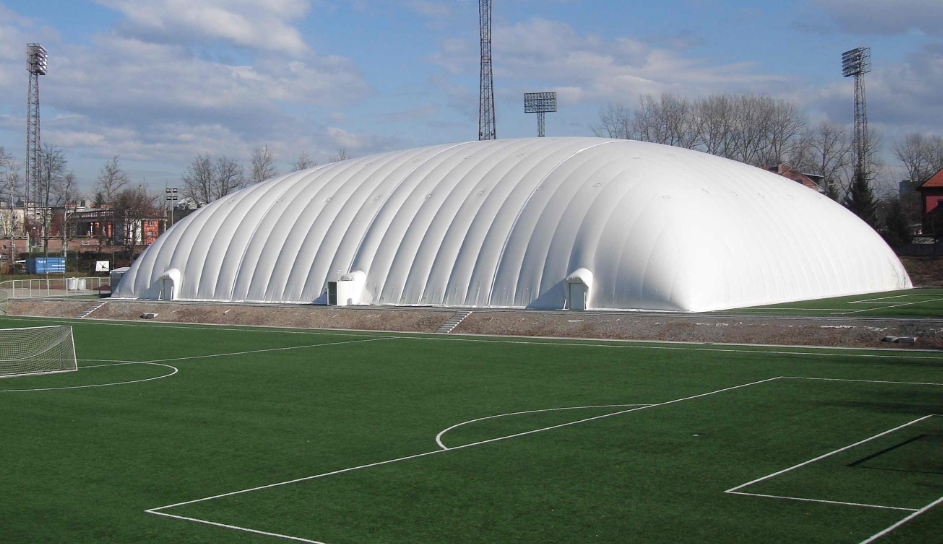
In the field of modern architecture, inflatable membrane structures are gaining increasing attention across various sectors due to their unique structural form and practical performance. Composed primarily of thin-film materials, these structures achieve a stable shape through inflation and are widely used in facilities such as sports venues and warehouses.
I. Basic Principles of Inflatable Membrane Structures
Inflatable membrane structures consist primarily of high-strength thin-film materials and an inflation system. By pumping air into the membrane, the structure forms pressurized air cushions or air ribs; the balance between internal air pressure and the tension of the membrane material maintains the overall shape. This type of structure requires minimal internal support, features a low self-weight, and can span large distances, making it ideal for large-scale architectural spaces.
II. Key Application Scenarios
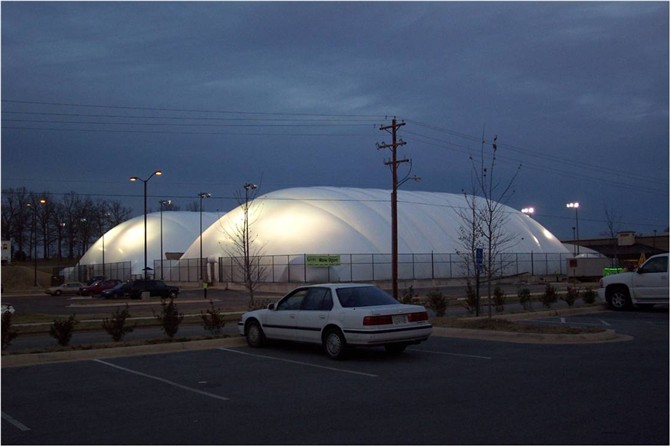
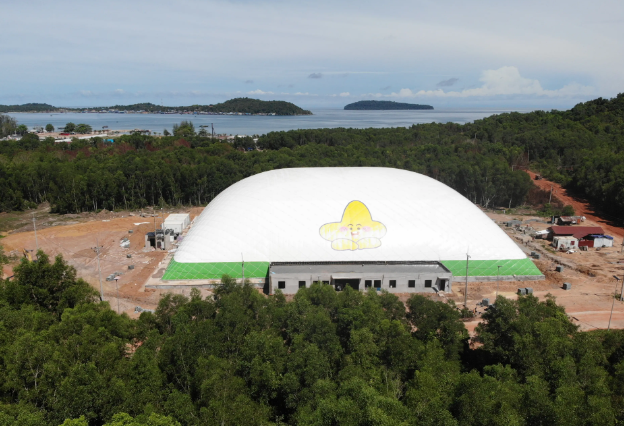
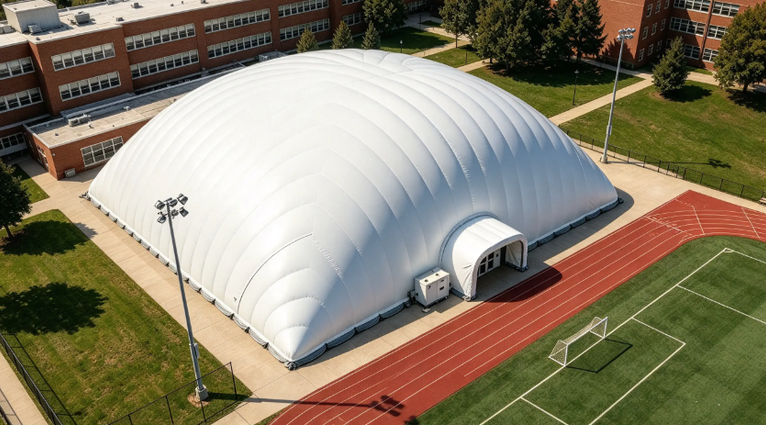
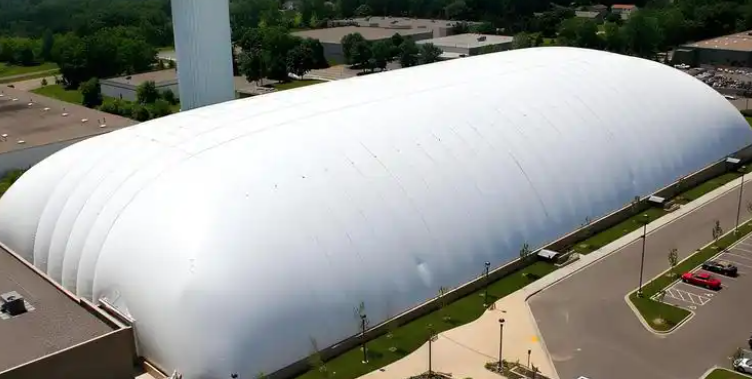
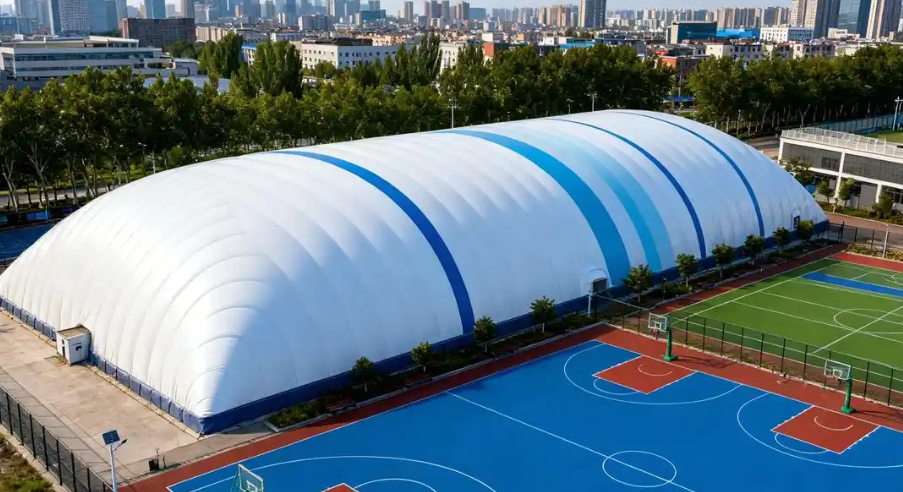
- Sports Venues: Facilities such as swimming pools and badminton halls can utilize inflatable membrane structures to create expansive, column-free spaces, effectively accommodating various sporting events.
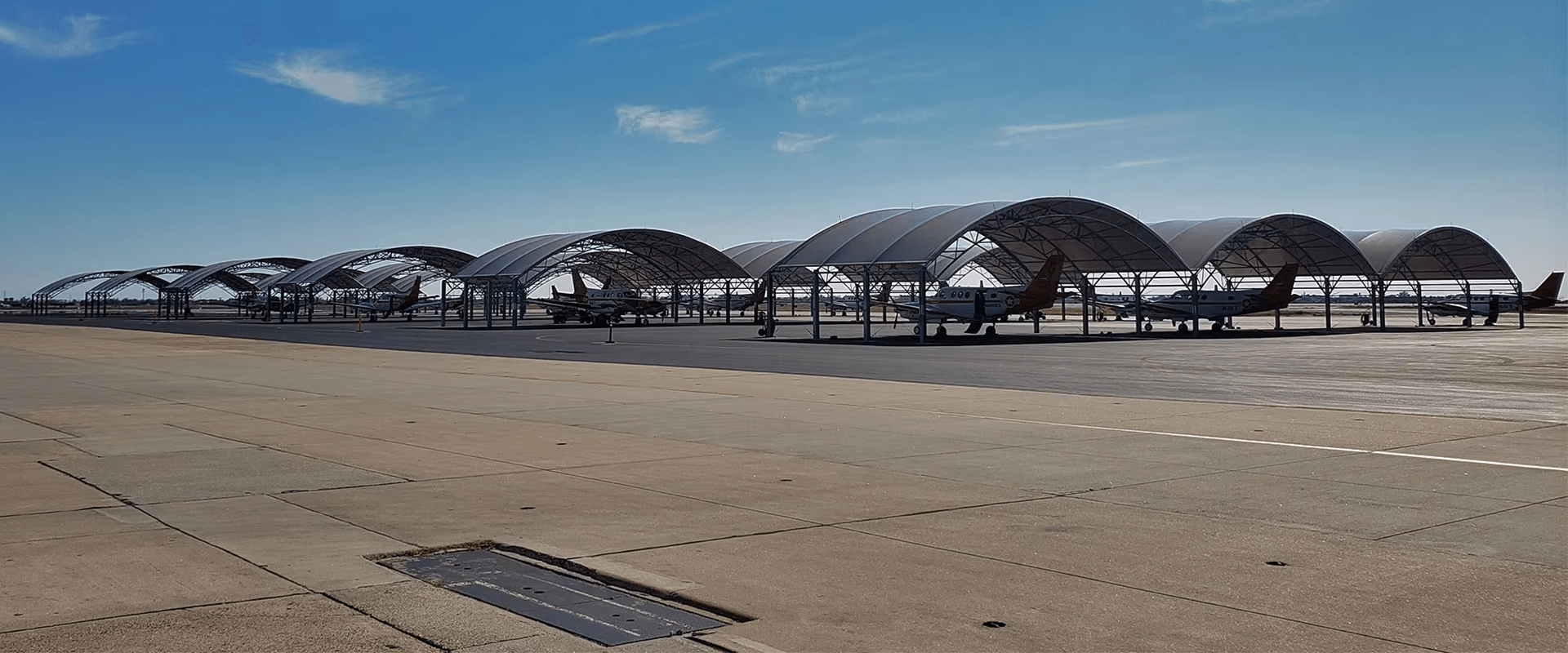
- Warehousing and Logistics: In settings like temporary storage or material stockpiling yards, these structures offer rapid assembly and the flexibility to adjust space dimensions as needed.
- Temporary Facilities: For large-scale events such as exhibitions or music festivals, inflatable membrane structures provide the advantage of convenient installation and swift dismantling.
III. Advantages Over Traditional Structures
- Cost-Effectiveness: Requiring fewer materials and shorter construction cycles, these structures can reduce overall costs by more than 30% compared to traditional steel structures.
- Space Utilization: With no internal columns to obstruct the area, space utilization can exceed 95%, facilitating the installation of equipment and the movement of people.
- Environmental Friendliness and Energy Efficiency: The membrane materials often feature eco-friendly coatings and offer moderate light transmission, which can reduce air-conditioning energy consumption by approximately 15% during the summer.
- Safety: These structures exhibit excellent resistance to wind and seismic activity; furthermore, certain specialized coatings provide fire resistance and self-cleaning properties.
IV. Design and Construction Considerations
- Material Selection: The appropriate membrane material must be chosen based on the specific application; for instance, PVC-coated membranes are suitable for permanent structures, while PTFE-coated membranes offer superior durability. 2. Inflation System: Employs a redundant design to ensure structural stability is maintained even in the event of a failure in a single air supply source.
- Maintenance and Management: Involves regular inspections of airtightness and structural integrity, as well as the cleaning and repair of membrane materials.
As construction technology evolves, the potential of inflatable membrane structures within the realm of sustainable architecture is becoming increasingly apparent. Whether utilized for temporary facilities or permanent structures, their unique structural advantages are expanding the design boundaries of traditional architecture. Looking ahead, these types of structures are poised for innovative applications across an even wider range of fields.