Design Services
Types of Air-Supported Membrane Materials and Their Key Applications
Air-supported membranes (air domes) can be constructed from various materials, each with distinct characteristics. Generally, there are three primary types of materials used: PTFE, PVDF, and ETFE.
PTFE membrane material offers high strength and excellent tear resistance, though its light transmission is relatively low.
PVDF membrane material also provides high strength and tear resistance, while offering better light transmission. ETFE membrane material, meanwhile, features high strength and tear resistance, though its light transmission is slightly lower than that of PTFE or PVDF.
Additionally, air-supported membranes can be made from high-strength, highly elastic polyester fiber materials. These are lightweight, easy to transport and store, and help reduce the burden associated with site setup and maintenance. When selecting a material, one must consider specific design requirements, paying close attention to factors such as strength, light transmission, and durability. Furthermore, parameters like surface treatment processes and structural strength should be evaluated to ensure the longevity and safety of the air-supported structure.

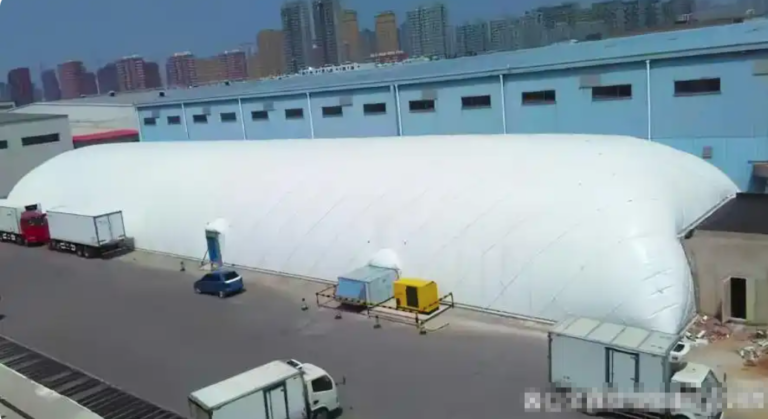
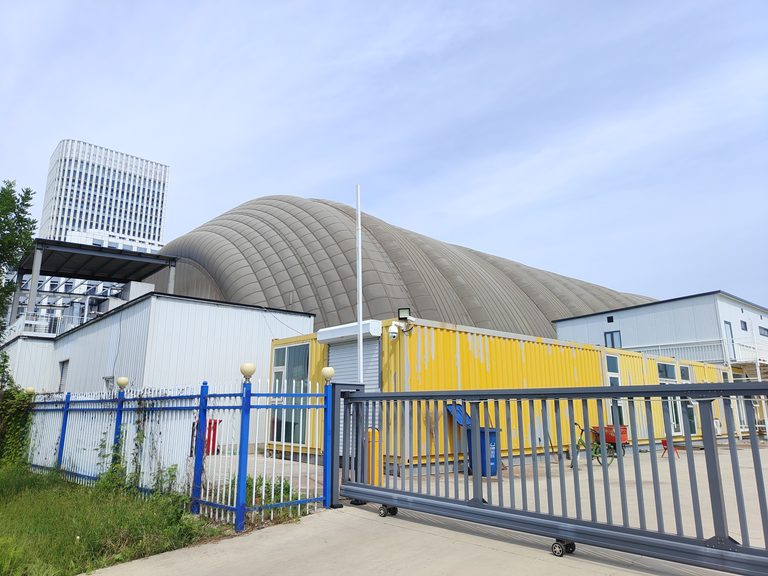
In summary, as an innovative architectural form, air-supported membranes are lightweight, portable, and highly flexible, making them suitable for a wide range of site requirements. During the design and construction process, various factors—including the structural system, the intended operating environment, and material performance—must be comprehensively considered to guarantee the safety and stability of the structure.
Where are air-supported membranes used?
Sports and athletic facilities: Such as stadiums, swimming pools, tennis courts, badminton halls, sports complexes, and fitness centers.
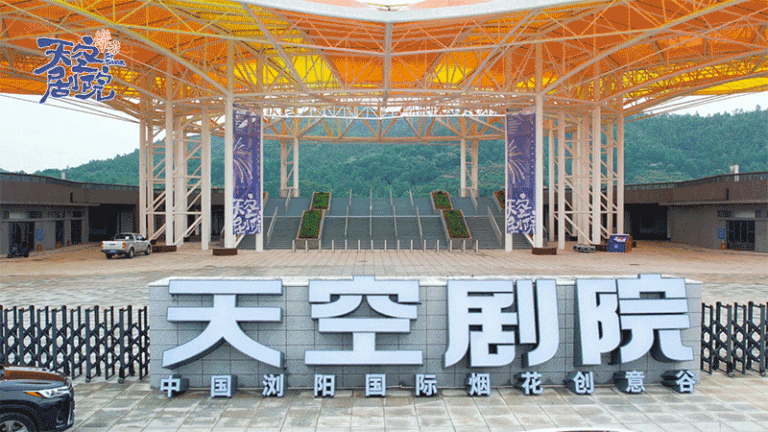
Exhibition and event venues: Including convention centers, exposition centers, exhibition halls, and museums.
Commercial spaces: Such as large retail stores, shops, shopping malls, and trade centers.
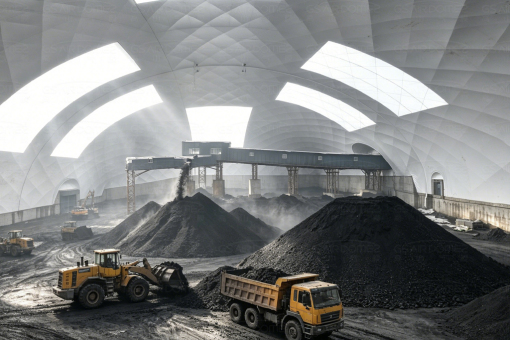
Agricultural and ecological sites: Including eco-agricultural parks, botanical gardens, agricultural sheds, and large-scale greenhouses. Environmental protection facilities: Including enclosed material storage yards, coal storage sheds, covers for contaminated soil, and containment systems for waste gases or wastewater.

Emergency and disaster relief facilities: Such as temporary shelters, command centers, and field hospitals.
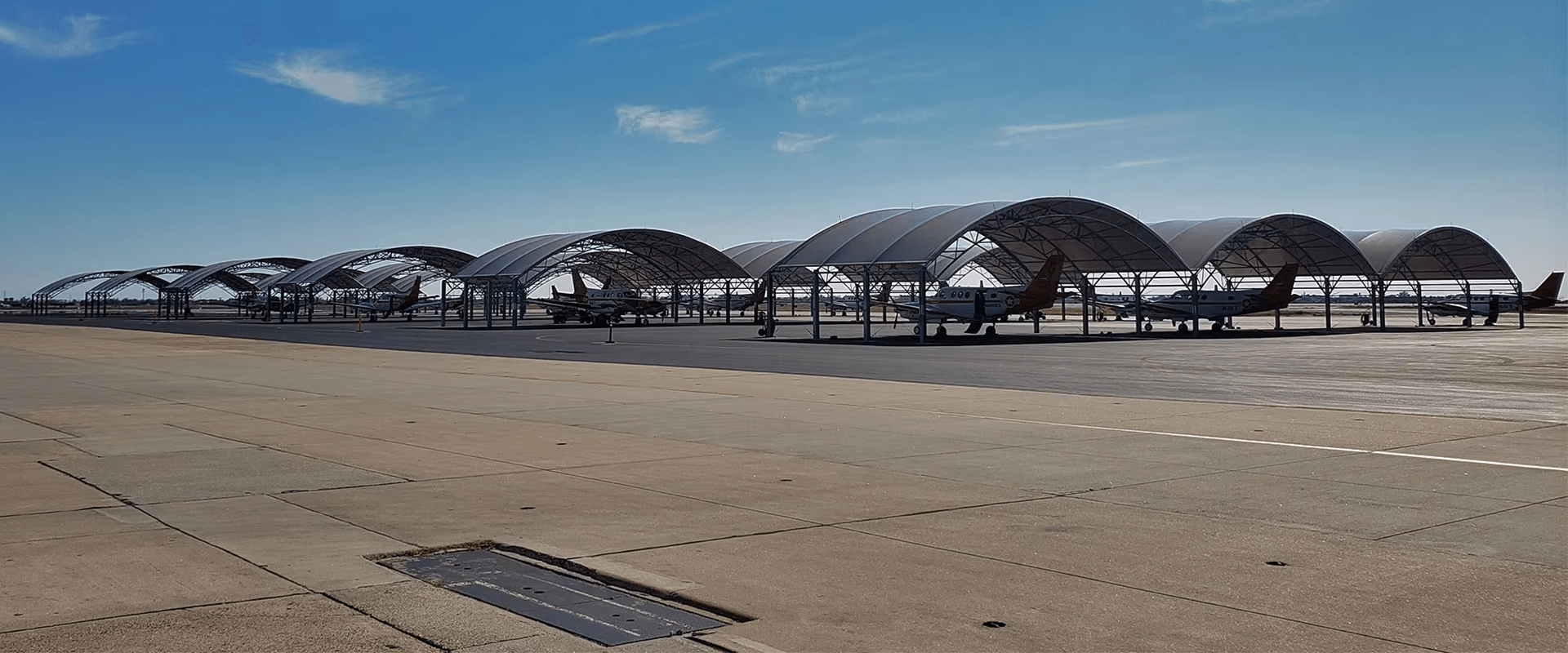
Military applications: Including field hospitals, emergency command posts, airship hangars, mobile aircraft hangars, and protective radomes.
Storage facilities: Such as air-supported structures used for coal or grain storage.
Soil remediation sites: Including air-supported enclosures for soil remediation projects.
Exhibition venues: Given their need for large, temporary spaces, air-supported structures offer a highly practical solution for exhibition halls.
If you are interested in air-supported structures or inflatable membrane technology, please feel free to reach out via private message or phone. Zhongke Membrane Structure looks forward to discussing potential projects with you.