Design Services


How Are Air-Supported Structures Inflated?
Inflation and commissioning are critical stages in the construction of air-supported structures, and many people are curious about how this process works. To satisfy your curiosity, let’s take a closer look with the team at Zhongke Membrane Structures!
Before inflation begins, it is essential to choose a day with favorable weather; inflation should not be attempted if wind speeds reach Level 4 (approx. 20–28 km/h). Next, all connections—between membrane panels, between the membrane and the foundation, and among the steel cables—must be inspected. Additionally, the auxiliary equipment for the structure should be checked to ensure it is fully operational. Finally, the surrounding environment must be assessed; because the membrane may sway or shift during inflation, care must be taken to ensure it does not come into contact with anything that could cause a tear or scratch.
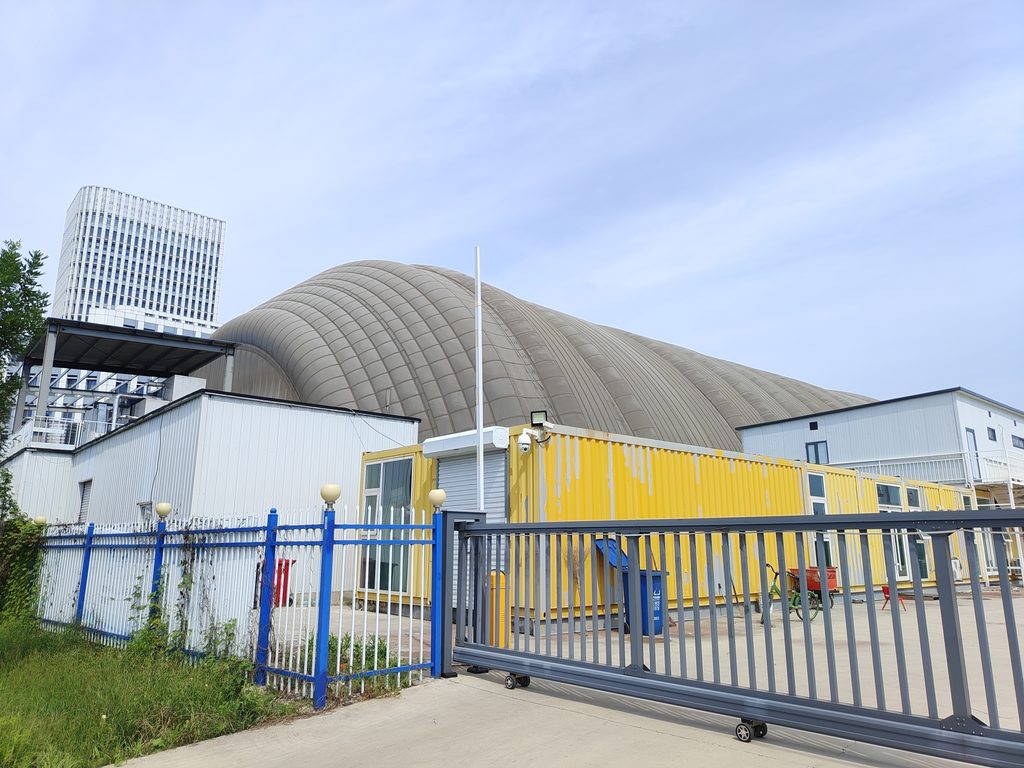
At Zhongke Membrane Structures, the inflation and commissioning process is generally divided into the following four steps:
- Initiation of Inflation
Once all preparatory work is complete, the blowers are activated to begin inflating the structure. As the membrane rises, personnel must be on-site to ensure that no part of the structure comes into contact with fences, door frames, or mechanical and electrical equipment. If the rising membrane encounters an obstacle, inflation must be paused immediately and only resumed once the obstruction has been cleared.
- Intermediate Inspection
When the internal pressure reaches 60–100 Pascals, the main body of the air-supported structure will largely take shape. At this stage, a thorough inspection of the membrane, cables, door frames, mechanical/electrical equipment, and all connection points is required to address any irregularities. For instance, if any air leaks are detected at connection points, they must be temporarily sealed.
- Continued Inflation
After all issues identified during the intermediate inspection have been resolved, inflation can continue until the structure reaches its designed operating pressure.
- Final Inspection
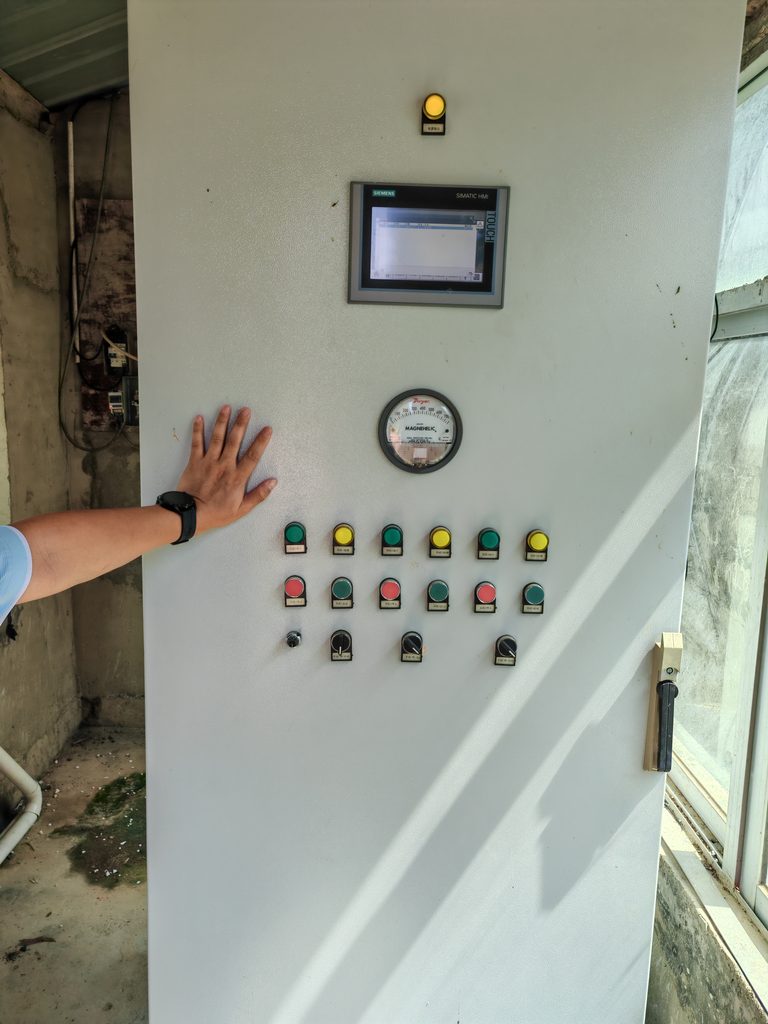
Once inflation is complete, the air-supported structure must be maintained at its maximum design pressure for at least one hour before switching to the automatic control system. During this period, every component of the structure must undergo a comprehensive inspection and test. Generally speaking, the inflation process for an air-supported structure should not exceed four hours. The team at Zhongke Membrane Structures typically schedules inflation and commissioning for the morning, ensuring sufficient time to address any unforeseen issues that may arise during the construction process.