Design Services
How Much Does an ETFE Roof Cost? Pricing & 4 Cost Factors
Membrane materials are categorized into imported and domestic varieties, with ETFE (ethylene-tetrafluoroethylene) currently standing out as the premier choice among imported options. ETFE is a transparent, non-fabric-based membrane material with an elongation capacity of 420%–440%. So, what is the cost per square meter for an ETFE membrane structure?
What is the cost per square meter for an ETFE membrane structure?
Generally speaking, a single-layer ETFE membrane structure costs approximately 1,600 RMB per square meter, while a double-layer pneumatic cushion (pillow) system costs between 2,000 and 2,200 RMB per square meter. These figures encompass materials, labor, and all necessary auxiliary equipment. ETFE membrane structures are significantly more expensive than PTFE or PVDF alternatives, a price difference driven by the unique properties of the ETFE material itself.
Why are ETFE membrane structures so expensive?
- Long-term structural durability
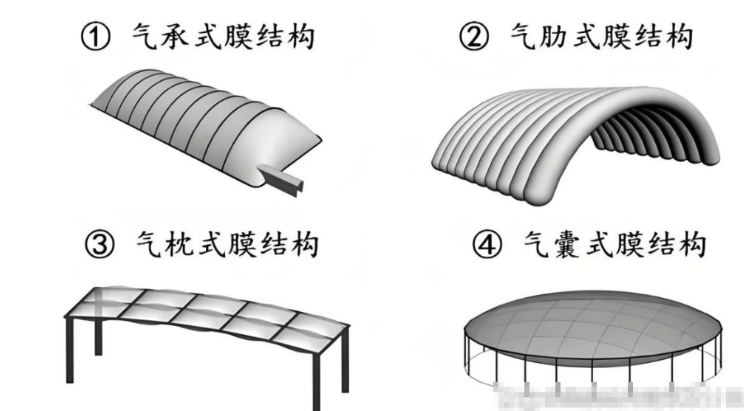
ETFE membrane structures consist of pneumatic cushions secured by aluminum frames and supported by a lightweight steel framework. These cushions are inflated to a low pressure, providing thermal insulation and the ability to withstand wind loads. Composed of multiple layers of film, these cushions can be fabricated into virtually any size or shape, making them ideal for large-span applications by eliminating the need for intermediate support structures. Furthermore, the material does not degrade due to UV exposure or atmospheric pollution; it is a permanent material designed to last over 30 years without becoming brittle or discolored over time.
- High light transmission and aesthetic appeal
ETFE membranes offer exceptional light transmission, fostering a closer connection to the natural environment—a feature that enhances the experience for visitors, such as those shopping or relaxing on a weekend after a long work week. For instance, the ETFE roof structure on the Adidas building serves as a draw for customers, ultimately creating greater business opportunities. How much does an ETFE membrane structure cost per square meter? Why is ETFE so popular?

III. Economic and Environmental Advantages of ETFE Membrane Structures
ETFE membrane structures are lightweight—weighing only 1% of an equivalent area of glass—yet they possess excellent toughness, high tensile strength, and high resistance to tearing, with an elongation capacity exceeding 400%. They offer superior weather resistance and chemical corrosion resistance, with a melting point as high as 200°C, and provide excellent acoustic performance. Their self-cleaning properties prevent dirt from adhering to the surface; any minor accumulation is easily washed away by rainwater, resulting in a cleaning cycle of approximately five years. Furthermore, ETFE membrane material can be prefabricated into pneumatic cushions (pillows), which simplifies both construction and maintenance.
IV. Aesthetic and Stylish Advantages of ETFE Membrane Structures
The high light transmission of ETFE membrane structures creates a stylish, airy, and pleasant atmosphere—a key factor that developers use to attract clients. The interior design—a fusion of architectural expertise and fashion-inspired concepts—is defined by its sleek, modern appearance, integrated self-illumination capabilities, and the versatile, eco-friendly nature of the ETFE material itself.

The key to this design approach lies in integrating multiple methodologies; throughout both the design and construction phases, the project is guided by the principles of “fashion-forward” architectural design. Specialized lighting elements are incorporated into the interior structure and blended with the existing architecture to create a seamless, streamlined aesthetic, giving the building a fluid, organic form.
If you are interested in ETFE membrane structures, we invite you to follow us and engage in further discussion with the team at Zhongke Membrane Structures. Please feel free to contact us if you require consultation regarding pneumatic (air-supported) membrane projects.