Design Services


Key Benefits of Building an Air Dome Badminton Arena
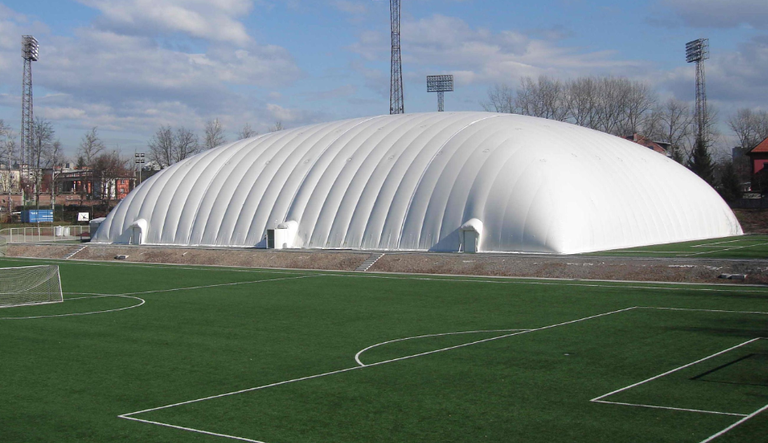
The core appeal of an air-supported (air dome) badminton arena lies in its ability to create sports spaces—often difficult to achieve with traditional construction—at a lower cost and with greater speed. Furthermore, these structures are highly flexible, easily relocatable, and do not permanently occupy land. They are particularly well-suited for revitalizing underutilized urban corners or temporary sites, offering a rapid solution to address shortages in sports facilities.
Sports Experience: Column-Free, Spacious, and Glare-Free Lighting
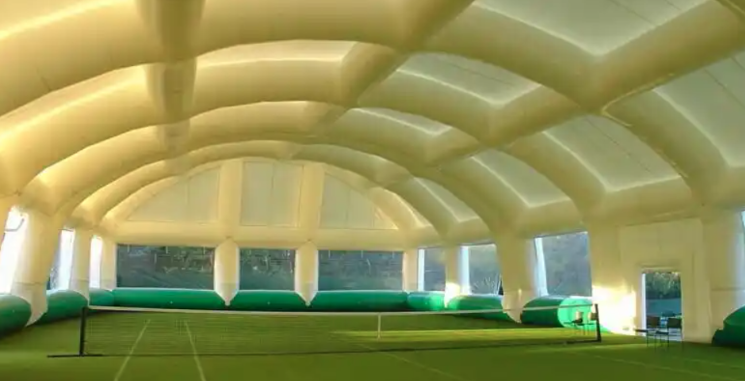
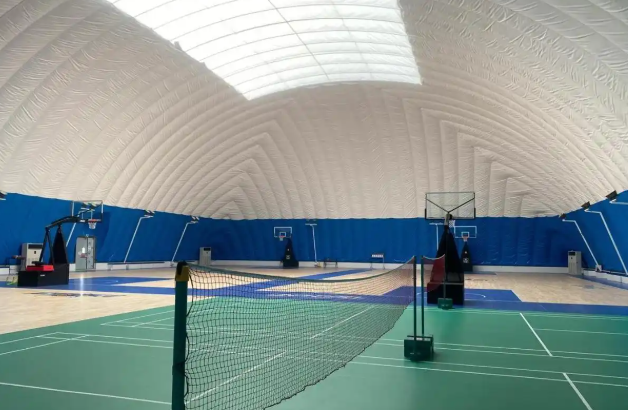
The interior of an air-supported arena is entirely free of columns or beams, providing an expansive, unobstructed space that ensures clear sightlines and unrestricted movement across the badminton courts. The membrane material allows for the transmission and diffusion of natural light; when combined with specialized lighting systems, it creates a bright, uniform environment that is free from glare—making it easier for players to track the shuttlecock. Additionally, an intelligent ventilation system continuously filters out PM2.5 particles while maintaining a constant temperature and humidity, ensuring the space remains comfortable and well-oxygenated, even when fully occupied.
Construction Efficiency: Ready for Use in Just Two to Four Weeks
While traditional sports facilities often require six months or more from groundbreaking to completion, air-supported arenas utilize components—membranes and mechanical equipment—that are prefabricated in a factory. On-site, the process simply involves preparing a solid foundation, followed by inflation and assembly. For instance, a 3,500-square-meter facility in Wuhan was completed and opened in just two weeks, while a 1,000-square-meter project in Zhoushan saw its main structure finished in about 30 days. This speed is a critical advantage when aiming to open in time for peak fitness seasons or when there is an urgent need to address a lack of sports infrastructure.
Cost Advantages: Significantly Lower Construction and Energy Expenses
In terms of construction, the cost per unit area for an air-supported arena is typically only one-third to one-fifth that of a traditional reinforced concrete or steel-structure facility. For example, a 1,000-square-meter project in Zhoushan, featuring seven badminton courts, had a total construction cost of just over 1 million RMB—whereas a traditional sports facility of the same scale would typically cost at least 5 million RMB. During operation, the excellent thermal insulation and airtightness of the air-supported structure keep energy consumption to approximately 30% of that of a conventional building, resulting in substantial long-term savings on electricity costs. Land Adaptability: Demountable and Relocatable—No Permanent Ties to the Site
Air-supported structures are lightweight and have minimal foundation requirements, allowing them to be installed on underutilized playgrounds, former warehouse sites, or even leftover urban spaces. More importantly, should the land be slated for future development, the structure can be deflated, dismantled, and transported elsewhere. The costs for disassembly and reassembly are quite low (approximately 60,000 RMB for the Wuhan project), and the process leaves the ground foundation intact. This makes them an ideal solution for temporary use or land held in reserve, offering great flexibility in deployment and removal.
Safety and Durability: Wind and Seismic Resistance with Long-Lasting Membrane Materials
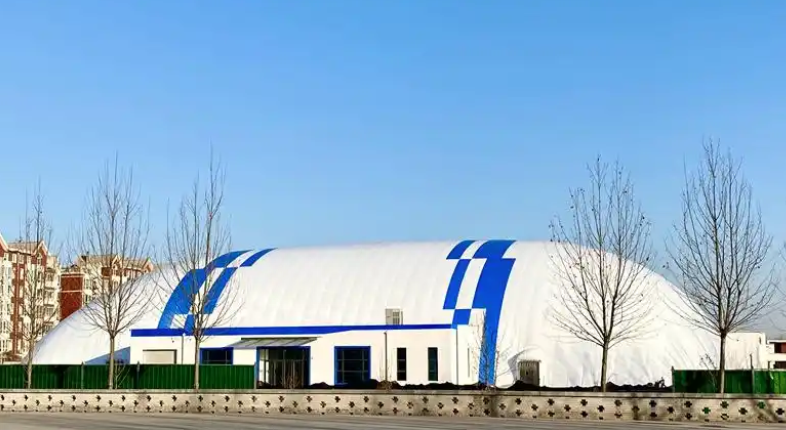
Despite their seemingly “fragile” appearance, properly engineered air-supported structures are highly secure. Reinforced with a diagonal cross-cable network, they can withstand gale-force winds (up to Beaufort scale 12); the Wuhan project, for instance, is rated to resist a magnitude 8 earthquake. The membrane materials used are typically B1-grade flame-retardant; high-end options (such as PVF) offer excellent UV resistance and self-cleaning properties, with a service life of over 25 years.
If you are evaluating the feasibility of a specific site, feel free to share the approximate area and the local climatic conditions. I can help you determine which features are most relevant to your needs and point out any potential limitations you should keep in mind.