Design Services

6 Custom Tensile Structure Solutions for Rainy Regions
For those living in the south, the year is essentially split in two: half the time it’s raining, and the other half it’s sweltering hot. In regions characterized by high temperatures and frequent rainfall, constructing a membrane structure that can withstand both intense sun and heavy downpours is no small feat. Ever found yourself scratching your head, wondering, “How on earth do I choose the right membrane structure?” Don’t worry—today, we’re diving deep into this very topic.
“How to choose a membrane structure for hot, rainy regions? Here are 6 customized solutions!” This isn’t just a catchy slogan—it’s a practical, tailor-made guide designed just for you. Whether you’re planning a sports grandstand, a commercial walkway, a parking canopy, or a leisure landscape area, you’re sure to find the inspiration and direction you need!
- Prioritize heat-resistant membrane materials—don’t let the sun “cook” your structure.
The sun is no joke, so you can’t afford to be careless when selecting your membrane material!
In high-temperature environments, the thermal stability of the material is critical. Choose the wrong one, and you could quickly face issues like aging, discoloration, or even melting—and that’s no exaggeration.
Recommended materials include:
PTFE (polytetrafluoroethylene): Withstands temperatures up to 260°C and features self-cleaning properties when exposed to rain—perfect for hot, humid climates.
ETFE (ethylene-tetrafluoroethylene copolymer): Lightweight and transparent, with excellent UV-blocking capabilities.
PVDF-coated PVC: An economical and practical choice for those who need weather resistance while keeping to a budget.
👉 In short: For hot regions, steer clear of materials that might “wilt” at the first sign of heat.
- Dealing with the rain: Robust drainage design is a must.
Whatever you do, don’t let your roof turn into a swimming pool!
In areas with constant heavy rain, poor drainage is a recipe for disaster—water accumulation can quickly become a serious structural hazard, potentially leading to a collapse. That’s why, in our guide on choosing membrane structures for hot, rainy regions, the second key point is clear: you’ve got to get the drainage design exactly right. Drainage Design Optimization Recommendations:
Incorporate a sloped tensioned structure design;
Implement a multi-point drainage outlet layout;
Install rainwater gutters and rapid drainage/diversion systems;
Utilize concealed, downward-routed drainage conduits—both aesthetically pleasing and functional.
Think membrane structures rely solely on the fabric itself to shed rain? Think again! Proper drainage is the true “unsung hero.”
- Wind Resistance Design—Unfazed by Fierce Storms
If it can’t withstand the wind, how can it support your dreams?
Regions with high temperatures and heavy rainfall are often prone to intense storms—coastal cities, in particular, frequently face the arrival of typhoons. If a membrane structure lacks sufficient wind resistance, it’s not just a matter of the fabric tearing; the entire structure could potentially be lifted away…
Design Recommendations:
Employ prestressed tensioning techniques to enhance the overall structural rigidity;
Use a combination of steel cable frameworks and membrane materials;
Reinforce all seams and joints, with special attention to connection supports.
You might not mind a little rain, but when the wind picks up, it doesn’t negotiate.
- Intelligent Temperature Control—Giving Membrane Structures the Ability to “Breathe”
No “oven-like” heat in the summer, no stuffy, moldy conditions during the rains!
Ever wondered if a membrane structure could function like a “smart roof” that regulates its own temperature? In the latest generation of high-performance membrane architecture, this is no longer just a fantasy.
Available Options:
Photovoltaic-integrated, heat-insulating membrane layers;
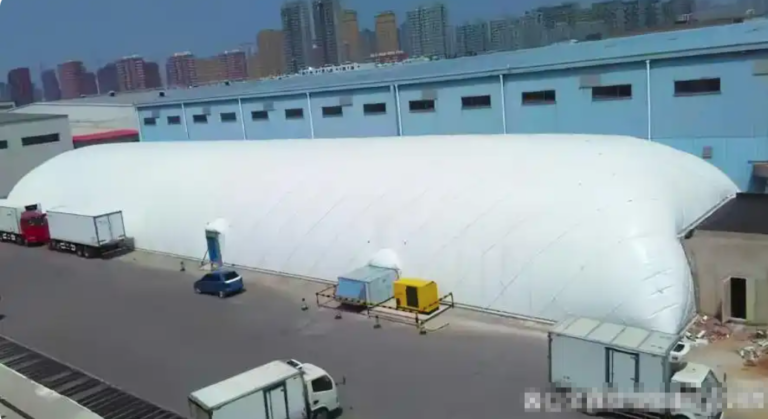
Double-layered, air-inflated membrane systems for superior thermal insulation;
Automated, retractable skylight systems that intelligently adjust based on temperature and humidity.
So, how should you choose a membrane structure for a hot, rainy climate? Here are six customized solutions—would you opt for a “breathing” roof?
- Regular Maintenance—Don’t Let Neglect Ruin a Great Structure
Never fall for the myth that “once it’s built, the job is done.”
In extreme climates, membrane structures require more frequent maintenance than those in milder regions. Humid environments are prone to mold growth, while prolonged exposure to ultraviolet (UV) radiation can degrade the performance of the membrane material. Recommended Maintenance Schedule:
Inspect the drainage system quarterly;
Perform high-pressure cleaning and apply protective coatings semi-annually;
Check tension levels and structural anchor points annually to ensure nothing has come loose.
As the saying goes: the way you treat your membrane structure is exactly how it will perform for you.
- Choose a Professional Manufacturer—Avoid “Haphazard” Customization
For a stable structure, start by choosing the right partner!
This final point is the most critical. If you are still asking, “How should I choose a membrane structure for a hot, rainy region?”—the answer lies in the very moment you select your manufacturer.
Key criteria for choosing a manufacturer:
Do they have experience with projects in tropical or high-rainfall regions?
Do they offer integrated services (design, production, construction, and after-sales support)?
Can they provide “micro-customized” structural designs tailored to specific climatic environments?
Don’t be swayed by low prices; the old adage “you get what you pay for” holds very true here.
Frequently Asked Questions (FAQ)
Q1: Which is better for hot, rainy regions—PTFE or PVC membrane material?
A: PTFE offers superior weather resistance, making it particularly well-suited for hot, humid southern climates. While PVC is more economical, it is prone to aging when exposed to high-humidity environments over the long term.
Q2: Is a thicker membrane always better?
A: Not necessarily. The appropriate thickness must be determined based on multiple factors, including structural span, load-bearing requirements, and wind pressure. Blindly opting for greater thickness can actually make the tensioning process more difficult.
Q3: Can I design the blueprints myself and hire a manufacturer just for the construction?
A: You can, but it is highly recommended to have a professional manufacturer review your designs to prevent structural issues during construction.
Q4: Can solar energy systems be installed on membrane structures?
A: Yes. ETFE and certain types of transparent PVDF membranes can integrate thin-film solar technology, allowing the structure to provide both shade and energy generation.
In short, building a membrane structure in a hot, rainy region is far more complex than simply “buying a piece of fabric to cover a space.” It is a blend of science and art—and, ultimately, an investment in your future space. So, “How to Choose a Membrane Structure for Hot and Rainy Regions? 6 Customized Solutions” is more than just a headline—it’s a call to action. Have you found the perfect solution for your needs yet?
Choosing the wrong structure makes every season a struggle. Now is the time to provide your project with a “membrane world” that offers shelter from the elements while remaining a feast for the eyes!