Design Services
Biomimetic Membrane Design for Zoo Animal Habitats
The relationship between modern humanity and the natural world has evolved far beyond one-way control; it has become a state of deep symbiosis. In the context of constructing facilities like zoos and wildlife centers, how can we strike a balance between architectural functionality and the imperatives of ecological conservation? This brings us to our focus: the design of membrane structures for animal enclosures—specifically, how to leverage biomimetic principles to craft naturalistic habitats.
In the past, such projects might have simply involved erecting steel frames and pouring concrete. Today, however, designers are adopting a “smarter” approach—combining biomimicry with membrane structures—to approach, simulate, and recreate the natural world. Sound a bit like science fiction? Stay with us as we peel back the layers of this fascinating intersection between architecture and biological intelligence.
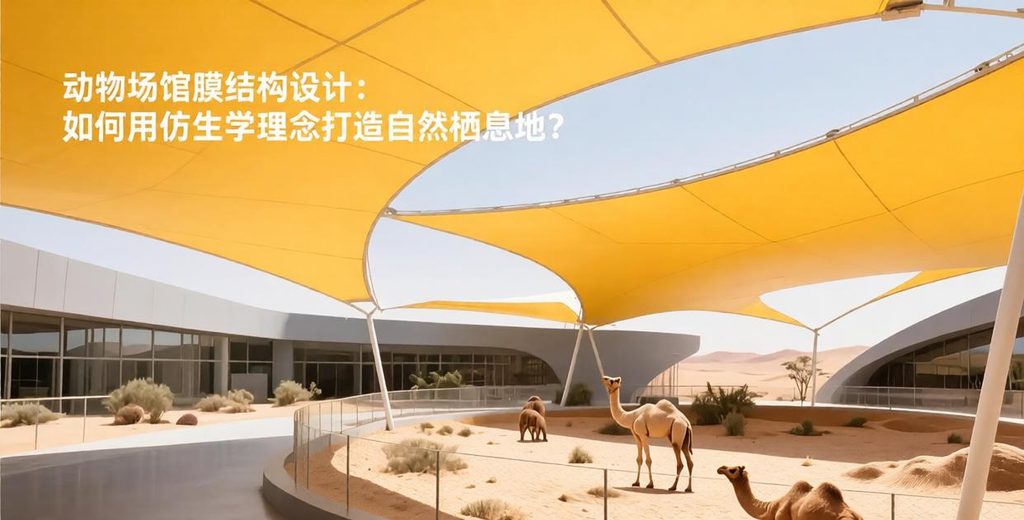
What is membrane structure design for animal enclosures?
Simply put, a membrane structure is a lightweight spatial system that uses high-strength, flexible membrane material as its “skin.” Its defining characteristics? It is lightweight, translucent, pliable, and highly adaptable.
When applied to animal habitats, this flexible architectural form—integrated with biomimetic concepts—can simulate an animal’s original, wild environment. It allows creatures to live as freely in an artificial setting as they would in the wild. In essence, this isn’t just about building a shelter for animals; it’s about “returning” a home to them.
The magic of biomimicry: Design goes beyond mere aesthetics
When people hear “biomimicry,” they often think of literal, object-like forms—skylights shaped like honeycombs, theaters resembling bird nests, or roofs modeled after leaves. But biomimetic design is far more than just “looking like” something; it is about emulating the functional mechanisms of biological systems.
How are biomimetic principles applied to membrane structures?
Emulating structural logic
Suspended canopies: Mimicking the foliage of towering trees in a tropical rainforest, these high-reaching shading systems provide space for animals like gibbons and small primates to climb and move freely.
Honeycomb-inspired frameworks: Drawing from the structure of a beehive—which is both lightweight and incredibly strong—these designs optimize the roof’s structural mechanics, ensuring both durability and material efficiency. Simulating Natural Microenvironments
Much like a cactus in the desert regulates heat, the membrane materials—through variations in color and thickness—can modulate light exposure and temperature.
Internal humidity and ventilation are designed to mimic forest ecosystems, ensuring that animals like sloths and koalas remain within their “climatic comfort zone.”
Encouraging Natural Behaviors
By simulating wild nests and dens, these designs prompt animals to spontaneously establish territories and habitual pathways, thereby enhancing their psychological well-being.
In short: Biomimetic design is not merely about “looking like” nature; it is about “solving human challenges using biological principles.”
Key Elements in Designing Membrane Structures for Animal Enclosures: How to Create Natural Habitats Through Biomimicry?
Let’s get down to brass tacks: How can you implement an animal enclosure—using membrane structures—that truly “takes nature as its teacher”? Keep these essential concepts in mind:
1. Material Selection and Regulation
Light Transmittance Control: Adjusting the thickness or tint of the membrane material to simulate the way sunlight filters through a forest canopy.
Self-Cleaning Membranes: Inspired by the surface structure of a lotus leaf, these materials are easily cleaned by rainwater, reducing maintenance costs.
2. Simulating Terrain
Incorporating undulations, slopes, and water features to replicate the landscapes of the animals’ native habitats.
Using flexible membranes to enclose irregular spaces, creating a “non-geometric,” wild-inspired layout.
3. Behavioral Pathways and Ecological Interaction
“Hidden Passageways”: Allowing nocturnal animals to move freely without being disturbed.
“Behavioral Theaters”: Spaces such as climbing areas for apes, which satisfy their natural urge to exhibit specific behaviors.
4. Air Circulation and Microclimate Regulation
Leveraging the open nature of membrane structures to design adjustable airflow channels.
Simulating the air-flow dynamics found in wind tunnels, wetlands, or sandy environments to ensure greater comfort for the animals. Project Examples: “Living Architecture” Inspired by Nature
Let’s explore some cutting-edge membrane structure designs for animal enclosures worldwide, and see how they address the ultimate challenge: “How can we use biomimetic principles to create natural habitats?”
Leipzig Zoo, Germany – Tropical Rainforest Pavilion
A massive ETFE membrane roof mimics the high canopy of the Amazon rainforest.
Equipped with humidity control and misting systems, it allows tree frogs, monkeys, and exotic birds to thrive as if in the wild.
🐘 Singapore Zoo – Elephant Ecological Enclosure
A large-span tensile membrane structure evokes the expansive skies of the African savanna.
The design incorporates mud wallows, water holes, and sand pits, encouraging the elephants to engage in natural behaviors.
Chengdu Research Base of Giant Panda Breeding, China
The panda enclosure utilizes a multi-angled tensile membrane structure to create a dappled light effect, reminiscent of sunlight filtering through a forest canopy.
The shifting light and shadows mimic the changing seasons so effectively that the pandas might never want to return to their indoor dens!
Frequently Asked Questions (FAQs)
Q1: What is the lifespan of a membrane structure, and is it suitable for wildlife?
Membrane materials typically last 15–25 years. High-quality PVDF or PTFE materials can withstand extreme weather, and because they lack sharp corners or hard edges, they are highly safe for animals.
Q2: How can we prevent animals from becoming disoriented or stressed by membrane structures?
Designers should incorporate ethological (behavioral) insights by including markers that help animals establish a sense of “territory”—such as artificial rock formations or vegetated walls—while avoiding surfaces that are entirely transparent or highly reflective.
Q3: Are membrane structures expensive to design?
While initial construction costs may be slightly higher than those of traditional building materials, the long-term benefits—such as lower maintenance, energy efficiency, and the promotion of natural animal behaviors—often far outweigh the initial investment, making them more cost-effective over time.
In Conclusion: Technology Softens Architecture; Nature Embraces Design
“Membrane Structure Design for Animal Enclosures: Using Biomimetic Principles to Create Natural Habitats”—this is more than just an architectural exercise; it represents an awakening of ecological ethics. In a world of steel and concrete, creating a “free” home for animals is our most tender tribute to living creatures. Membrane structures allow a design to breathe, while biomimetic concepts bring the essence of nature back into the space. It is not merely about constructing a beautiful building, but about building a bridge to the natural world—a “wizardry of the wild” held aloft by technology.