Design Services
Sculptural Shade Structures: Outdoor Focal Points
When it comes to outdoor shading, the prevailing perception is often one of pure functionality—the primary goal being to block the sun. Consequently, such structures are frequently mundane in design, relegated to the status of inconspicuous, utilitarian site fixtures.
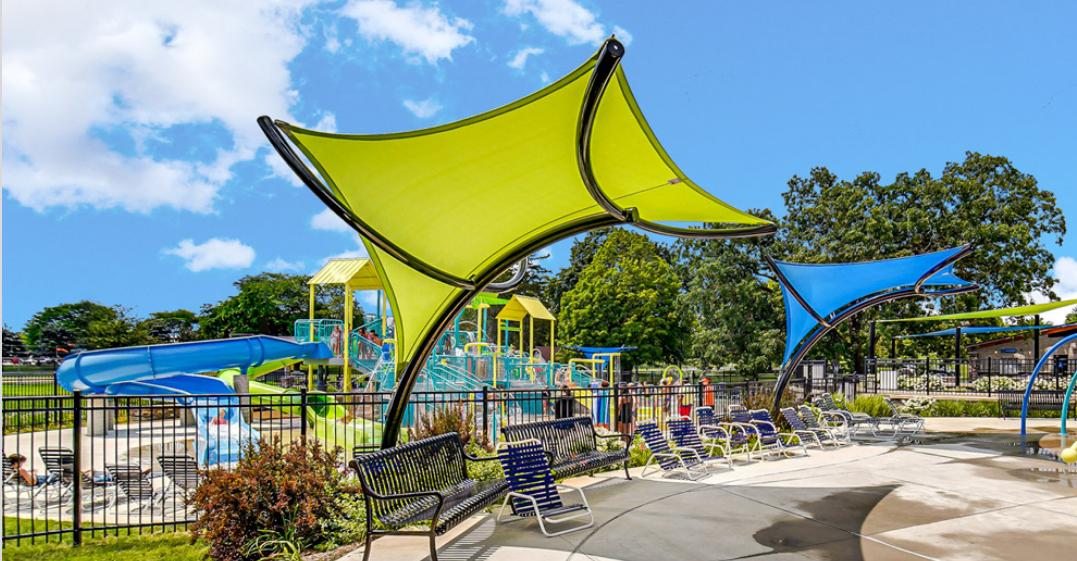
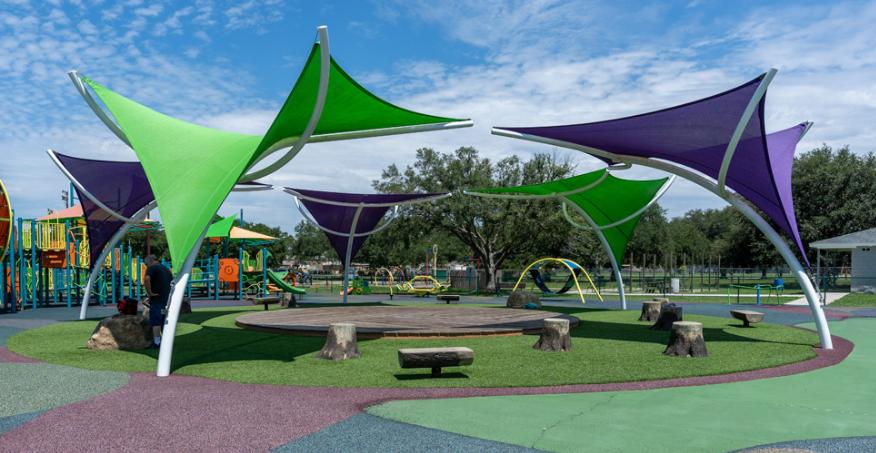
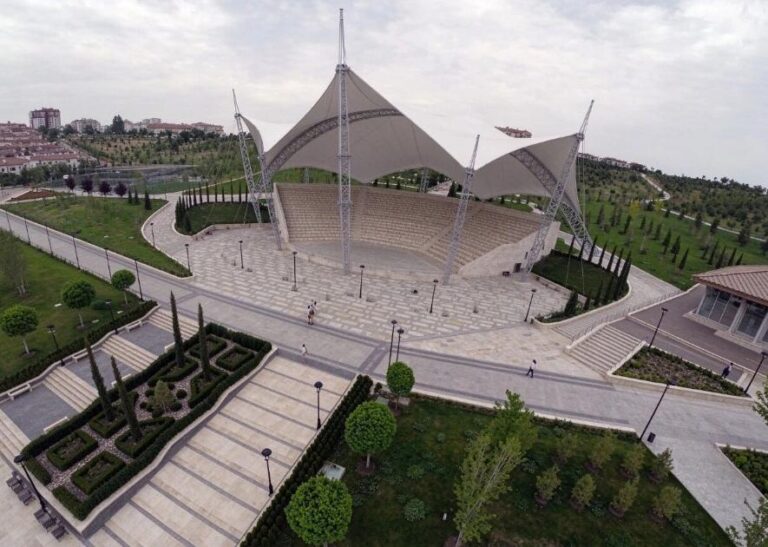
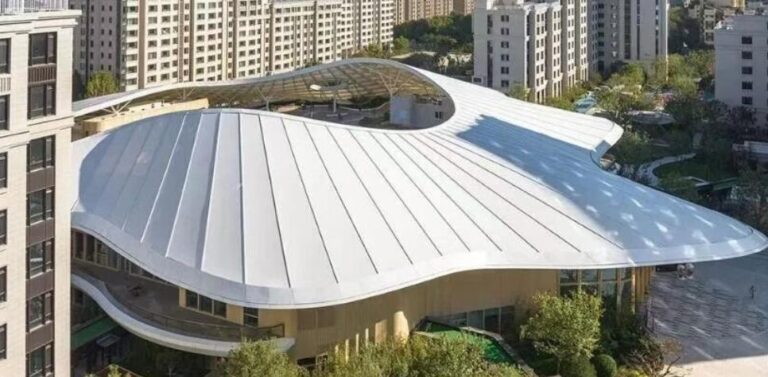
A five-point radial tensioned shading system breaks this mold, merging engineering with public art. These installations transcend their role as passive sun-protection components, becoming instead “anchors” that define the character of a space—perfectly suited for diverse public environments such as parks, campuses, waterfront promenades, and outdoor commercial seating areas.
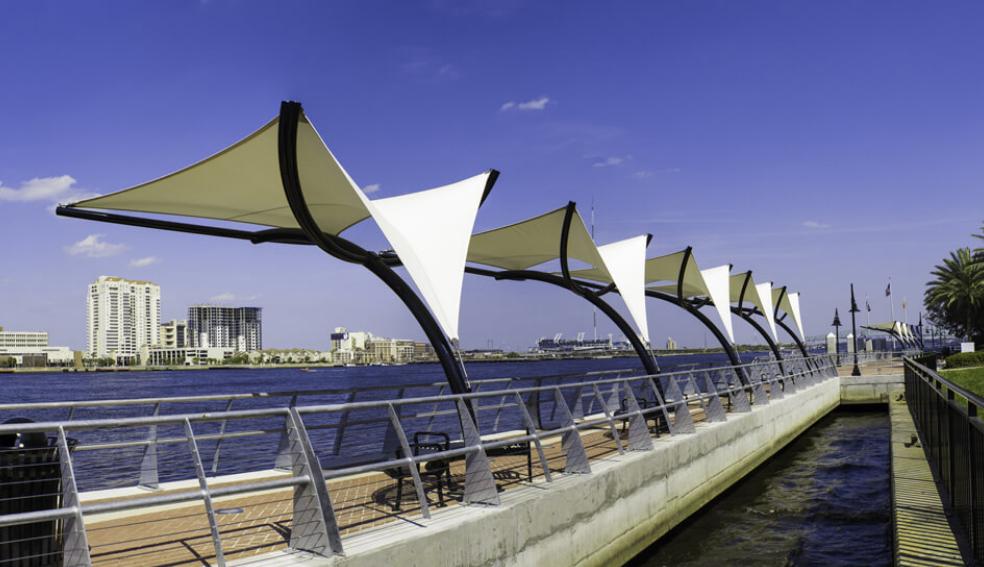
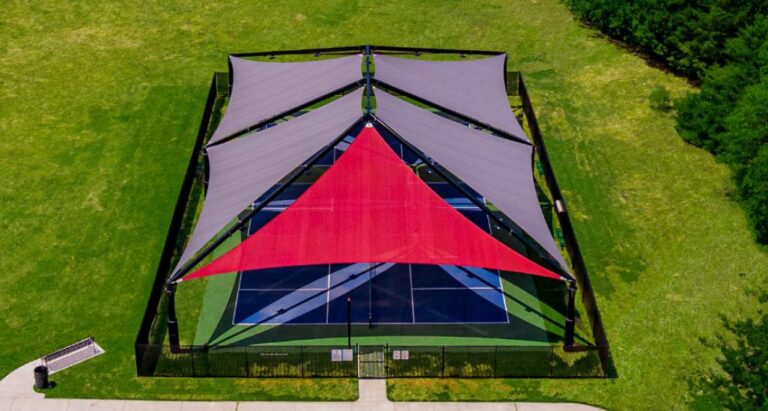
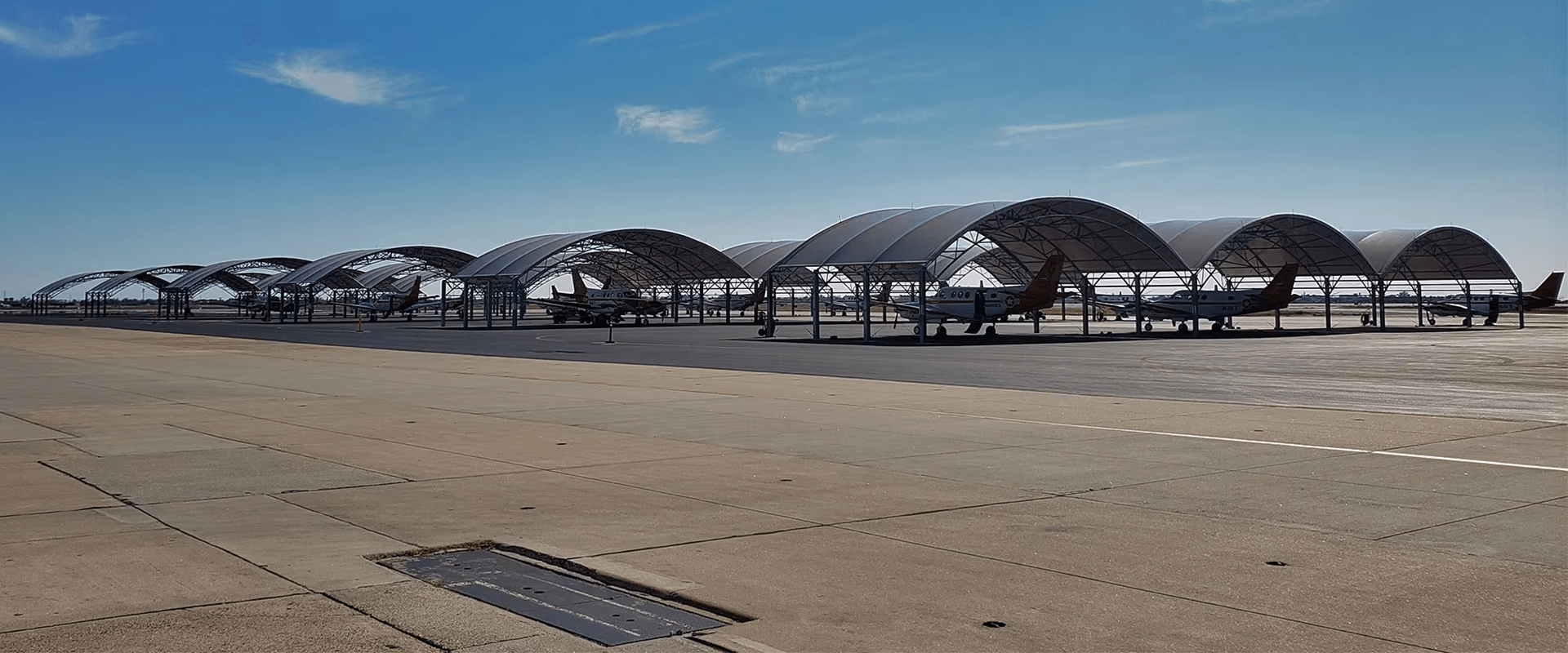
The system utilizes curved steel pipes as a structural framework. These arms radiate outward from a central column, tensioning an HDPE mesh membrane into a five-pointed, star-like, curvilinear form. Unlike traditional, flat, four-sided shade sails, this radial design provides a larger footprint of coverage while requiring fewer support columns, thereby maximizing usable ground space.
In high-activity areas like children’s playgrounds or outdoor picnic zones, fewer ground-level columns mean a reduced risk of accidental collisions. People can move, run, jump, and gather freely, unencumbered by an excess of structural elements.
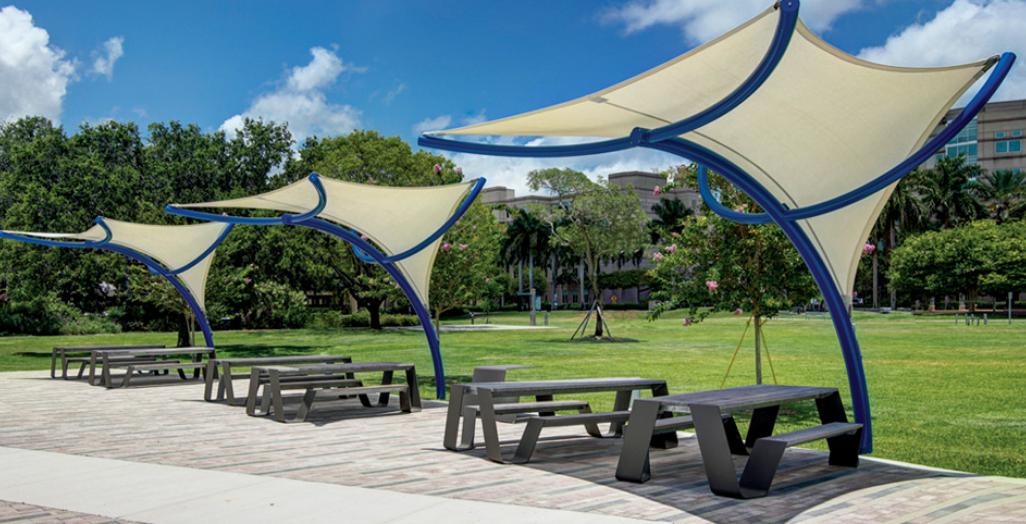
The HDPE mesh fabric serves as the primary protective layer, blocking the vast majority of harmful ultraviolet (UV) rays and safeguarding the skin health of those spending extended periods outdoors. The woven mesh allows for airflow; sea breezes can pass through the material, preventing the buildup of stifling heat. Even at high noon in the height of summer, the shaded area remains relatively cool and comfortable.
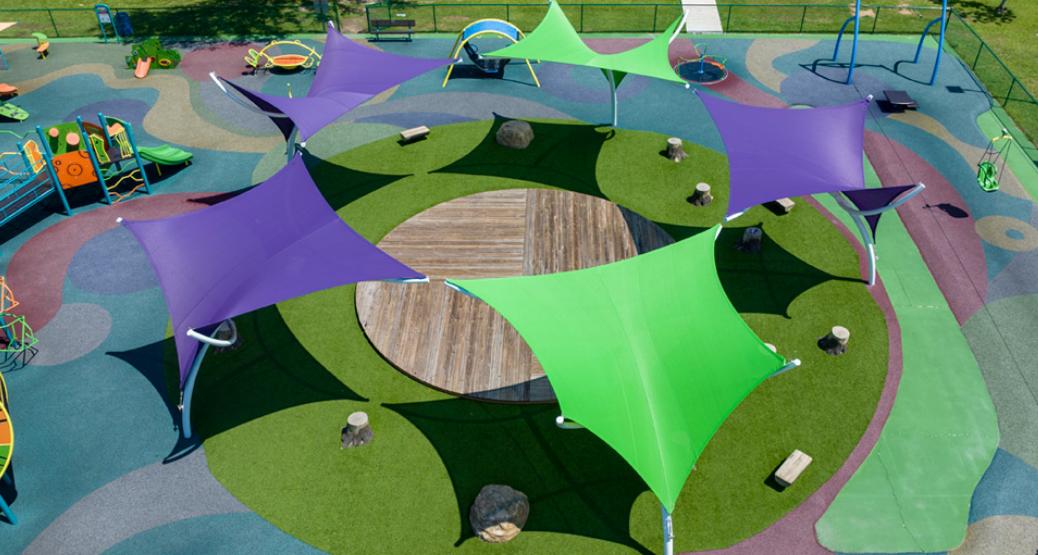
The fabric is available in a wide array of colors, allowing for vibrant choices that complement the specific theme of a site—whether it be an energetic playground or a serene waterfront park.
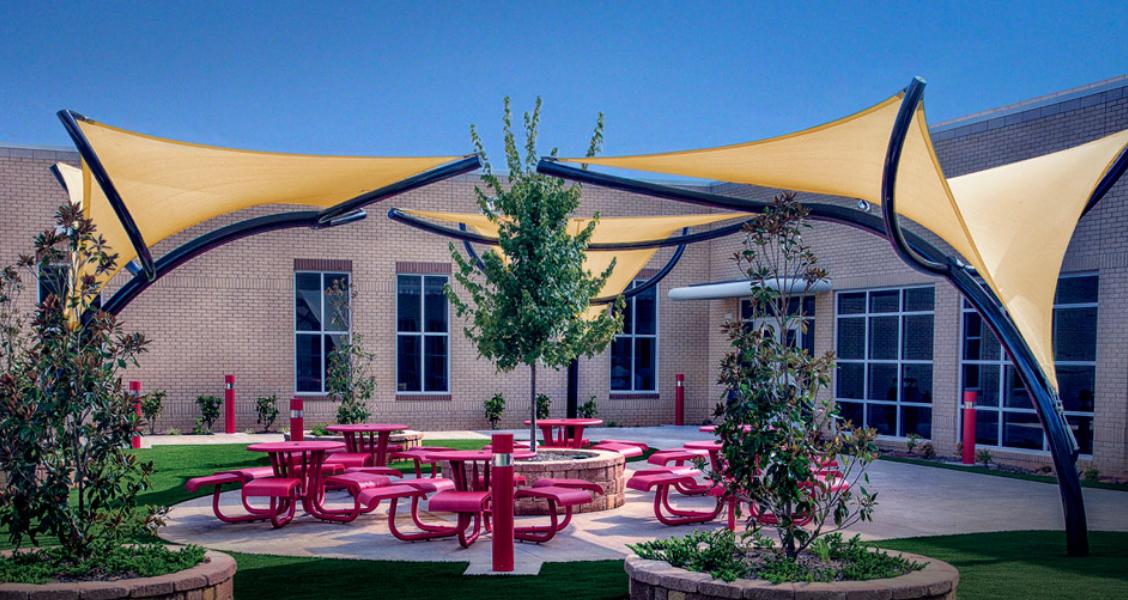
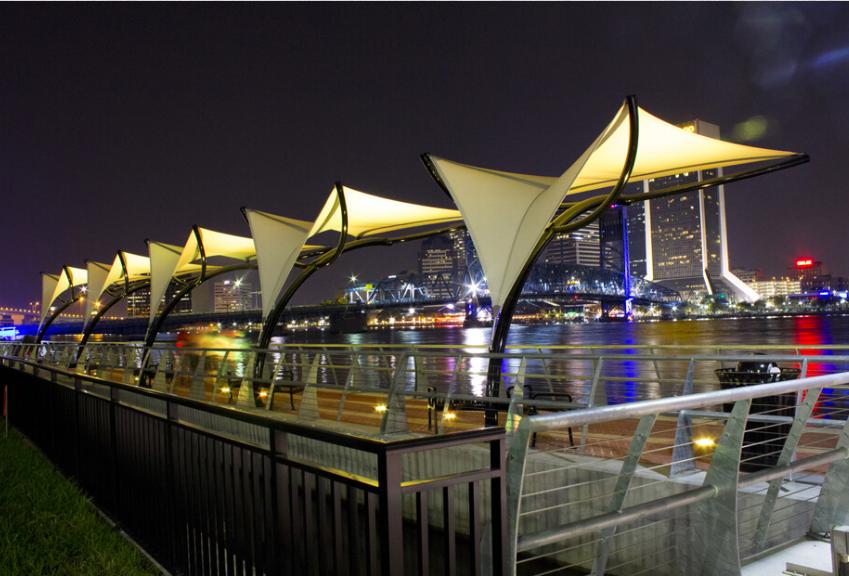
The membrane is secured using stainless-steel fastening hardware, which allows for easy disassembly and reinstallation. This facilitates cleaning or fabric replacement, effectively extending the service life of the entire installation. The ingenuity of this tensile structure is further reflected in its dual-mode performance across day and night. By day, the undulating, expansive membrane serves as a landscape feature in its own right; sunlight filters through the mesh, casting dynamic, radiating patterns of light and shadow upon the ground. At night, integrated lighting—powered via pre-installed electrical connections—diffuses through the fabric, transforming what was a daytime shading element into an illuminated installation. This extends the site’s atmospheric quality and prolongs the hours during which the public space can be enjoyed.
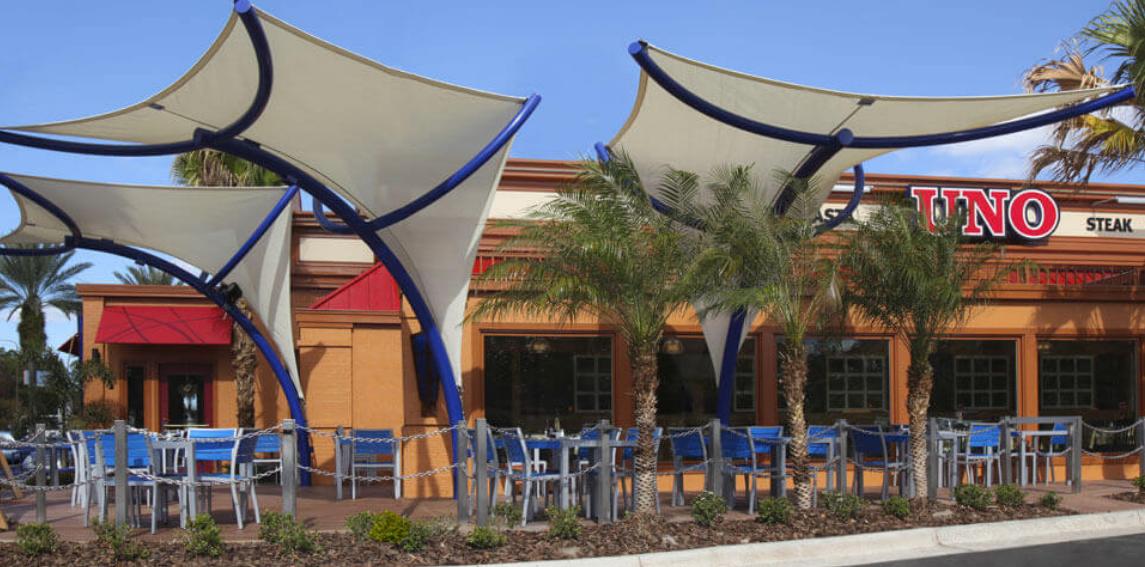
In the planning of many outdoor spaces, seating and play equipment are typically prioritized, with shading often relegated to an afterthought. This sculptural, radial tensile structure introduces a fresh design perspective: shading can—and should—be integrated as early as the initial conceptual phase.
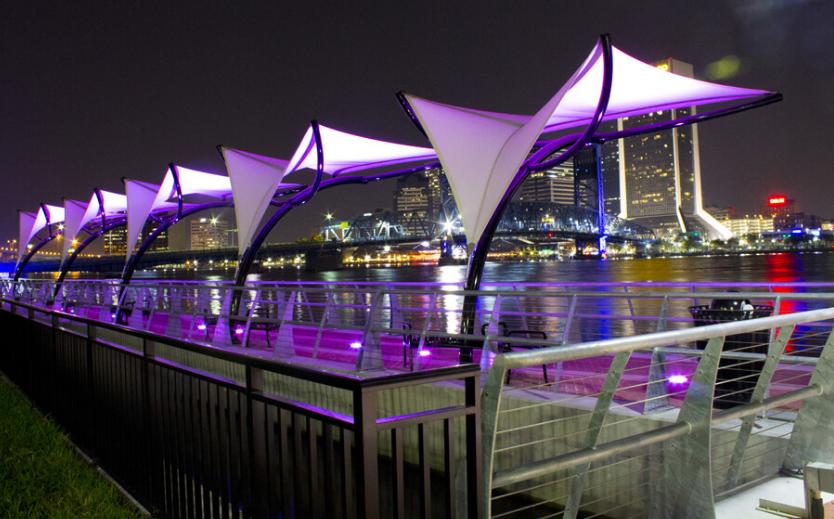
Balancing sun protection, ventilation, and structural integrity, the design also possesses a compelling narrative quality. Through a single, unified tensile system, it simultaneously addresses the needs for physical protection, spatial definition, and atmospheric curation—offering a solution for contemporary public outdoor spaces where functionality and aesthetics coexist.