Design Services



How Fire Protection Is Designed for Coal Air Dome
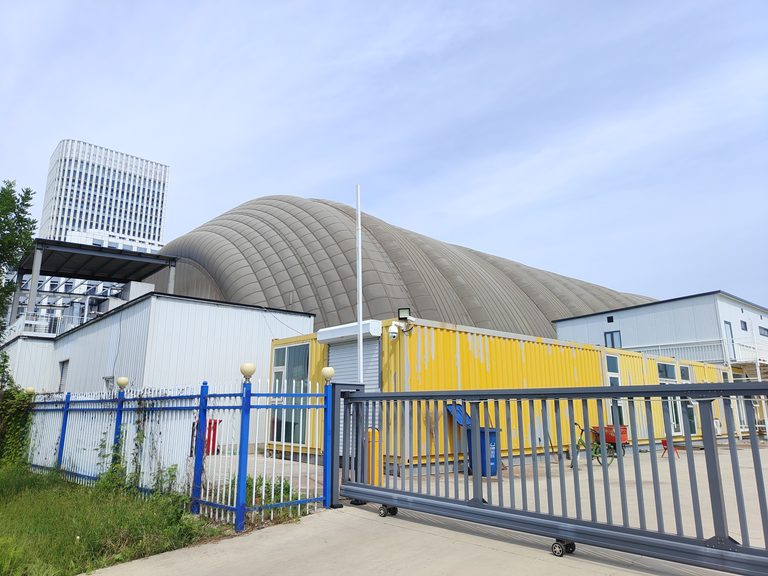
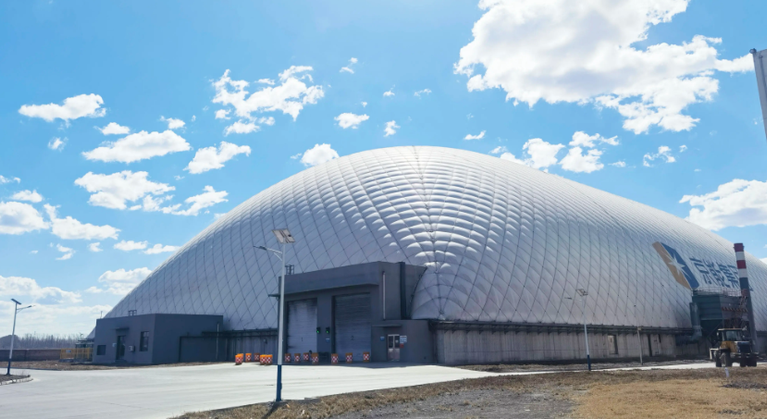
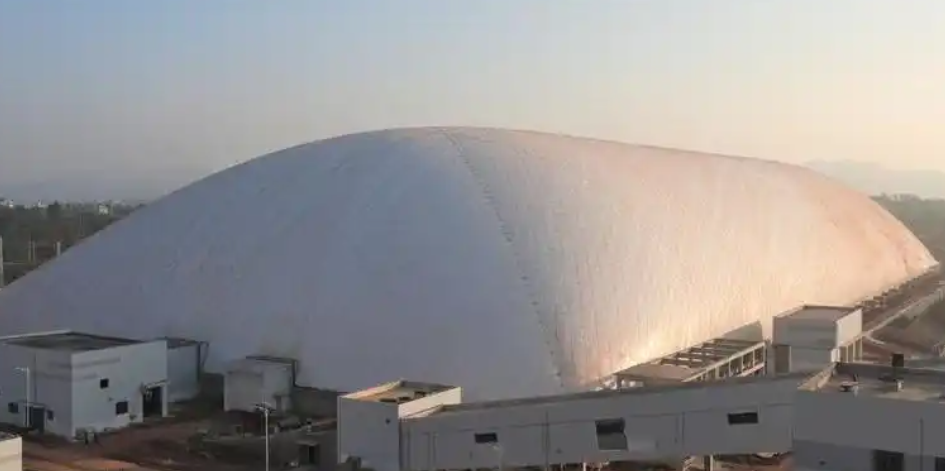
Air-supported coal storage structures represent a new type of facility for coal storage. Highly favored in the market, they offer benefits such as airtightness, thermal insulation, moisture resistance, and fire protection. However, because coal storage can lead to the accumulation of flammable gases—such as methane and carbon dioxide—as well as combustible dust, specific fire safety measures are essential to ensure the security of these structures.
- Intelligent Monitoring Systems
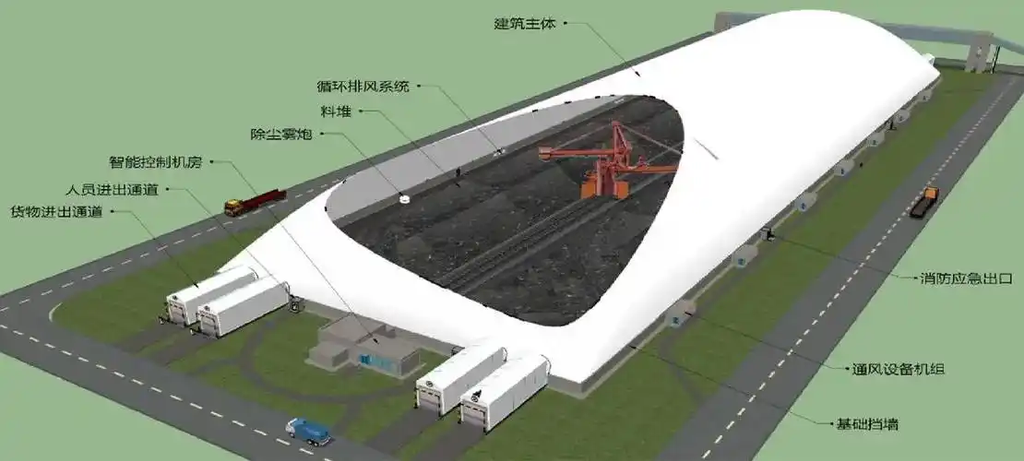
To ensure fire safety, air-supported coal storage structures are equipped with intelligent control systems. These systems monitor internal dust concentrations and temperatures in real time. If levels exceed safe thresholds, the system automatically activates a water-mist fire suppression mechanism, which reduces and suppresses dust to eliminate potential ignition sources.
- Electric Pressure-Relief Vents
Electric pressure-relief vents are a critical component of the fire safety design. When the intelligent control system detects excessive concentrations of carbon dioxide or methane, it triggers these vents. The gases are then expelled through designated exhaust ports located at the top of the structure, preventing safety incidents such as gas explosions.
- Emergency Exits and Backup Power Supplies
Depending on the size of the facility, air-supported coal storage structures must also incorporate adequate emergency exits and backup power systems. Emergency exits provide a means of escape during an incident, ensuring the safety of personnel. Backup power supplies ensure the continued, proper operation of the facility in the event of a power failure, allowing it to remain functional during emergencies.
- 24-Hour Monitoring and Remote Operation
Beyond managing fire risks, these structures are designed to ensure safe, continuous operation under normal conditions. Capable of functioning without on-site personnel, they feature 24-hour automated monitoring, fully autonomous operation, fault alerts, and automatic failover systems. Through remote, internet-based control, operators can monitor the facility’s status in real time, ensuring the safe and reliable storage of coal. Through rigorous design and construction, air-supported coal storage structures can fully comply with national fire safety standards, ensuring a smooth inspection and acceptance process. The implementation and refinement of these measures effectively guarantee fire safety for such facilities, providing robust support for coal mine operations.
If you are interested in innovative architectural spaces and membrane structures, we invite you to follow us and engage in further discussion with the team at Zhongke Membrane Structures.