Design Services
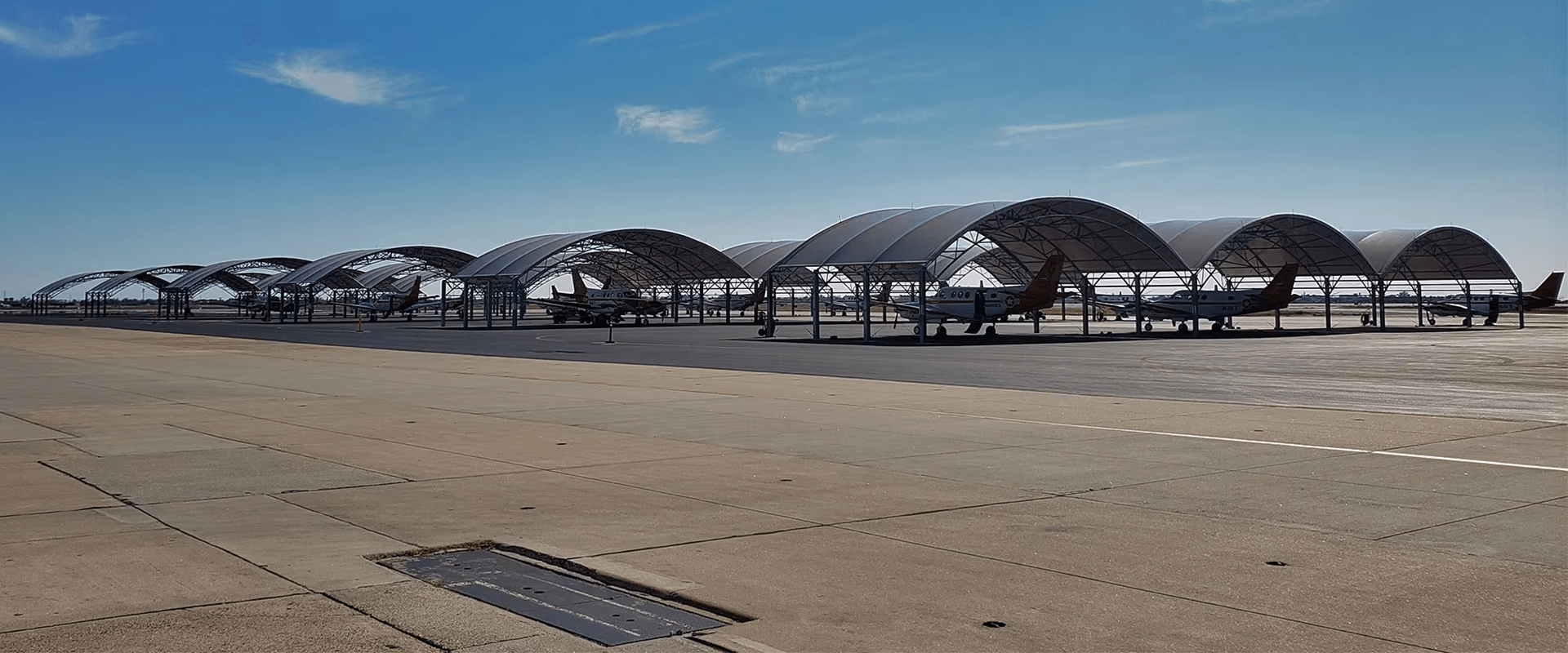
Rot-Proof HDPE Mesh Canopies for River & Wetland Parks
Urban riverside walkways, lakeside landscape zones, wetland parks, and waterfront platforms serve as key recreational spaces for the public—yet they are also the areas where landscape features are most difficult to maintain.

In environments characterized by persistent high humidity, exposure to water vapor from lakes, daily condensation cycles, and strong winds, conventional shading fabrics, low-quality mesh, and wooden landscape elements are highly susceptible to mold, rot, sagging, and deformation. Within just a year or two, these materials often become discolored, grimy, damaged, or detached. This not only compromises the clean, open aesthetic of the waterfront but also necessitates frequent renovation and maintenance, placing a significant burden on municipal operations. To create a waterfront landscape that remains beautiful, durable, and low-maintenance over the long term, selecting materials with superior moisture and mold resistance is essential.

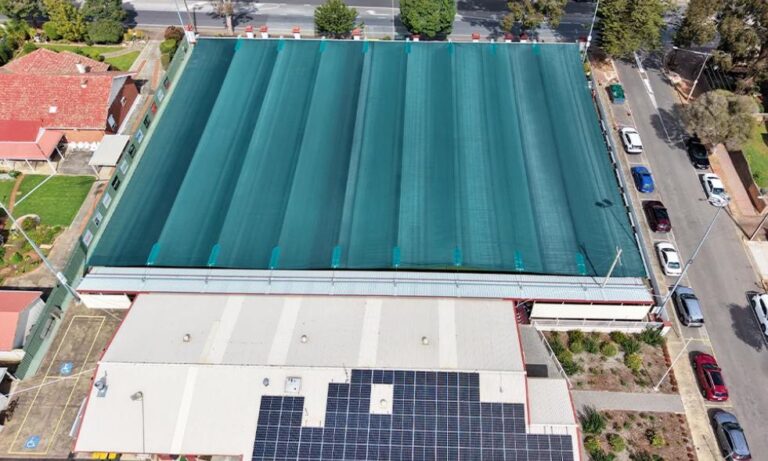
HDPE (high-density polyethylene) mesh membranes, specifically engineered for landscape applications, are exceptionally well-suited for waterfront environments, effectively resolving common issues such as rot, mold, and premature aging in waterside installations.

HDPE is inherently hydrophobic and moisture-resistant; it does not absorb or retain water. This prevents moisture from the lake surface from penetrating or accumulating, ensuring the membrane remains dry and airy. By eliminating the root causes of mold, staining, and decay, it is perfectly suited for high-humidity settings, including wetlands, lakes, rivers, and coastal areas. Unlike soft fabrics that may slacken or sag when exposed to moisture, HDPE mesh membranes maintain stable structural tension—they do not deform or droop, ensuring a consistently smooth and crisp appearance year-round.

Waterfront landscapes are designed to offer an open, airy visual experience. Traditional solid roofing structures can feel heavy and oppressive, disrupting the visual connection between the water’s edge and the surrounding greenery, and undermining the relaxed atmosphere of the waterfront.

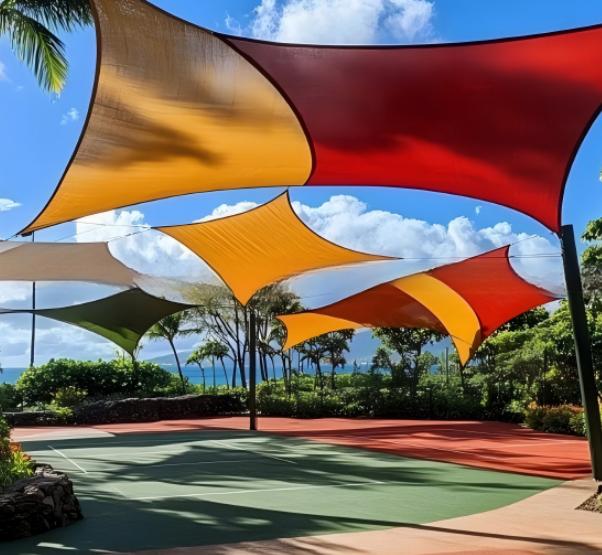
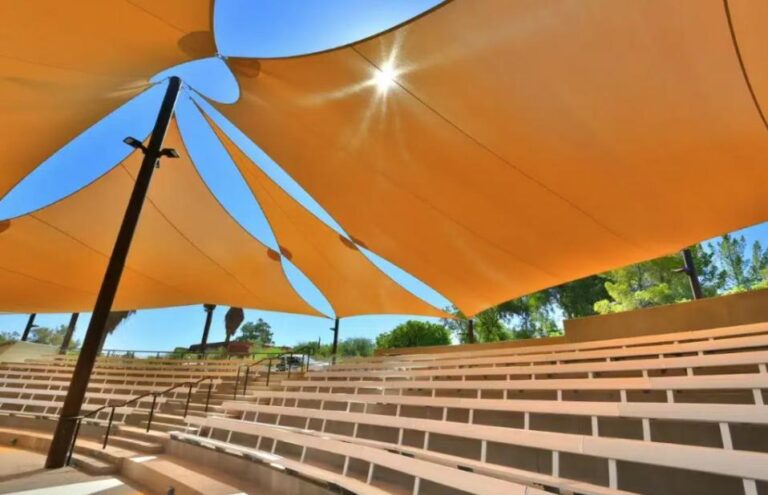
With its delicate, open-mesh texture, the HDPE mesh membrane allows for optimal airflow and light transmission. When viewed from a waterfront platform, the landscape remains unobstructed and cohesive, perfectly preserving the airy, expansive aesthetic of the waterfront space. Providing moderate shading and cooling, this solution addresses the issue of intense sun exposure and heat along waterfront walkways during the summer, significantly enhancing the experience for citizens as they stroll, take in the views, or relax by the water.

With excellent resistance to UV radiation and moisture-induced degradation, the HDPE mesh membrane can withstand year-round direct sunlight, exposure to water vapor, and strong winds—remaining free from fading, chalking, or structural damage over long-term use.

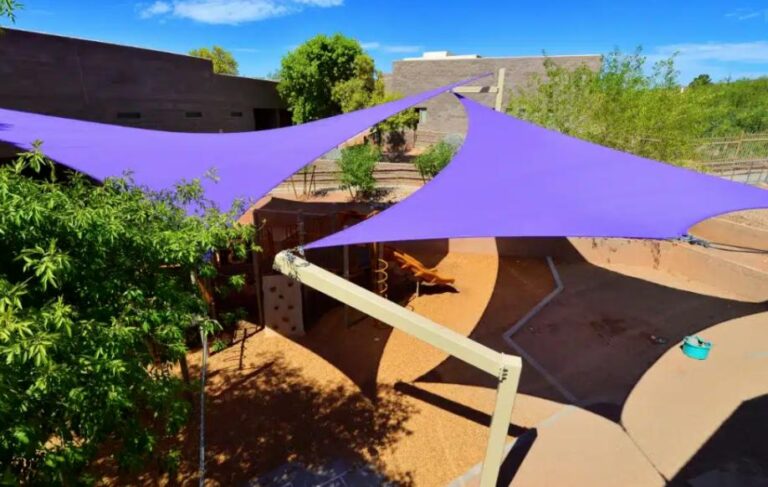
The lightweight, tensioned installation process is ideally suited for waterfront landscape renovations. It eliminates the need for heavy construction, preserves existing vegetation and shoreline features, and allows for the rapid shading and upgrading of walkway structures and waterside platforms. In the refined development of urban waterfront landscapes, the HDPE mesh membrane—valued for its moisture resistance, anti-corrosive properties, aesthetic transparency, and long-lasting, low-maintenance performance—has become a preferred material for the revitalization of river, lake, and wetland landscapes.