Design Services



High-Efficiency ETFE Fire Smoke Venting & Melt Systems
In large-scale public buildings, fire safety is of paramount importance, and fire-smoke exhaust systems serve as a critical component. As an innovative solution for fire-smoke exhaust, the ETFE “fuse” (or thermal-release) system is gaining increasing attention and widespread application.
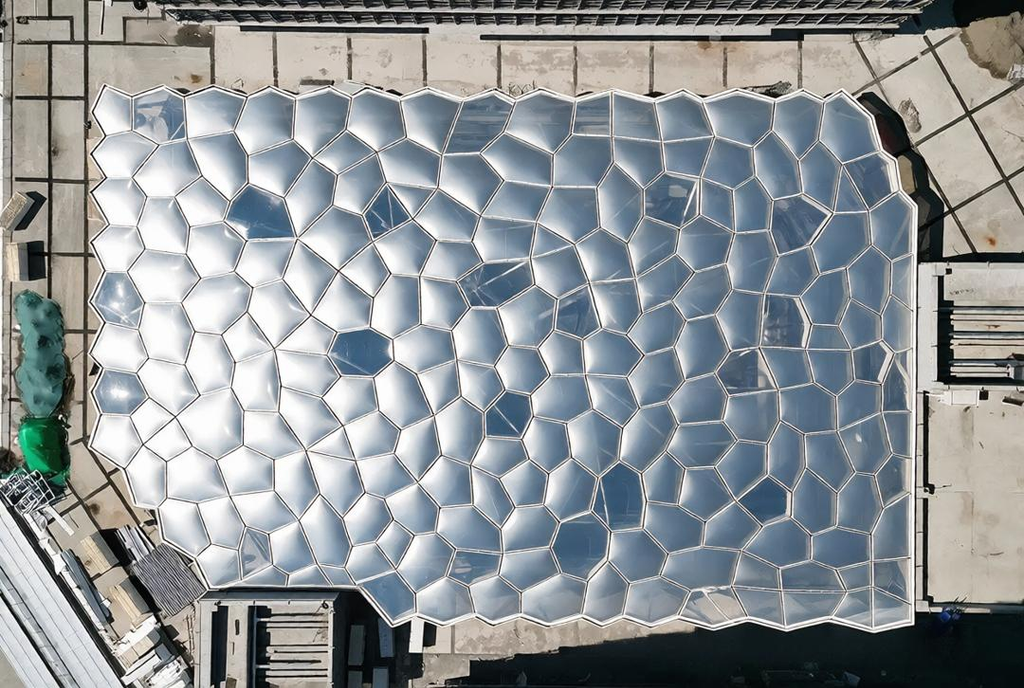
ETFE (ethylene tetrafluoroethylene) has gained prominence in the construction industry due to its exceptional properties, including its lightweight nature, high light transmission, thermal insulation, corrosion resistance, weatherability, and self-cleaning capabilities. ETFE “cushion” systems—consisting of multi-layered, pressurized membranes—are particularly notable. The outer layer of ETFE provides protection against rain, snow, and ultraviolet radiation, while the inner layer (sometimes incorporating PTFE) can enhance thermal insulation, prevent condensation, provide acoustic insulation, and optimize lighting effects. Such systems are frequently employed in structures like the atrium roofs of shopping malls, sports facilities, and cultural venues.
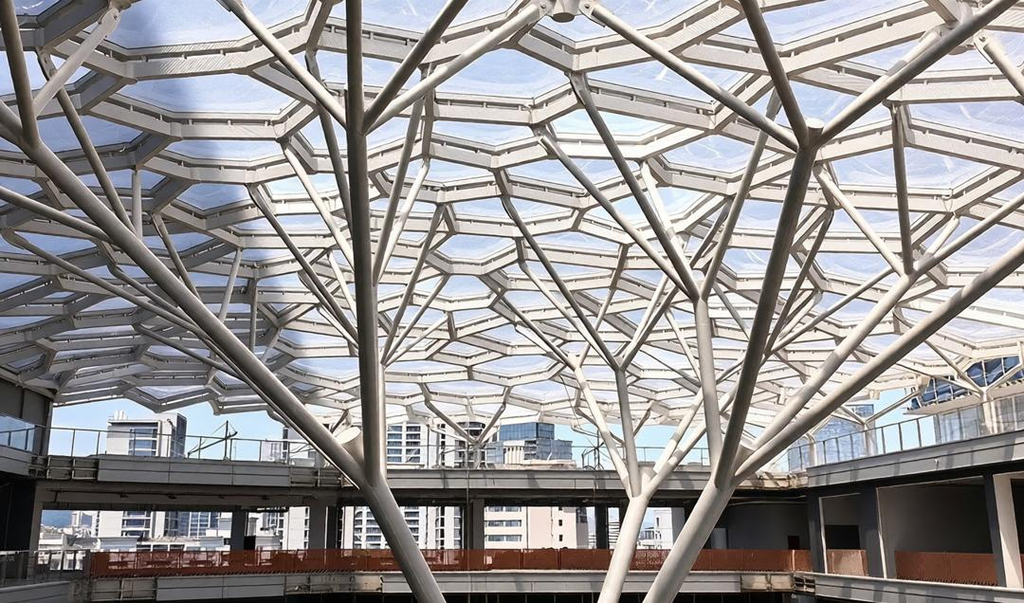
However, because ETFE cushion structures are highly enclosed, they present a significant risk in the event of a fire. The ETFE fuse system was developed to effectively address this challenge.
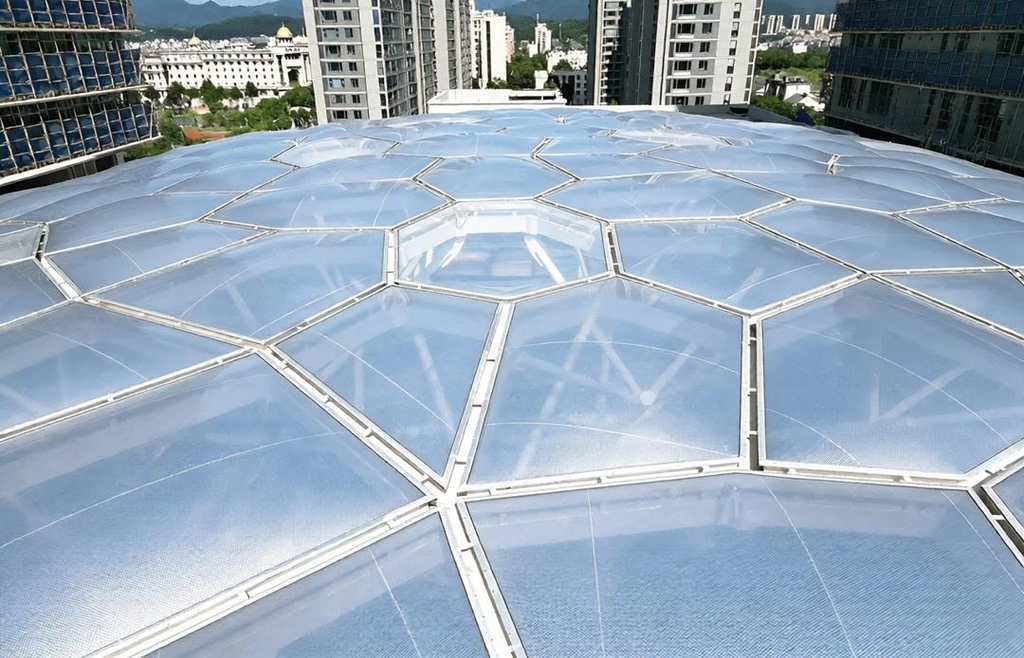
System Operational Mechanism
In the event of a fire, the building’s fire safety protocol is triggered, sending an immediate signal to the ETFE fuse control system. Upon receiving an alarm for fire or smoke, the system activates automatically. The control unit sends an electrical current to heating wires positioned along the edges of the ETFE membrane units. As these wires heat up, they melt the ETFE material along the perimeter. Specifically, all but one side of the membrane’s boundary are designed to melt away; under the influence of gravity, the membrane opens to create an aperture. These openings serve as highly efficient channels for smoke exhaust, effectively clearing smoke from the space.
Technical Features
Efficient Smoke Exhaust with Minimal Damage: The ETFE fuse system provides a rapid and effective means of meeting fire-smoke exhaust requirements. The melting process occurs without the generation of open flames, which significantly minimizes potential damage to the building structure and ensures full compliance with both fire safety and environmental standards. In settings that require a high level of protection for building structures and interior assets—such as museums and art galleries—this specific characteristic of the ETFE emergency venting (melting) system proves particularly valuable.
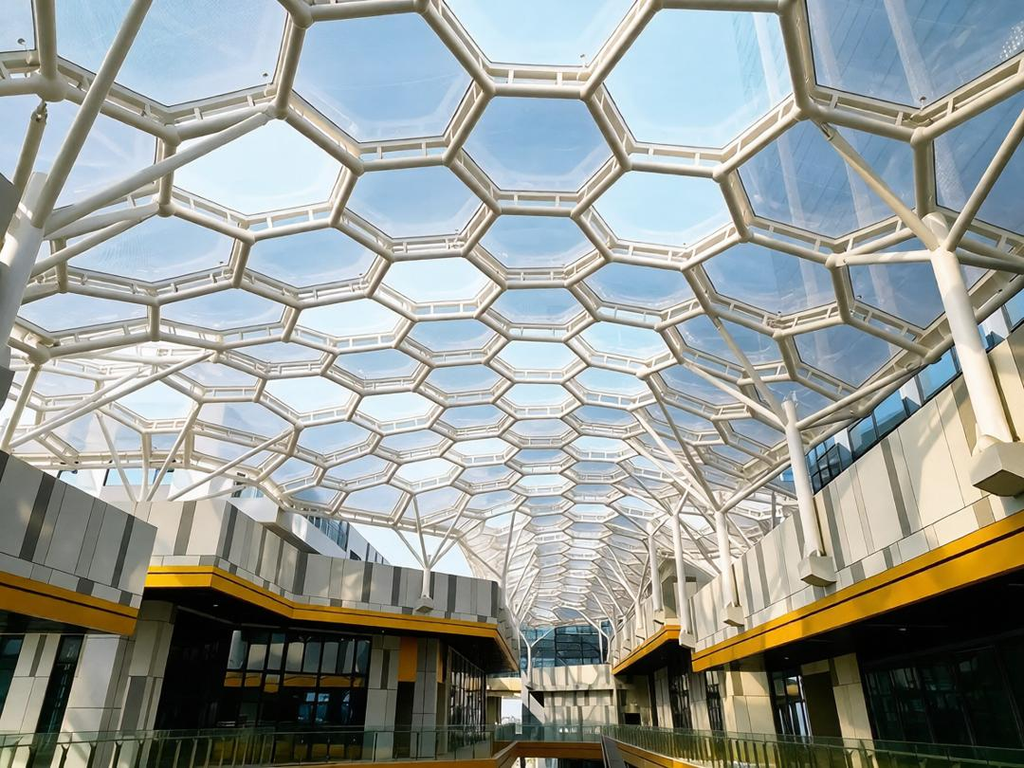
Controllable System Integrity: The system allows for targeted, selective, and phased venting. This is crucial for maintaining control over the integrity of the overall pneumatic cushion (ETFE pillow) system. Furthermore, the controlled venting process facilitates subsequent restoration of the system, leading to significant long-term cost savings.
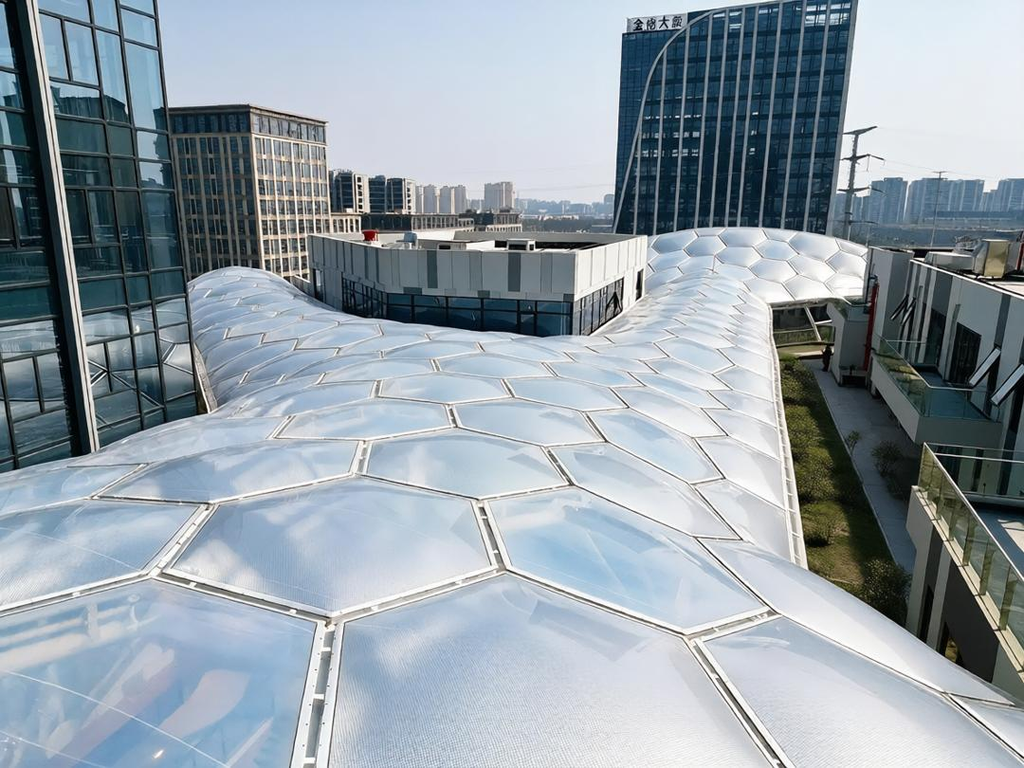
Simple Installation and Rapid Venting: The ETFE venting system is relatively straightforward to install and operates with exceptional speed. In the event of a fire, each batch of pneumatic cushions can be vented in under 60 seconds, rapidly creating open areas for smoke exhaust. Additionally, the power consumption for each venting batch is kept below 120 kW, ensuring high energy efficiency—a major advantage for building projects with limited power supply or strict energy-use constraints.
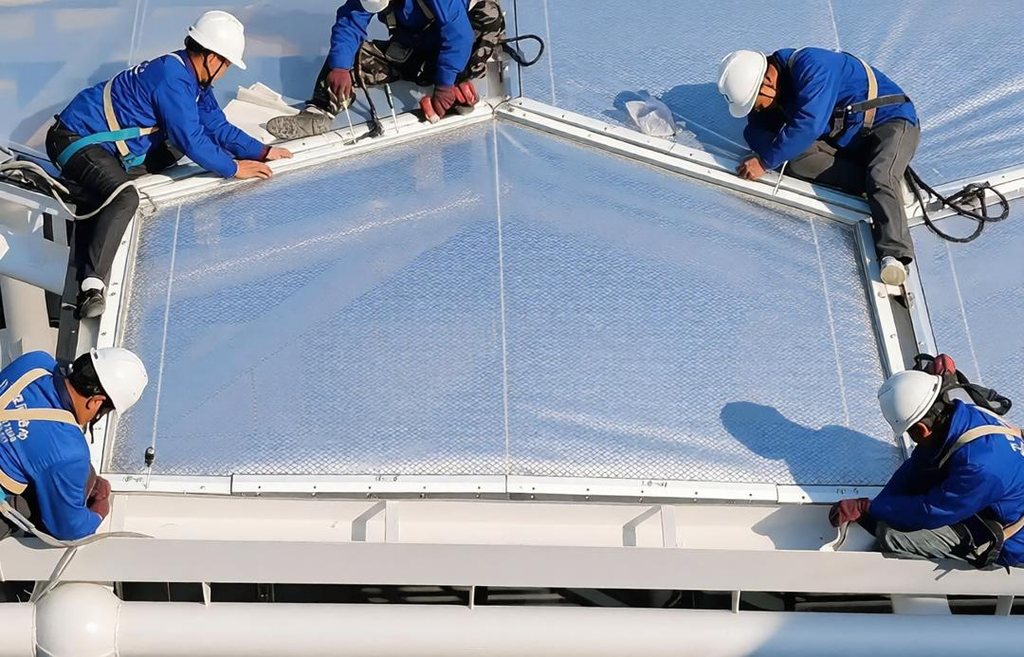
Visualization and Manual Control: The entire venting process is fully visible, allowing for real-time monitoring from a control room and effectively preventing technical issues such as short circuits. The system also supports manual activation; in specific scenarios—such as a failure in the automatic alarm system—on-site personnel can manually trigger the venting system upon detecting a fire hazard, further enhancing safety.

The ETFE emergency venting system offers an efficient, eco-friendly, and reliable smoke-exhaust solution for modern building fire safety. As construction technology continues to evolve, the ETFE venting system is poised for broader application across various types of building projects. It provides a robust safeguard for life and property, while simultaneously fostering greater diversity and innovation in architectural design. Looking ahead, the ETFE venting system is expected to undergo further optimization and upgrades, playing an increasingly vital role in the field of building fire safety.