Design Services


Principles and Characteristics of Inflatable Membrane Structures
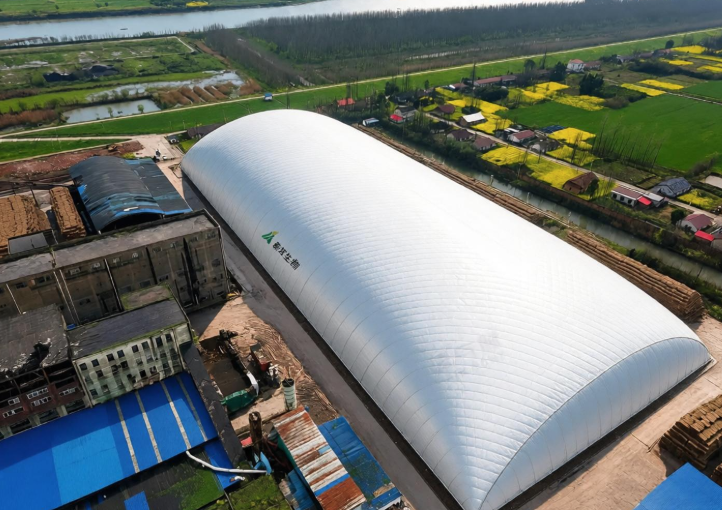
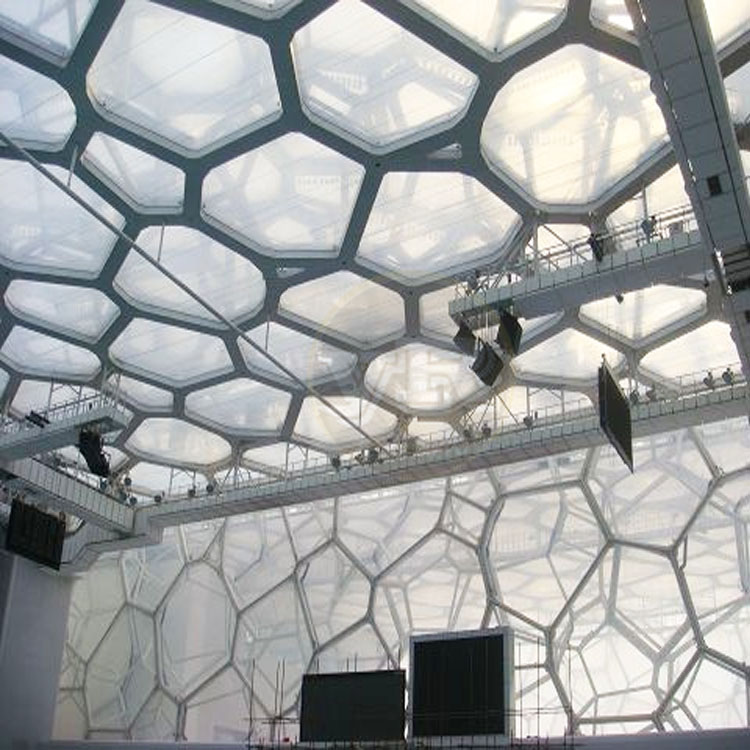
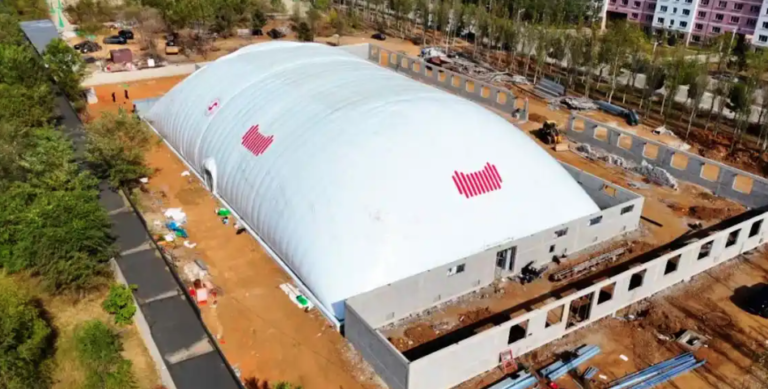
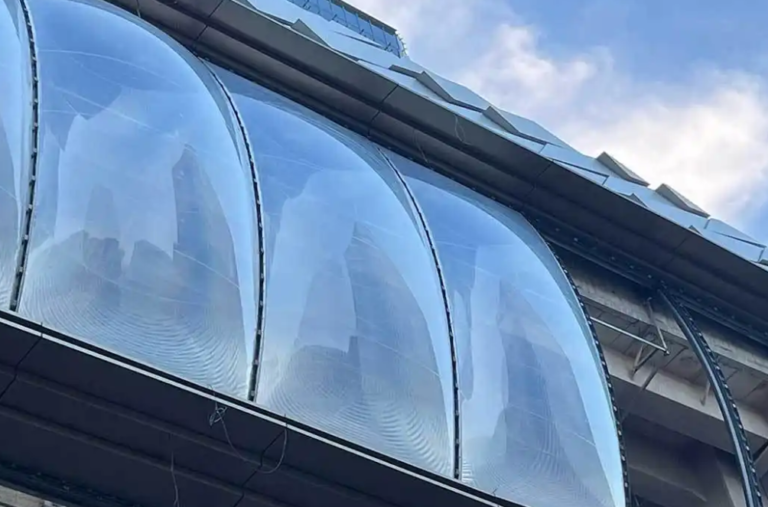
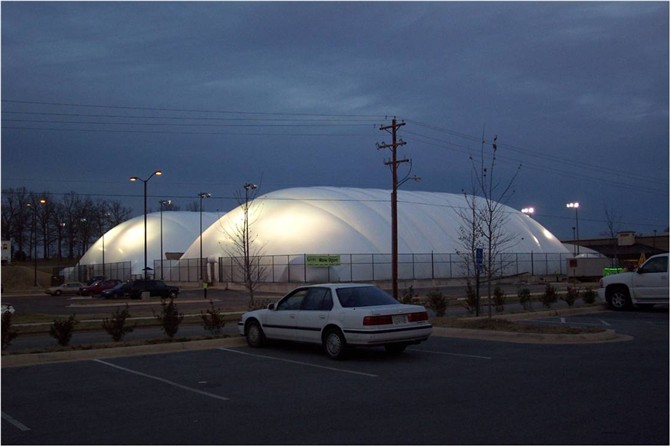
Inflatable membrane structures represent a modern architectural form that achieves a stable structural shape by pressurizing a membrane material through inflation. These structures are widely used across various sectors, including sports venues, exhibition halls, and agricultural facilities. This article explores the principles and characteristics of inflatable membrane structures to provide readers with a better understanding of this innovative architectural system.
I. Principles of Inflatable Membrane Structures
The principles behind inflatable membrane structures are primarily rooted in aerostatics and aerodynamics. When the membrane material is inflated, it is subjected to internal pressure, which gives it a specific shape and load-bearing capacity. Because these structures utilize lightweight membrane materials, they offer excellent flexibility and adaptability, allowing for design and construction tailored to specific requirements and site conditions.
II. Characteristics of Inflatable Membrane Structures
- Lightweight and High-Strength
Inflatable membrane structures employ lightweight materials that possess remarkable strength and load-bearing capacity. Furthermore, since they rely on air pressure for structural support, they eliminate the need for traditional support frameworks, significantly reducing both the structure’s self-weight and material costs.
- High Adaptability
These structures are highly adaptable and can be designed and built to suit diverse needs and site conditions. They are capable of accommodating various terrains and climates—from deserts and grasslands to mountainous regions. Additionally, they can be easily dismantled and relocated, offering great convenience and efficiency.
- Energy-Efficient and Eco-Friendly
Inflatable membrane structures utilize recyclable membrane materials, making them environmentally friendly. Moreover, because they rely on air pressure for support, they often negate the need for conventional heating and cooling systems, leading to a substantial reduction in energy consumption and carbon emissions.
- Simple Construction
The construction process for inflatable membrane structures is straightforward, requiring neither heavy machinery nor complex technical procedures. By utilizing air pressure for structural integrity rather than traditional support frameworks, the complexity and cost of construction are significantly minimized.
- Broad Range of Applications
Inflatable membrane structures are used extensively across many fields, such as sports venues, exhibition halls, and agricultural facilities. They serve a variety of architectural functions and purposes, including providing enclosures, shading, and protection from the elements. Furthermore, because the system utilizes recyclable membrane materials, components can be easily replaced or upgraded, ensuring excellent sustainability and maintainability.
III. Key Design Points for Inflatable Membrane Structures
- Structural Design
The design of an inflatable membrane structure must be determined based on specific requirements and site conditions. The structural design should account for the interaction between the air-pressure-based load-bearing mechanism and any traditional supporting structures, as well as the impact of external loads such as wind and snow. Additionally, factors such as the strength, stiffness, and durability of the membrane materials must be considered.
- Air-Pressure System Design
The air-pressure system is a critical component of an inflatable membrane structure, comprising elements such as air ducts, control equipment, and pressure-regulation devices. The design of this system must prioritize safety and stability, while also addressing energy consumption, cost-effectiveness, and long-term maintenance and servicing requirements.
- Ventilation Design
Ventilation design is a vital aspect of inflatable membrane structures, primarily serving to regulate internal temperature and humidity. This design process must take into account external climatic conditions, internal environmental requirements, and goals related to energy conservation and environmental protection. Furthermore, potential issues such as noise and vibration generated by the ventilation system must be addressed.
- Seismic Design
Seismic design is another essential component of inflatable membrane structures, intended to mitigate the impact of natural disasters such as earthquakes. This design process must consider factors including seismic intensity, site conditions, and the intended functional use of the structure. Additionally, the reliability and cost-effectiveness of the seismic protection system must be evaluated.