Design Services

Dim Stadium Membrane Roof? Pick Fabrics for Daylighting
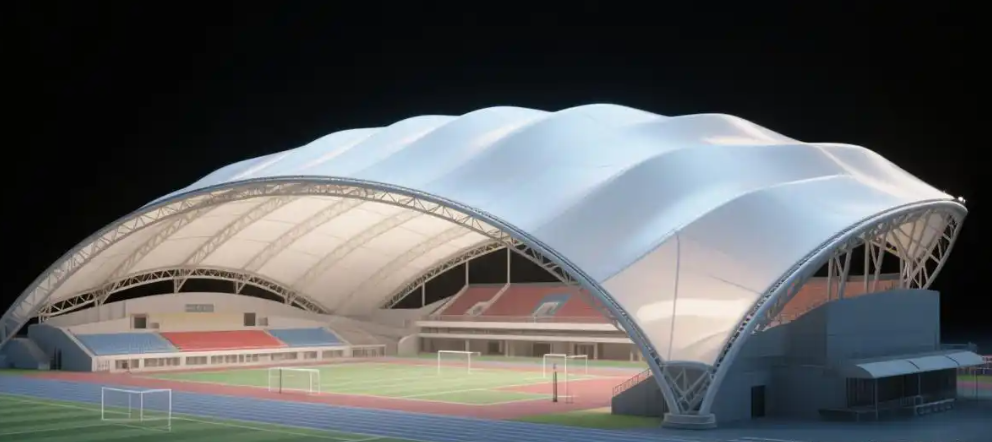
In the construction of sports venues, membrane structures are increasingly favored for their unique forms and excellent performance. However, many venues struggle with poor light transmission in their membrane structures, necessitating the use of artificial lighting even during the day. This not only increases energy consumption but also compromises the quality of natural illumination and the overall user experience. In fact, this issue is easily addressed—the key lies in selecting the right membrane material. Today, we will explore how choosing the appropriate material can allow sports venues to be bathed in natural light during the day, eliminating the need for artificial lighting.
I. Why Is the Light Transmission of Membrane Materials Important?
For sports venues—which serve as hubs for athletic activities, competitions, and leisure—effective natural lighting is essential. Abundant natural light creates a bright, comfortable environment while significantly reducing electricity consumption, aligning with the principles of sustainability and environmental protection. Furthermore, natural light offers numerous health benefits, helping individuals feel more energized and positive while exercising. As the primary covering material for sports venues, the membrane structure directly determines the amount of natural light that enters the space. Consequently, selecting a material with high light transmission is of critical importance.
II. Light Transmission Characteristics of Common Membrane Materials
- ETFE Membrane: The Gold Standard for Light Transmission
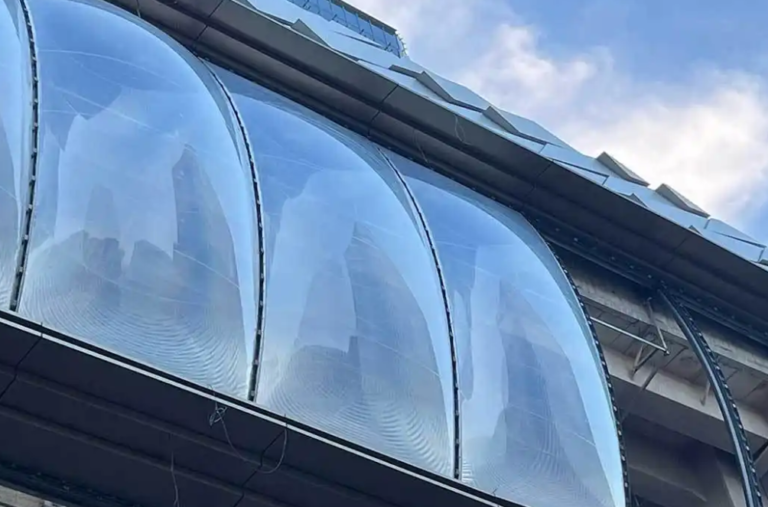
ETFE (ethylene-tetrafluoroethylene copolymer) is a material with exceptional light transmission, capable of achieving a light transmission rate of over 90%—nearly matching that of glass. Beyond its high transparency, ETFE provides excellent light diffusion, ensuring that light is distributed evenly throughout the venue. This prevents glare and creates a comfortable visual environment for both athletes and spectators. Additionally, ETFE is lightweight, high-strength, weather-resistant, and self-cleaning, making it an ideal choice for large-scale sports facilities, such as swimming centers, where high light transmission is required. A prime example is the National Aquatics Center, or “Water Cube,” which utilizes an ETFE membrane; its distinctive bubble-like structure not only gives the building a unique aesthetic but also ensures an abundance of natural light within the facility. 2. PTFE Membrane Material — A Balance Between Light Transmission and Durability
PTFE (polytetrafluoroethylene) membrane material offers a light transmission rate of approximately 10%–20%. While this is lower than that of ETFE, PTFE excels in durability and corrosion resistance, boasting a service life of 20 to 30 years or more. Its light-transmitting properties create a diffuse effect, allowing light to enter the venue softly and reducing the discomfort caused by direct, intense glare. Furthermore, it provides good thermal insulation, helping to regulate the internal temperature of the venue and thereby reducing heating and cooling costs. This material is well-suited for sports facilities that require a balance of light transmission and durability, such as tennis courts and basketball courts.
- PVDF Membrane Material — An Economical and Practical Choice
PVDF (polyvinylidene fluoride) membrane material typically has a light transmission rate of 5%–15%. Although this is relatively low, the material offers advantages such as affordability, ease of installation, and simple maintenance. The coating on the surface of PVDF membranes provides excellent resistance to soiling and ultraviolet (UV) radiation, which effectively extends the material’s service life. While its light transmission is not as high as that of the other two types, PVDF remains an economical and practical choice for sports venues with less stringent natural lighting requirements, such as small gyms or community sports centers.
III. How to Choose the Right Membrane Material?
- Based on the Functional Requirements of the Venue
Different sports venues serve different functions, leading to varying requirements for light transmission. For instance, swimming pools require ample natural light to help maintain water temperature while avoiding glare that could affect athletes; therefore, ETFE membranes—which offer high light transmission and a diffuse effect—are an ideal choice. For basketball or tennis courts, where uniform lighting is essential, PTFE membranes are a strong option. For smaller community sports centers, where cost is a primary consideration, PVDF membranes may be the most appropriate choice.
- Considering Local Climatic Conditions
Local climatic conditions are another critical factor to consider when selecting a membrane material. In regions with abundant sunlight and high levels of ultraviolet (UV) radiation, it is advisable to select membrane materials with excellent weather resistance and UV stability, such as ETFE or PTFE. In areas prone to strong winds or heavy rainfall, the material’s structural strength and resistance to these elements must be prioritized; ETFE, in particular, excels in adverse weather conditions due to its lightweight yet high-strength properties.
- Budget Considerations
The costs of membrane materials vary significantly: ETFE is generally the most expensive, followed by PTFE, while PVDF is relatively more affordable. When selecting a material, it is essential to align the choice with the project’s budget, ensuring that the selected membrane offers the best value while meeting all functional and performance requirements for the venue.
The challenge of light transmission in stadium membrane structures can be effectively addressed by choosing the right material. Each type—whether ETFE, PTFE, or PVDF—possesses unique characteristics suited to different venue requirements and scenarios. During the development of a sports facility, one should carefully evaluate the venue’s intended function, local climatic conditions, and budget. By selecting the most appropriate membrane material, a stadium can harness natural daylight—eliminating the need for artificial lighting during the day—thereby achieving both energy efficiency and a more comfortable environment.
If you are currently planning or constructing a sports facility and have questions regarding the selection of membrane materials, please feel free to reach out to us. We are ready to provide professional solutions to help you create a brighter, greener, and more comfortable sports venue.