Design Services


Types and Characteristics of Air-Supported Badminton Halls
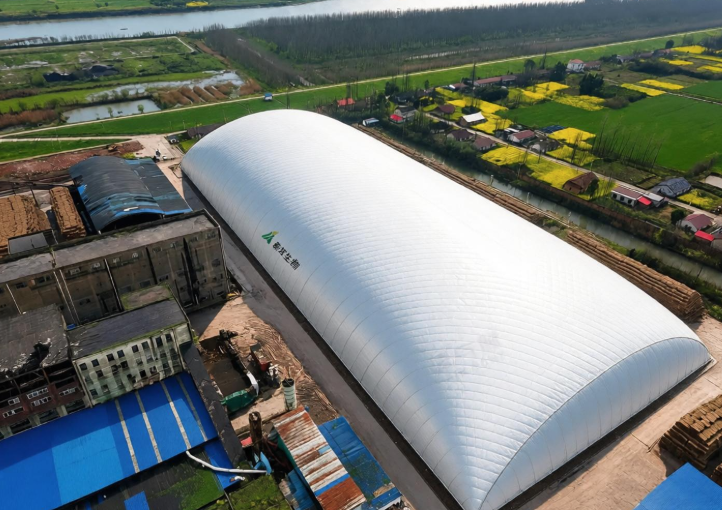
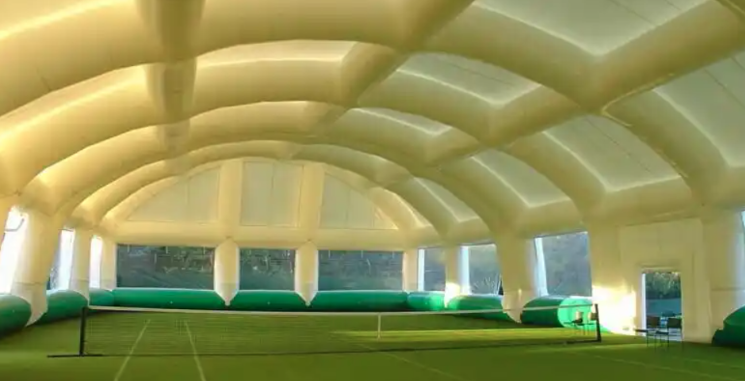
As an emerging type of sports facility, air-supported (inflatable membrane) badminton halls have gained popularity among badminton enthusiasts in recent years. Utilizing an inflatable membrane structure, these venues offer advantages such as dust protection, constant temperature control, and environmental friendliness. So, what types of air-supported badminton halls are currently common on the market, and what are their respective characteristics?
I. Commercial Air-Supported Badminton Halls
Typically located in core urban areas or near commercial complexes, these venues are open to the general public. They usually feature multiple standard-sized courts and provide supporting amenities, such as lounge areas, changing rooms, and lockers. For instance, air-supported venues situated within large shopping malls or sports industrial parks often integrate other services—like dining or fitness facilities—to create a comprehensive sports space. Their key features include flexible court availability and on-demand booking, making them well-suited for casual daily exercise and small-scale tournaments.
II. School and Community Air-Supported Badminton Halls
Schools, universities, and residential communities often construct air-supported venues to serve students, faculty, and local residents. These facilities are generally moderate in scale and operate on a non-profit or low-fee basis, prioritizing practicality and accessibility. For example, some primary and secondary schools use air-supported halls to address a shortage of outdoor space, while community-based halls serve as convenient spots for residents’ daily workouts. These venues offer stable access at affordable prices and are frequently integrated with campus sports activities or community fitness programs.
III. Corporate-Owned Air-Supported Badminton Halls
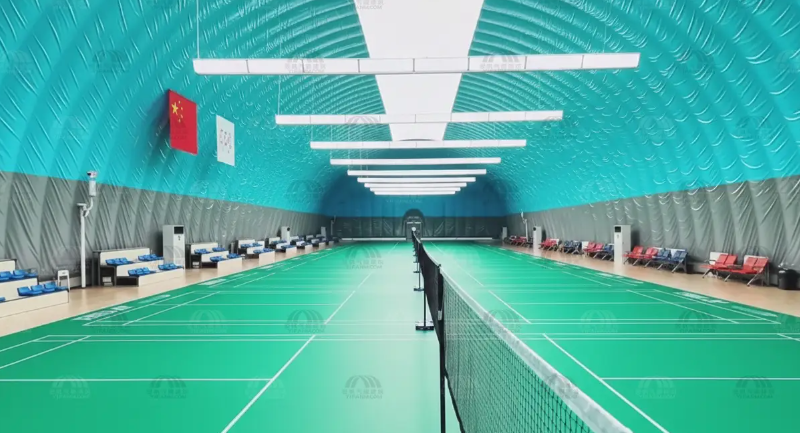
Some large enterprises or companies build exclusive sports facilities for their employees, often located within high-tech or industrial parks. These venues are primarily for internal use and are equipped with professional-grade lighting, ventilation systems, and sometimes even tournament-standard badminton courts. For example, air-supported halls at internet companies or technology parks often serve as an employee benefit and a space for team-building activities. They are highly customizable, allowing for functional zoning tailored to the company’s specific needs, and can even blend sports facilities with office or workspace areas.
IV. Multi-Sport Air-Supported Complexes
Some air-supported venues integrate a variety of sports functions, accommodating multiple activities—such as badminton, basketball, and table tennis—within a single facility. These types of facilities are generally large in scale with flexible interior layouts, making them well-suited for hosting a variety of sports activities. For instance, some “air-supported sports centers” found in cities incorporate not only badminton courts but also features like climbing walls and fitness areas, creating a one-stop destination for sports and leisure. Their primary strength lies in their multi-functional nature, catering to the diverse needs of various sports enthusiasts.
V. Outdoor Air-Supported Badminton Facilities
Designed to adapt to different climates, these outdoor air-supported facilities utilize specialized materials capable of withstanding elements such as rain, snow, and high temperatures. Typically constructed in open-air settings, they allow for natural lighting and ventilation—an ideal choice for those who prefer an open environment. For example, air-supported structures located within scenic areas or sports parks serve a dual purpose: they provide space for physical activity while also integrating into the outdoor landscape. They are characterized by their seamless blend with the natural environment and their expansive, open feel, making them perfect for family leisure and parent-child activities.
Tips for Choosing an Air-Supported Badminton Facility
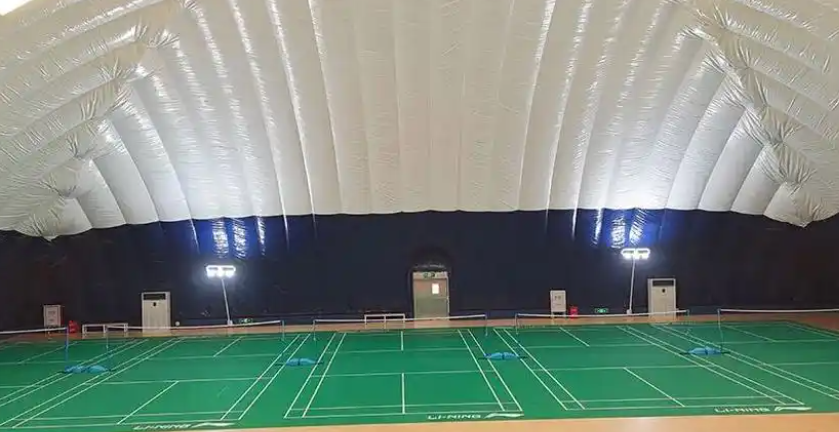
When selecting an air-supported badminton facility, consider factors such as the number of courts, pricing, location, and available amenities. For commercial venues, check how convenient the booking process is; for community or corporate facilities, look into operating hours and membership perks. Additionally, the reliability of the ventilation and climate control systems is crucial, as these directly impact your overall sporting experience.
While there are various types of air-supported badminton facilities, their core advantages remain a comfortable environment and a flexible spatial design. Whether you are engaging in daily exercise or professional training, finding the right facility will help you better enjoy the sport of badminton.