Design Services
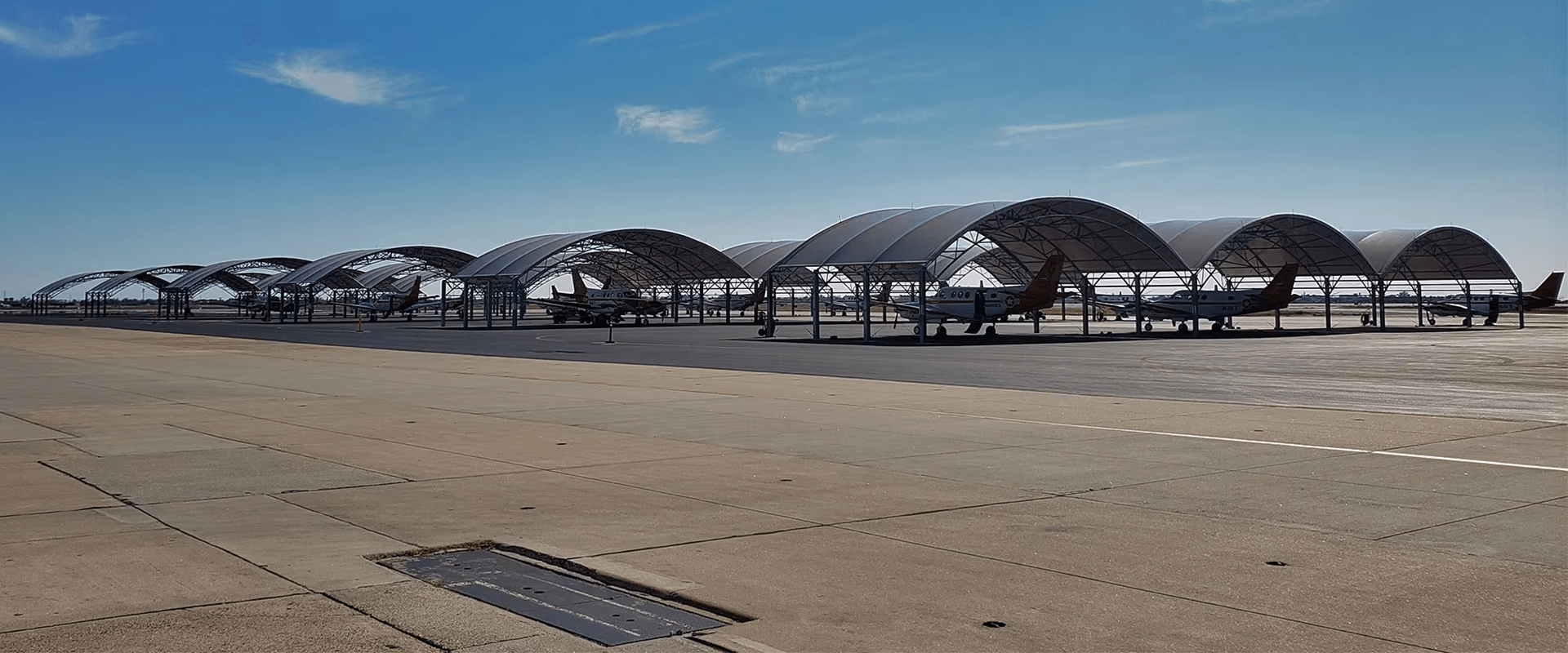
Architectural Shading Membrane Material — HDPE Impermeable
HDPE membrane—also known as high-density polyethylene membrane, HDPE geomembrane, or HDPE impermeable membrane—is a material designed to prevent seepage.

Although HDPE impermeable membranes were introduced as early as 1969, they did not see widespread application until they were introduced to my country in 1980. The 2005 incident involving the use of an “impermeable membrane” on the lakebed of the Old Summer Palace (Yuanmingyuan) sparked unprecedented public concern regarding urban ecology, leading to a heightened awareness of environmental issues. Subsequently, HDPE membranes became a standard material for environmental protection. In my country, production bases for HDPE membranes are primarily concentrated in the developed cities of the East China region.

Characteristics:
1. High Impermeability — These membranes offer a level of seepage resistance unmatched by conventional waterproofing materials. HDPE membranes possess high tensile strength and excellent elasticity and deformation capacity, making them highly suitable for substrates prone to expansion or contraction; they can effectively accommodate uneven settlement of the base surface. The water vapor permeability coefficient (K) is ≤ 1.0 × 10⁻¹³ g·cm/(cm²·s·Pa).
2. Chemical Stability — These membranes exhibit exceptional chemical stability, making them widely used in sewage treatment, chemical reaction tanks, and landfills. They are resistant to high and low temperatures, asphalt, oils, and tars, as well as over 80 types of chemical media, including strong acids, alkalis, and salts.
3. Aging Resistance — These membranes feature excellent resistance to aging, ultraviolet (UV) radiation, and decomposition. They can be used in exposed conditions and have a service life of 50–70 years, providing a reliable material solution for environmental seepage control.

4. Resistance to Plant Roots — HDPE impermeable membranes possess superior puncture resistance, enabling them to withstand the penetration of most plant roots.
5. High Mechanical Strength — The impermeable membrane possesses excellent mechanical strength, with a tensile strength at break of 28 MPa and an elongation at break of 700%.
6. Low Cost and High Efficiency — Utilizing advanced technology, HDPE impermeable membranes offer superior seepage control. The production process is more scientific and efficient, resulting in lower costs compared to traditional waterproofing materials; in practice, using HDPE impermeable membranes can reduce project costs by approximately 50%.
7. Rapid Construction — The membrane is highly flexible and available in various specifications and installation configurations to meet the specific seepage control requirements of different projects. It is joined using thermal welding, which ensures high seam strength and allows for convenient, fast, and efficient installation.
8. Eco-friendly and Non-toxic — The materials used are non-toxic and environmentally friendly. The seepage control mechanism relies on purely physical processes, producing no harmful substances, making it an ideal choice for environmental protection projects, aquaculture, and drinking water reservoirs.

General Applications:
1. Environmental Protection and Sanitation (e.g., municipal solid waste landfills, wastewater treatment plants, equalization basins at power plants, waterproofing/seepage control for underground foundations, moisture-proofing for industrial building roofs, and containment of solid waste from hospitals).
2. Water Conservancy (e.g., seepage control, leak repair, and reinforcement for dams, reservoirs, rivers, and lakes; canal lining; vertical core walls; and slope protection).
3. Municipal Engineering (e.g., expressways, subways, underground building structures, waterproofing for landscaped roofs and roof gardens, and lining for sewage pipelines).
4. Landscaping (e.g., roof gardens, artificial lakes, river channels, water storage tanks, pond lining and slope protection for golf courses, and waterproofing/moisture-proofing for green spaces and lawns).
5. Petrochemical Industry (e.g., seepage control for oil storage tanks at chemical plants, refineries, and gas stations; lining for chemical reaction tanks and sedimentation basins; and secondary containment lining).
6. Mining (impermeable lining for wash/process ponds, heap leaching pads, ash storage areas, dissolution ponds, sedimentation basins, stockpiling yards, and tailings facilities)
7. Transportation infrastructure (foundation reinforcement for highways, seepage control for culverts)
8. Agriculture (impermeable lining for reservoirs, drinking water storage tanks, irrigation ponds, and agricultural waste management facilities, such as septic tanks on pig farms)
9. Aquaculture (lining for aquaculture ponds—including intensive and industrial-scale systems—fish ponds, and shrimp ponds; slope protection for sea cucumber enclosures, etc.)
10. Salt industry (crystallization ponds and brine ponds in saltworks; protective covers and plastic liners for salt production ponds)