Design Services


Air Dome Maintenance Guide: How to Care for Your Arena
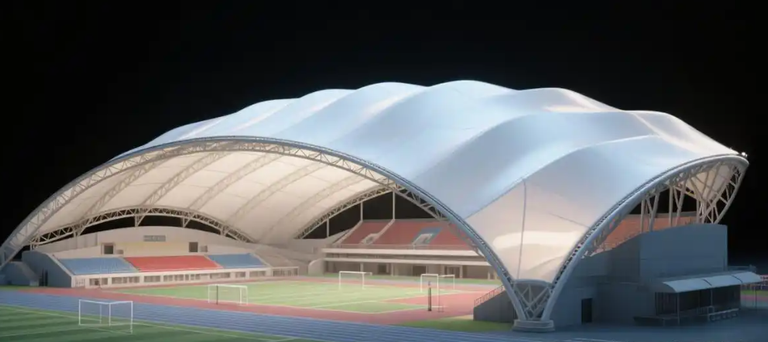
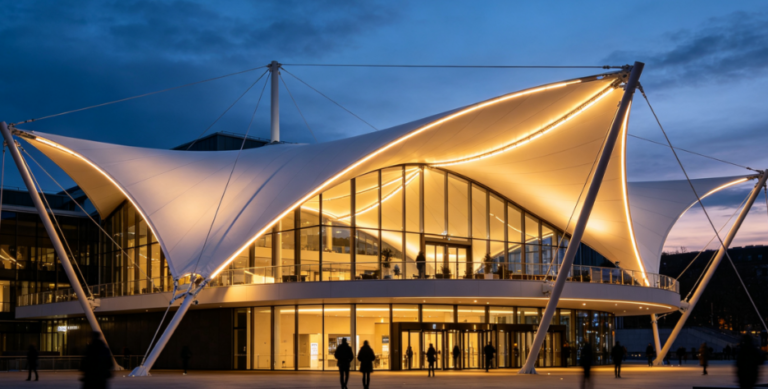
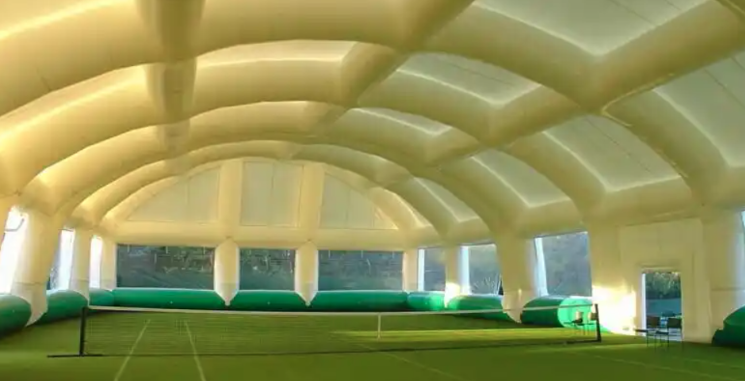
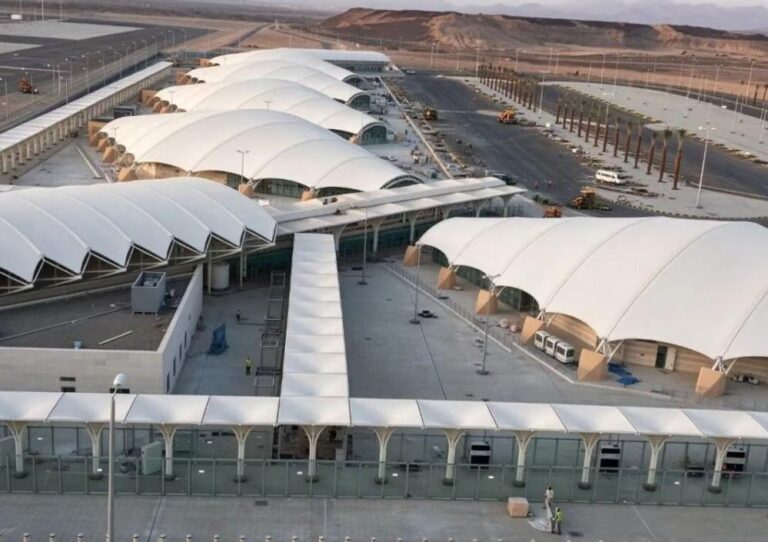
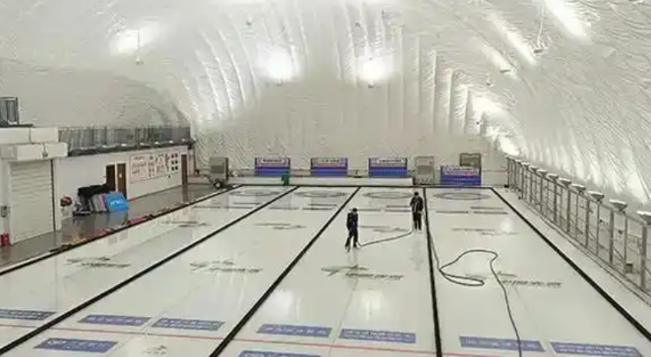
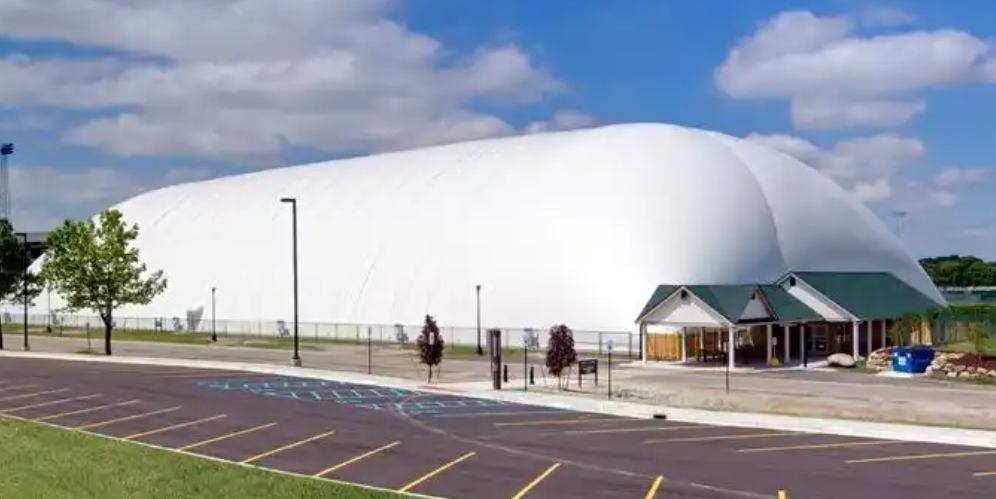
Every air-supported structure built by Zhongke is custom-designed and constructed to withstand the harshest conditions posed by the local climate; however, ongoing maintenance remains essential. As summer approaches—a season frequently marked by typhoons and heavy rainfall—it is crucial to prioritize the upkeep of air-supported venues to ensure their continued, proper operation.
- Regular System Inspections
All components of an air-supported structure—including the membrane, cable network, foundation anchoring, doors, fresh-air ventilation system, intelligent control system, and lighting—must be kept in good working order. Maintenance personnel should conduct regular inspections, strictly adhering to the operation and maintenance manuals provided by the manufacturer. Specific attention should be paid to details such as ensuring fresh-air intakes remain free of obstructions, verifying that backup generators have sufficient fuel reserves, and checking for any loosening at the anchor points.
- Maintaining Proper Inflation Pressure
Keeping the internal air pressure within the designed range is vital for the stability and safe operation of an air-supported structure. Proper inflation pressure is closely linked to the integrity of the anchoring system, inflation equipment, control systems, backup power supply, and the membrane material itself. It is essential to regularly inspect the membrane and its connection points for damage, as well as for the accumulation of snow or ice. If minor damage to the membrane is discovered, it may not pose an immediate, significant threat; nevertheless, it should be promptly inspected and repaired using appropriate methods. This prevents potential hazards that could arise if the structure were unable to withstand extreme weather conditions, such as high winds or heavy rain.
3. Managing Operations During Extreme Weather
Owners are advised to monitor severe weather warnings. Based on local weather forecasts and the guidelines provided in the user manual, the internal air pressure of the air-supported structure should be manually adjusted to the required level and maintained until the typhoon or heavy rain has passed. As power outages can occur during severe weather, it is essential to verify that backup power systems are functioning correctly to ensure the continued operation of the air-supported structure. Furthermore, ensure that any objects in the vicinity—both inside and outside—that could puncture the membrane are removed, preventing potential damage caused by excessive movement during high winds. Finally, a thorough inspection of all systems should be conducted within 24 hours following a snowstorm.
Air-supported structures offer distinct advantages, including energy efficiency, environmental friendliness, superior comfort, seismic resistance, and protection against haze. Crucially, they are more cost-effective to build and maintain than traditional structures. Their integrated design streamlines daily maintenance, which can be easily managed by staff after reviewing the maintenance manual.
Zhongke emphasizes the importance of maintenance—not because air-supported structures lack safety or durability, but because any structural system faces potential risks when subjected to complex loads. Currently, these structures have a service life of over 30 years. During the structural design and form-finding phase, they are engineered based on 50-year load cycle statistics—meeting the standards for permanent buildings. This means that with proper maintenance, their service life can be even longer.
If you are interested in innovative architectural spaces and membrane structures, we invite you to follow us and engage in further discussion with the team at Zhongke.