Design Services
How Perforated HDPE Mesh Canopies Resist Strong Winds
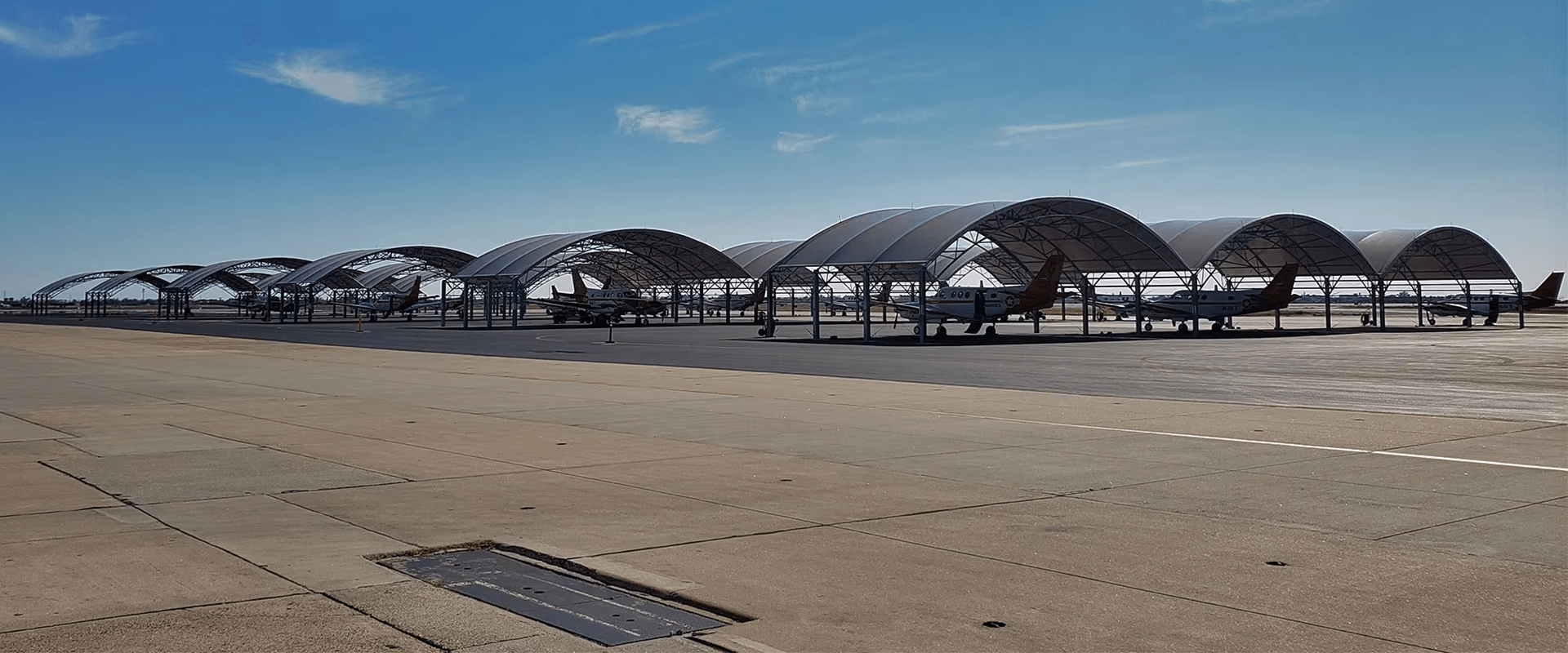
For outdoor tensioned shading structures, wind load is an unavoidable, core challenge. It is a common perception that tensioned membranes are vulnerable to high winds—susceptible to bulging, tearing, or even total structural collapse. However, HDPE mesh membranes—thanks to their open-weave physical structure—employ a wind-resistance strategy fundamentally different from that of solid (non-porous) membranes. This is the primary reason they are frequently chosen for projects in windy, coastal, or sandy/arid regions.
Solid PVC or PTFE membranes act as airtight enclosures. When high winds strike, the entire surface area bears the full force of the wind pressure, transmitting immense thrust to the steel columns and foundations. To ensure safety, the steel structural sections must be enlarged and the foundations deepened—measures that lead to a significant increase in construction costs.
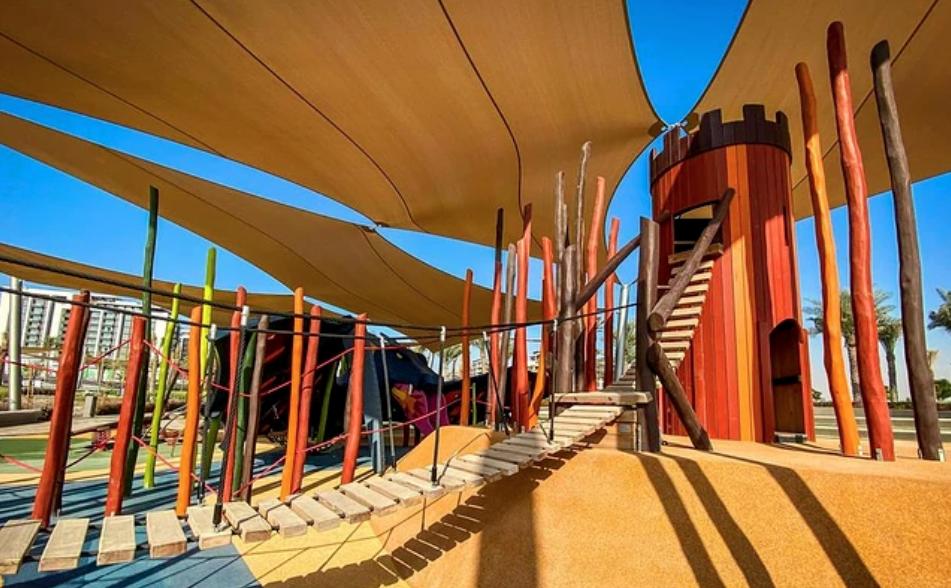
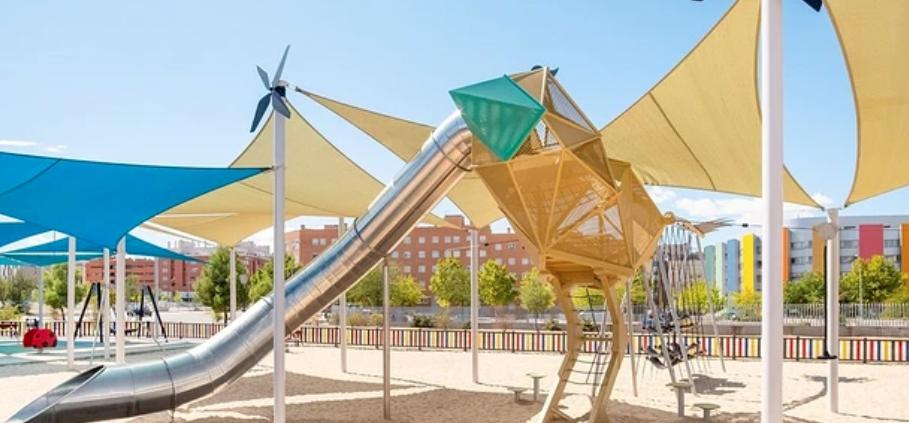
Furthermore, wind-induced vibration subjects the membrane to repeated, alternating loads, which accelerates material fatigue and aging. HDPE mesh membranes, by contrast, feature a fine, uniform mesh that allows airflow to pass directly through the material. This dissipates the vast majority of direct wind pressure, preventing the “sail effect” (where the structure catches the wind). Consequently, the load transferred to the underlying steel framework is substantially reduced, allowing for the optimization of column and foundation specifications.
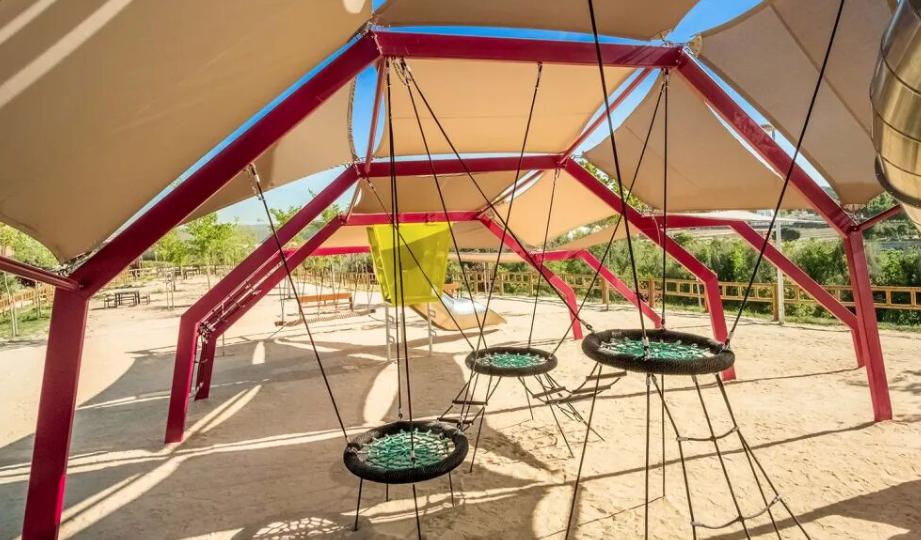
However, being “permeable” does not mean the material is “immune” to high winds. The wind resistance of a mesh membrane is the result of a combination of the material itself, the tensioning process, and the design of the connection nodes.
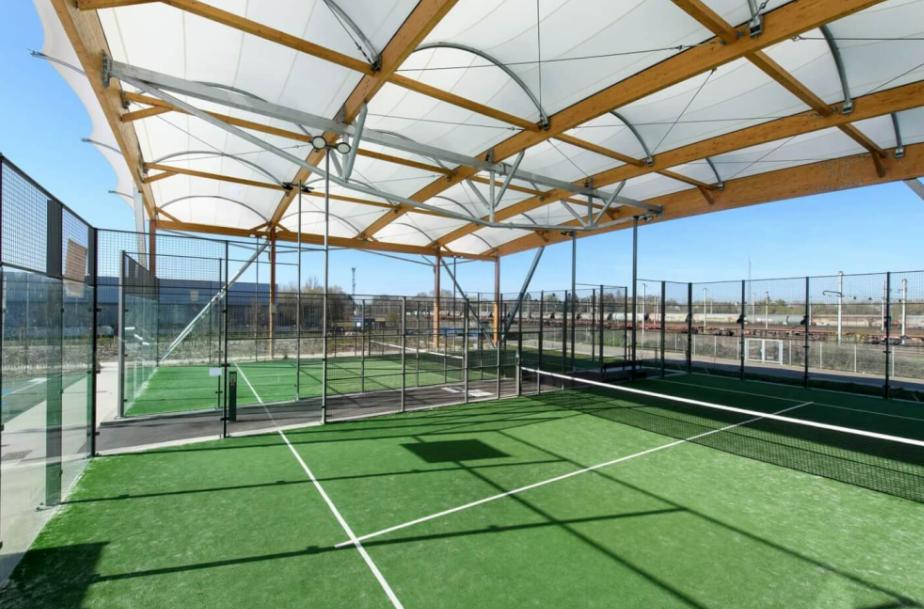
The tensile strength of the membrane material—in both the warp and weft directions—establishes the baseline for tear resistance. During on-site installation, the pre-tension must be carefully calibrated: if it is too loose, the membrane will flap violently in high winds, accelerating wear at the edges and corners. Conversely, if it is too tight, the material remains under excessive, constant stress, making it prone to tearing when subjected to extreme gusts.
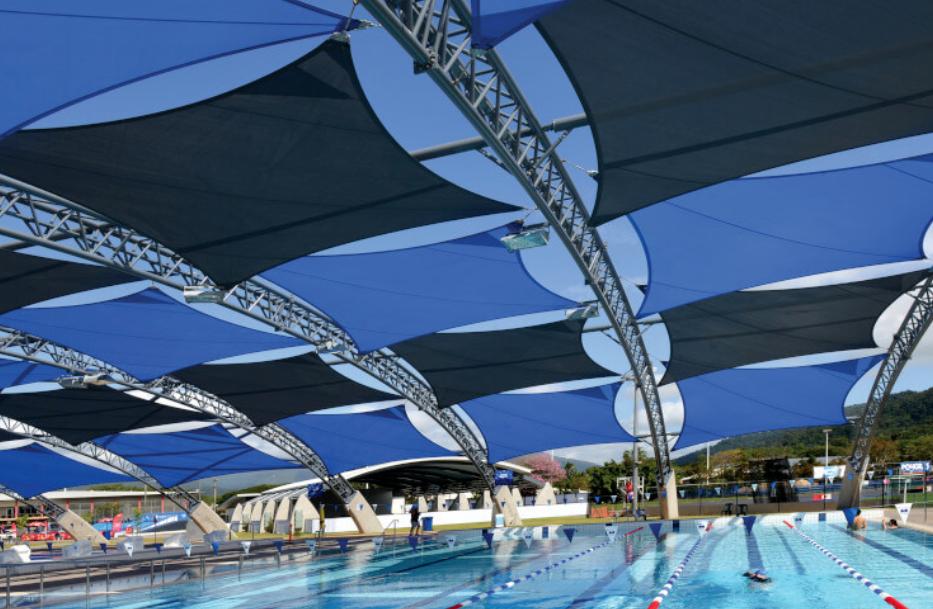
Reinforced stitching at the edges and corners, as well as the density and placement of metal grommets or attachment rings, are also critical components of the wind-resistance system. In many instances, structural failure does not originate within the membrane material itself, but rather begins at the edge or corner connection nodes. In areas such as coastal wind corridors, river valleys, or regions prone to typhoons, the aerodynamic advantages of mesh membranes become particularly pronounced. Rather than relying on heavy, rigid structures to withstand wind forces, these systems utilize a permeable design to channel and dissipate airflow.
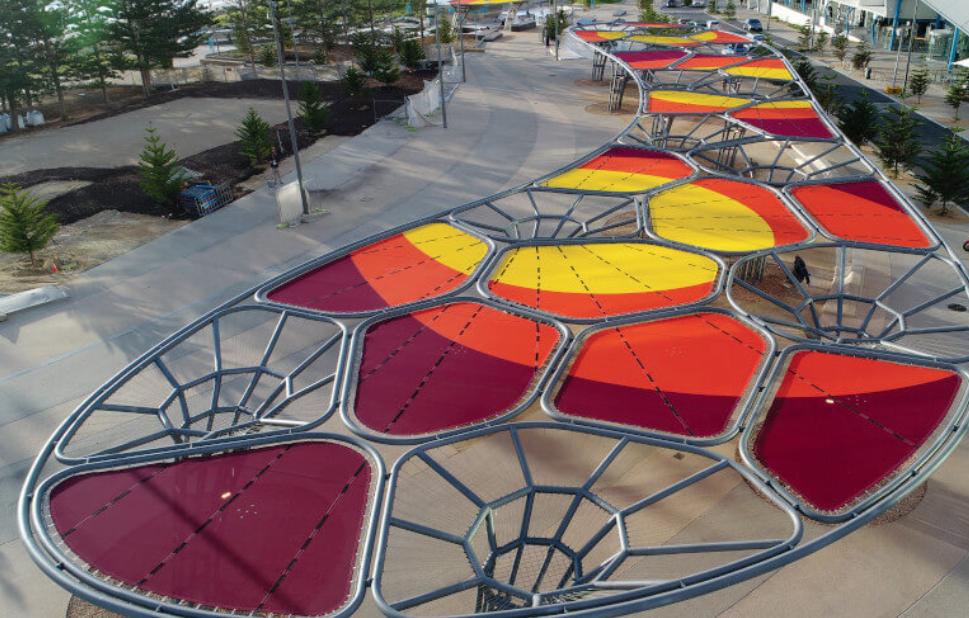
This serves as a reminder to designers that they cannot simply replicate blueprints intended for calm, inland environments. Instead, they must account for local meteorological conditions, conduct thorough wind-load assessments, and optimize tensioning parameters and connection details. Only by grasping the aerodynamic logic underlying the mesh structure can one truly leverage the material’s potential to create safe and reliable outdoor shading systems.