Design Services

Durable All-Weather Landscape Shade with HDPE Mesh
my country’s vast territory encompasses diverse climatic conditions: the south is characterized by high temperatures, heavy rainfall, and stifling humidity; the north experiences intense ultraviolet radiation and dramatic diurnal temperature fluctuations; coastal regions are prone to typhoons and salt spray; and inland areas frequently face wind, sand, and dust. These complex and volatile outdoor environments place exceptionally high demands on the weather resistance, stability, and adaptability of landscape shading materials.
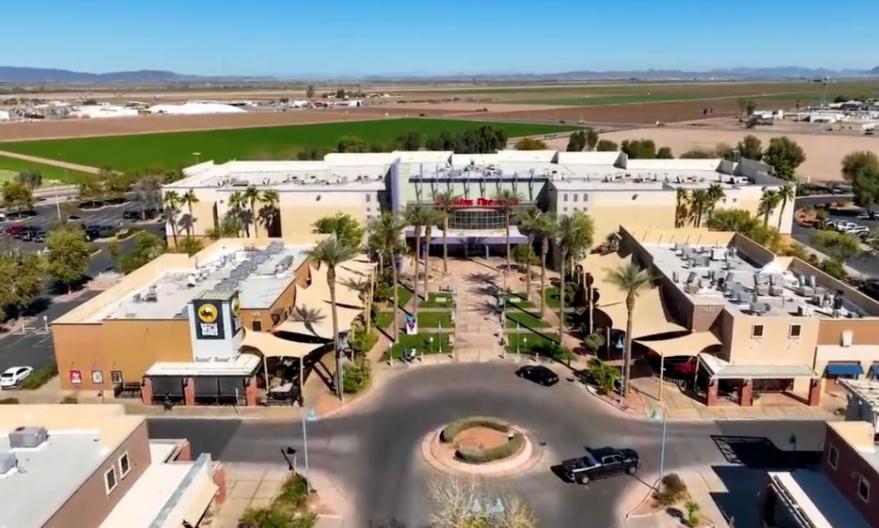
Many conventional outdoor shading materials often fall short: they are prone to mold in the south, brittleness and cracking in the north, corrosion in coastal areas, and the accumulation of dust or physical damage in sandy, wind-swept regions. Such issues lead to short service lives and frequent repairs, driving up long-term maintenance costs for landscape installations.
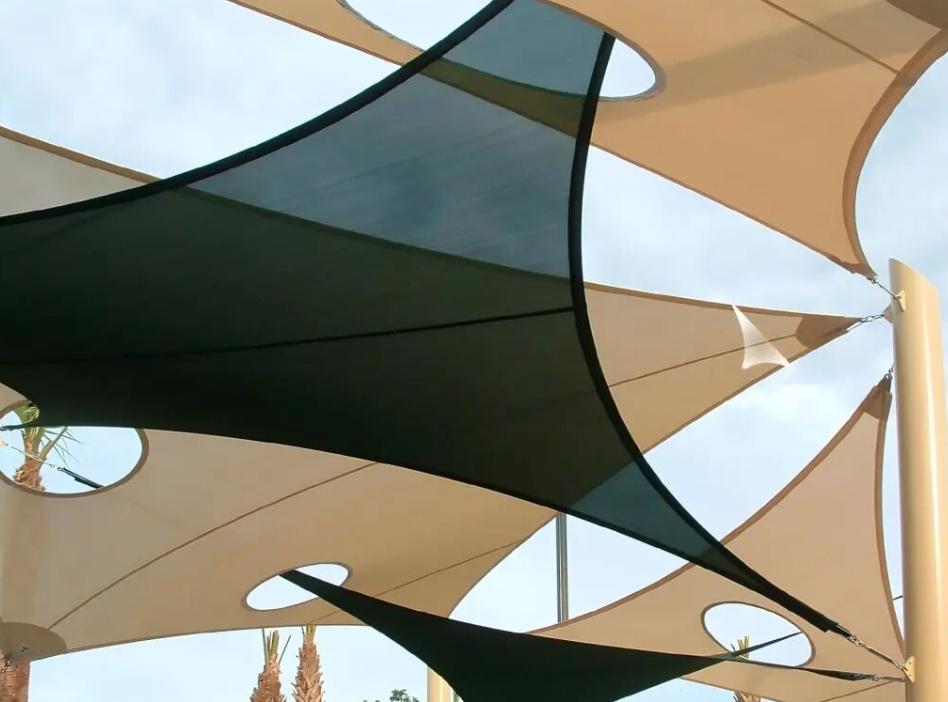
Modified HDPE (high-density polyethylene) landscape mesh membranes, with their superior weather resistance and universal adaptability, have emerged as an ideal shading solution for a wide range of extreme climates.
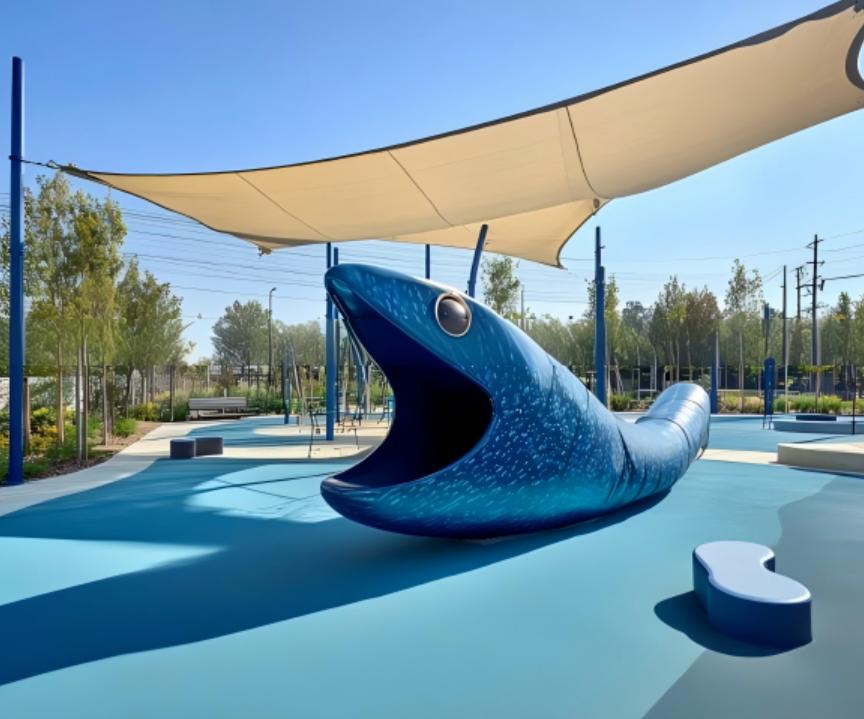
In the rainy, high-humidity climate of the south, HDPE mesh membranes excel—they are hydrophobic, moisture-resistant, and do not absorb or retain moisture. Their open-mesh structure ensures excellent ventilation, allowing them to dry rapidly after rain. This fundamentally prevents mold, staining, and decay, effectively resolving the chronic problem of outdoor shading structures becoming damp, dirty, and unsightly.
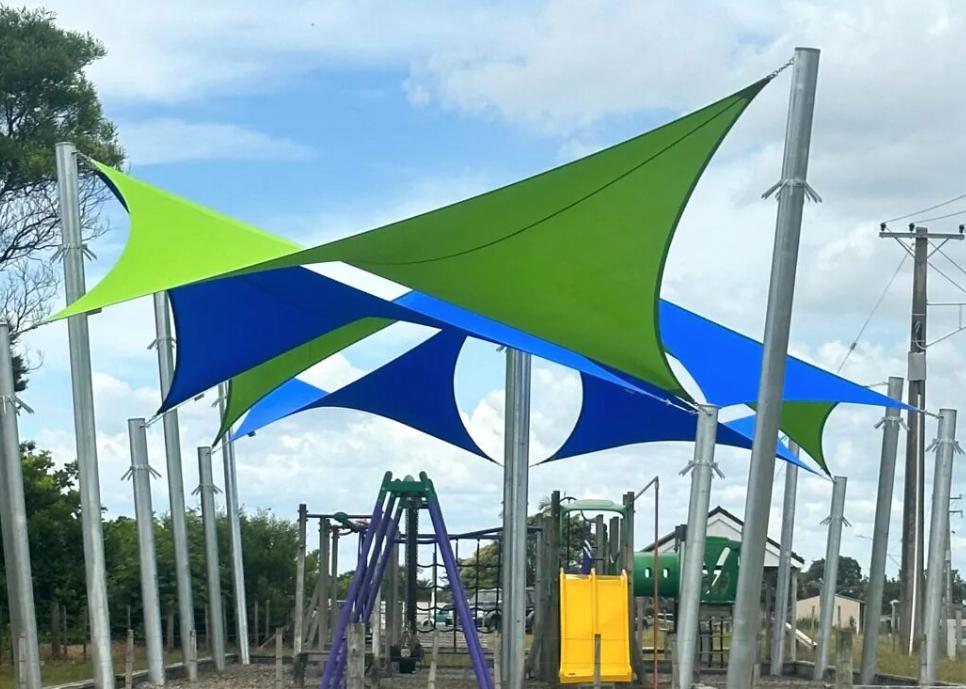
In the north, where conditions range from intense summer sun to freezing winter temperatures, modified HDPE remains resilient. It resists the stress of extreme temperature swings—remaining flexible and non-brittle in the cold, while resisting softening, deformation, chalking, or fading under high-heat exposure. Its performance remains stable throughout the four seasons, with no material degradation caused by seasonal shifts.
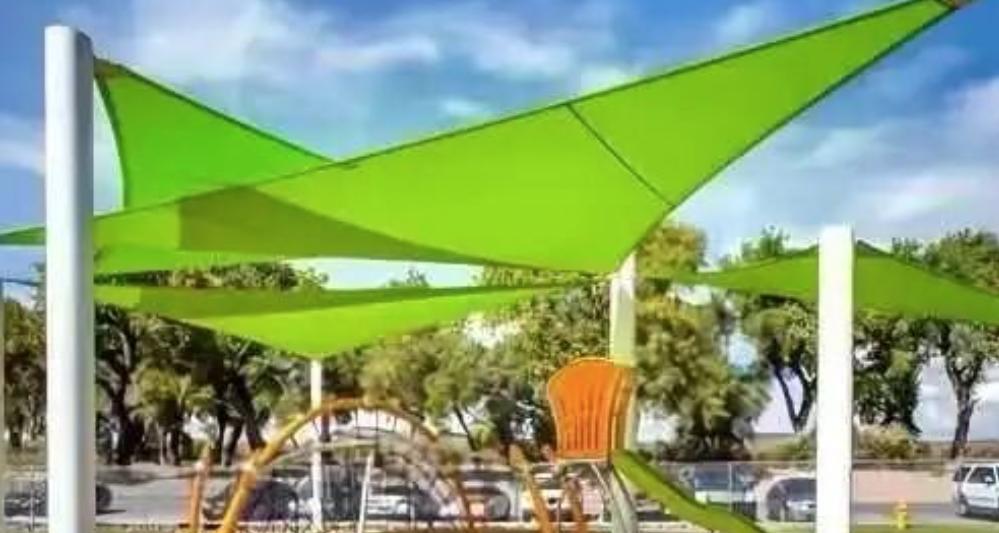
In coastal and sandy regions, the material’s advantages are even more pronounced. Chemically stable, HDPE is resistant to salt spray, acids, alkalis, and the abrasive effects of wind-blown sand. It withstands chloride-ion corrosion in seaside environments and the persistent erosion caused by sand and dust inland, maintaining its structural integrity and smooth, uniform appearance even after long-term outdoor use.
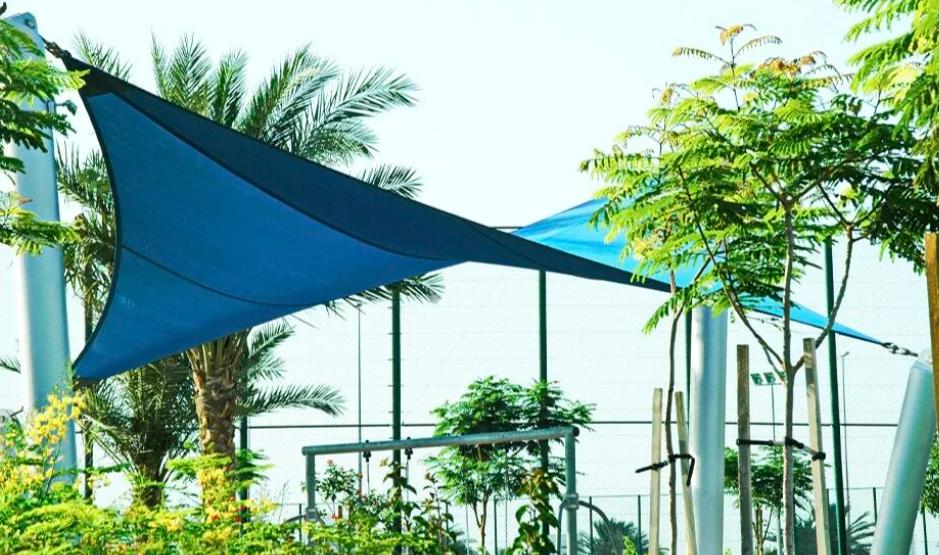
Thanks to its ability to adapt to diverse climates across the country, HDPE mesh membrane overcomes the limitations of traditional materials—which are often restricted to specific regions or narrow operating conditions. Whether in the north or south, inland or along the coast, it delivers consistent, long-lasting performance.
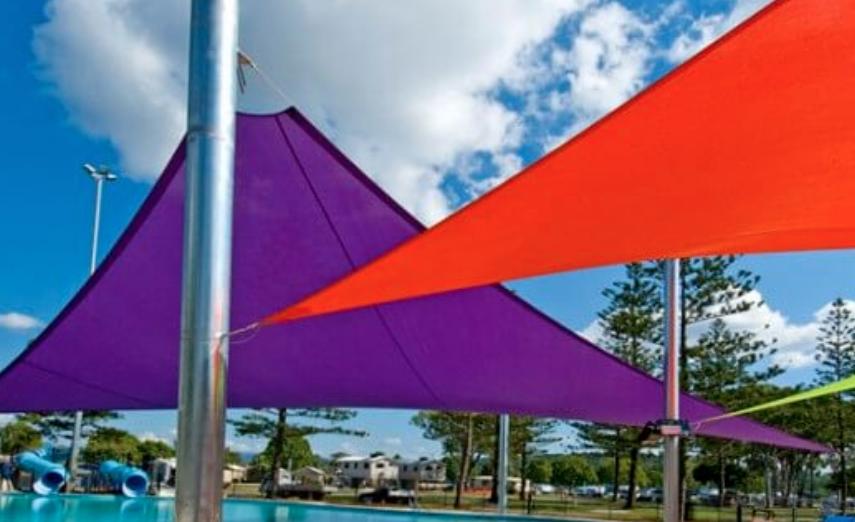
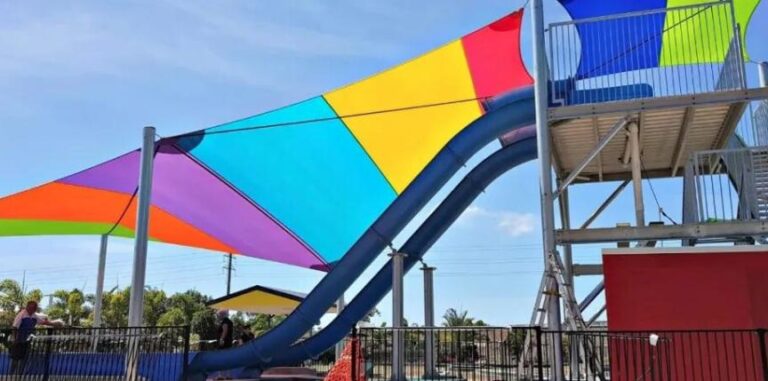
Combining all-weather protection, an aesthetically pleasing appearance, and exceptionally low maintenance costs, this material is truly versatile enough for landscape projects nationwide. It offers a highly adaptable, stable, and cost-effective solution for outdoor shading systems in municipal parks, cultural tourism sites, commercial landscapes, and community spaces.