Design Services


How Long Does an Inflatable Air Dome Last? Key Factors
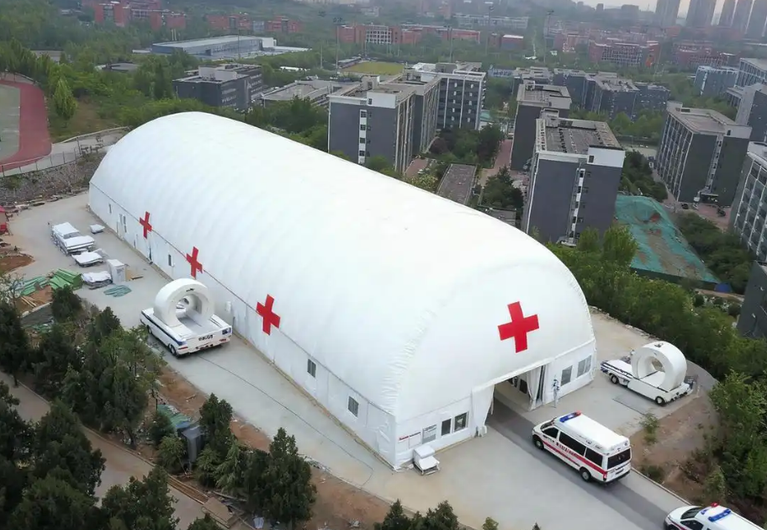
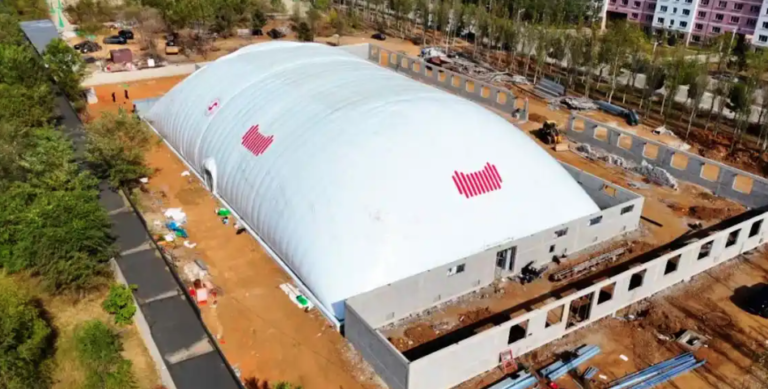
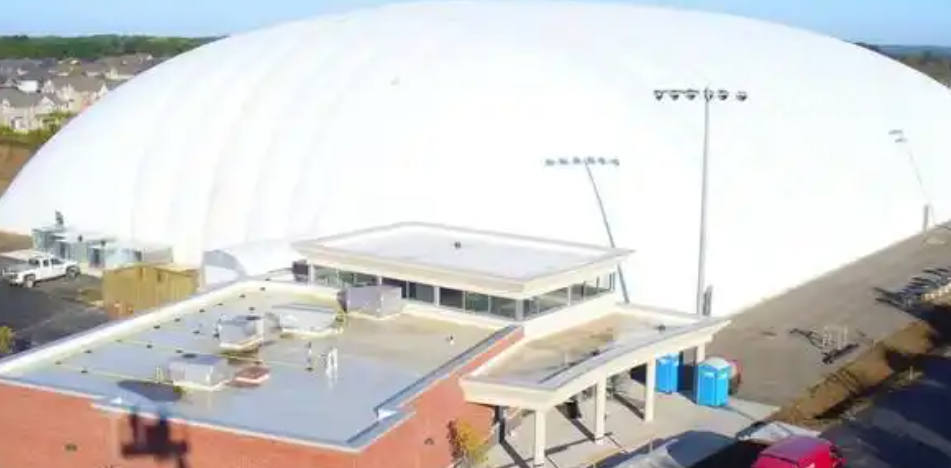
Air-supported structures represent a modern architectural form characterized by high efficiency, environmental friendliness, and mobility. They are widely used in applications such as sports facilities and industrial enclosures (e.g., covering storage areas or industrial sites). A common question concerns the service life of these structures: how many years can they actually last, and how can their lifespan be extended?
I. Design Lifespan of Air-Supported Structures
The design lifespan refers to the duration anticipated by architects during the planning phase. In terms of structural design, these buildings are typically engineered based on load statistics corresponding to a 50-year cycle—a standard equivalent to that of permanent structures. However, the actual service life is influenced by various factors, including the materials used, environmental conditions, and operational circumstances.
II. Actual Service Life of Air-Supported Structures
The actual service life refers to the total duration the structure remains in functional use. This can vary depending on specific usage conditions; under normal circumstances, an air-supported structure can last for 30 years or more.
III. Methods to Extend the Lifespan of Air-Supported Structures
- Standardized Construction: The longevity of an air-supported structure is closely linked to the quality of its materials, equipment, design, and construction. Therefore, when investing in such a project, it is essential to select a reliable manufacturer; adherence to professional construction standards is the foundation for ensuring a long service life.
- Regular Inspection and Maintenance: Ongoing maintenance is key to extending the lifespan of an air-supported structure. Maintenance personnel should conduct routine inspections to promptly identify and address issues such as air leaks or physical damage, which effectively prolongs the structure’s operational life.
- Proper Usage: During operation, the structure should be protected from punctures or impacts caused by sharp objects, and human-induced damage should be minimized. Furthermore, in the event of severe weather—such as high winds or heavy rain—proactive measures should be taken, including rigorous inspections and increasing the internal air pressure to enhance structural stability. In summary, air-supported structures can remain in service for over 30 years. Through standardized construction, regular inspection and maintenance, and proper usage, their service life can be effectively extended.
If you are interested in innovative architectural spaces and membrane structures, we invite you to follow us and engage in further discussion with the team at Zhongke Membrane Structures.