Design Services
Application of Membrane Structures in Landscape Architecture
Membrane structures are a type of architectural system that emerged in the mid-20th century. They consist of high-strength membrane materials combined with supporting components—such as steel frames, columns, or cables—tensioned to create specific spatial forms. Functioning as a covering system, these structures are capable of bearing external loads.

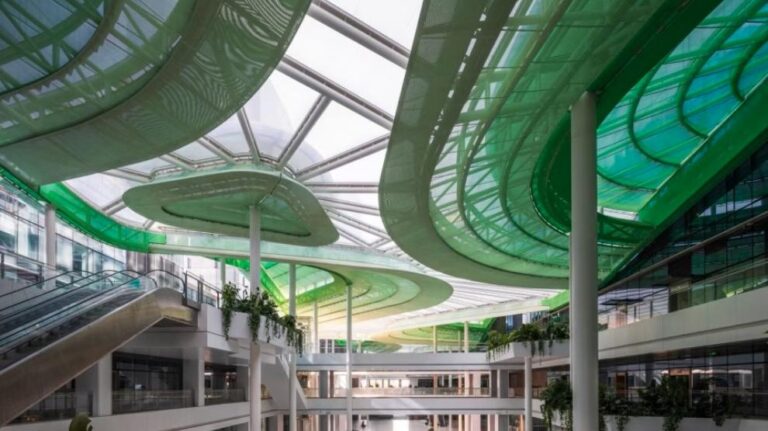
As an innovative architectural form, membrane structures integrate disciplines including architecture, structural mechanics, fine chemical engineering, materials science, and computer technology. They represent a high level of technical sophistication; their curved surfaces can be tailored to an architect’s vision, allowing for the creation of iconic, landmark projects that harmonize with their surrounding environment. Due to their novel, unique aesthetic and excellent structural performance, they are widely used in sports and fitness facilities, cultural and entertainment venues, transportation infrastructure, industrial and agricultural buildings, and landmark structures.

I. Common Materials Used in Membrane Structures
The most frequently used materials for membrane structures are PTFE and PVC membranes.
1. PTFE Membrane Materials
PTFE membranes are composite materials created by coating a base fabric—woven from ultra-fine glass fibers—with PTFE (polytetrafluoroethylene) resin. Key characteristics include high strength, exceptional durability, fire resistance, and self-cleaning properties. They are resistant to ultraviolet (UV) radiation and offer a service life of over 20 years. These membranes feature high light transmission (approximately 13%), diffusing sunlight into a soft, natural glow that eliminates harsh shadows and glare. With a solar reflectance of 73%, they absorb minimal heat, ensuring that the interior environment remains comfortable even under intense summer sun.

2. PVC Membrane Materials
PVC membranes are composite materials formed by coating a polyester fiber base fabric with PVC (polyvinyl chloride) resin. Compared to PTFE, PVC membranes have lower strength and fire resistance, with a typical service life ranging from 7 to 15 years. To address the self-cleaning issue of PVC membrane materials, a layer of PVDF (polyvinylidene fluoride) is typically applied over the PVC coating, resulting in what is known as a PVDF membrane material.
II. Classification of Membrane Structures
Based on their structural form, membrane structures can be categorized into three types: frame-supported membrane structures, pneumatic (air-supported) membrane structures, and tensile membrane structures.

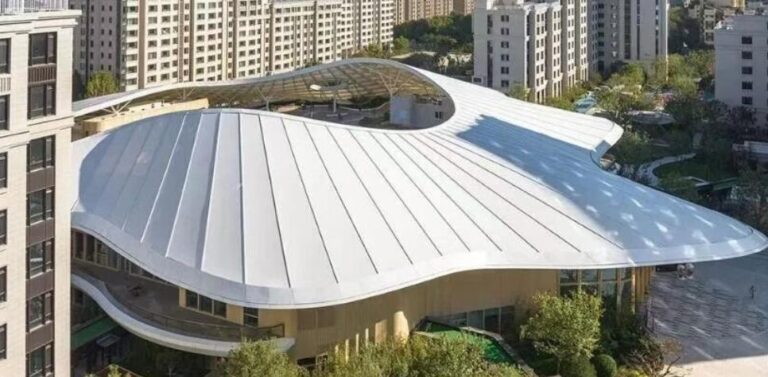
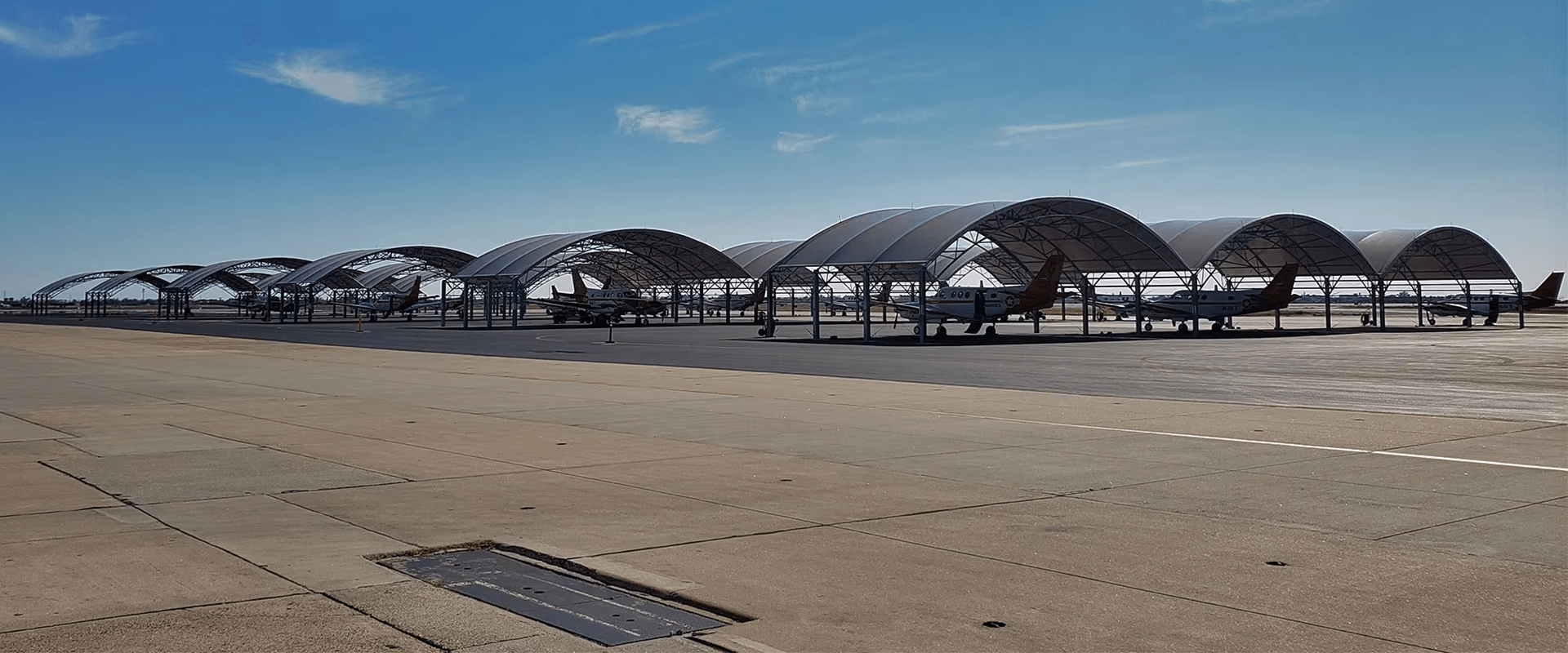
1. Frame-supported membrane structures: These consist of a membrane material stretched over a framework—typically made of steel or other materials—to form a roof or exterior wall. Possible shapes include planar, singly curved, and doubly curved (such as saddle-shaped) forms.

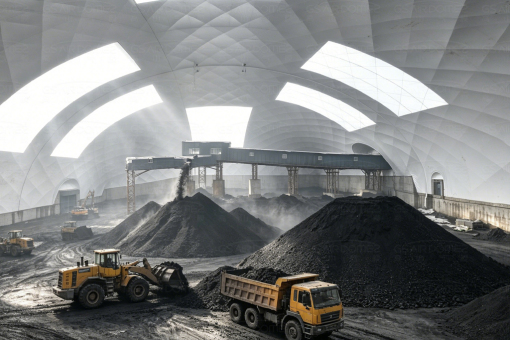
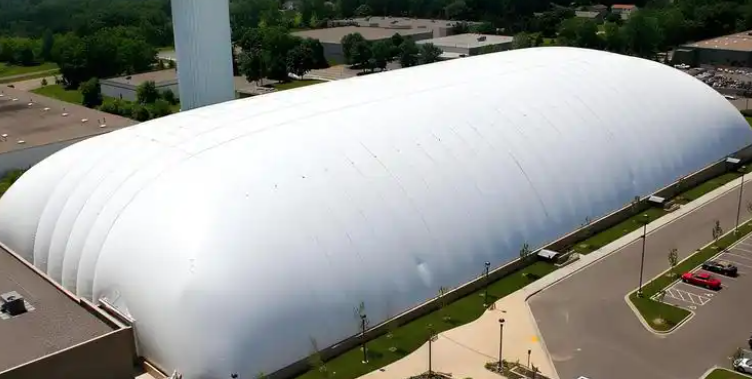
2. Pneumatic (air-supported) membrane structures: These involve inflating the interior space enclosed by the membrane. By maintaining an internal air pressure higher than the external atmospheric pressure, the membrane material is kept in a state of tension, allowing it to resist external loads and forces. These structures can be either single-layered or double-layered.
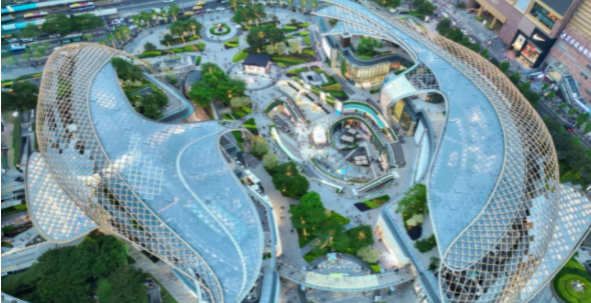
3. Tensile membrane structures: These are formed by tensioning the membrane material over a structure using cables. The membrane surface achieves a balance between internal and external forces through variations in its own curvature.

III. Advantages of Membrane Structures
In addition to meeting standard functional requirements, membrane structure buildings offer the following significant advantages:
1. Cost-effectiveness: The construction cost of a membrane structure is typically only one-third to one-half that of a conventional building. While the cost of tensile structures varies depending on the span and design, they consistently offer a superior price-to-performance ratio compared to traditional construction methods. Furthermore, because the membrane material possesses a certain degree of light transmittance, it reduces the need for artificial lighting during the day, leading to significant energy savings. At night, the transmission of colored light through the membrane creates a striking visual effect.

2. Short construction period: All processing and fabrication for membrane structure projects are completed off-site in a factory. This minimizes on-site construction time and helps avoid conflicts between different construction trades. Compared to traditional construction methods, the construction cycle for membrane structures can be reduced by at least half; typical projects can be completed within two months, without interfering with the progress of other concurrent construction work.

3. Large span. The membrane materials used in these structures are extremely lightweight—weighing only about 1 kilogram per square meter. Consequently, membrane structures fundamentally overcome the challenges associated with large-span (unsupported) construction in traditional building methods. They create expansive, unobstructed visual spaces, effectively increasing the usable floor area. Currently, the maximum span for membrane structures has exceeded 200 meters.

4. Unique forms. These structures offer dynamic, novel, and visually compelling aesthetics. Their application extends well beyond sports facilities or exhibition halls to include residential and landscape architecture. Membrane structures can vary significantly in scale—ranging from small street installations to airport terminals and large stadiums—and in lifespan, serving as either temporary exhibition pavilions or permanent structures designed to last 30 years or more. They also offer great versatility in color; the membrane material can be dyed in various patterns and hues. Furthermore, the semi-translucent nature of the material allows these structures to take on dreamlike, vibrant colors when illuminated at night.

5. Self-cleaning properties. Membrane structures utilize materials with protective coatings, which provide excellent self-cleaning capabilities. Rainwater naturally washes away dirt from the exterior, helping to maintain the building’s appearance and ensure its longevity. Additionally, membrane structures offer advantages such as ease of transport, simple replacement or renewal, and a design that prevents the accumulation of snow.