Design Services
How Tension & Aesthetics Shape Tensile Membrane Roofs
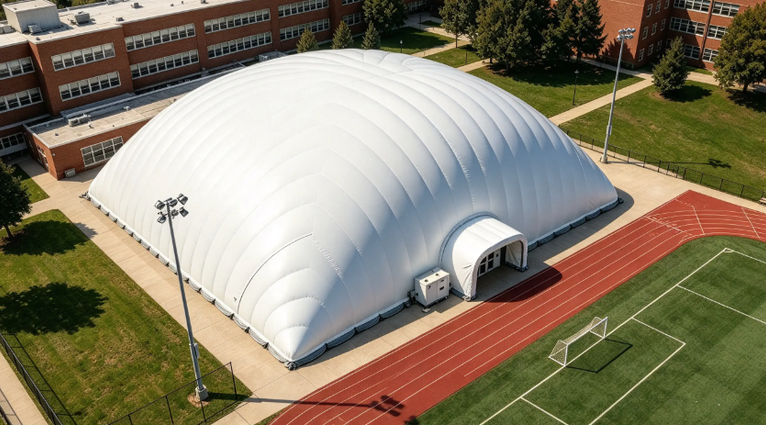
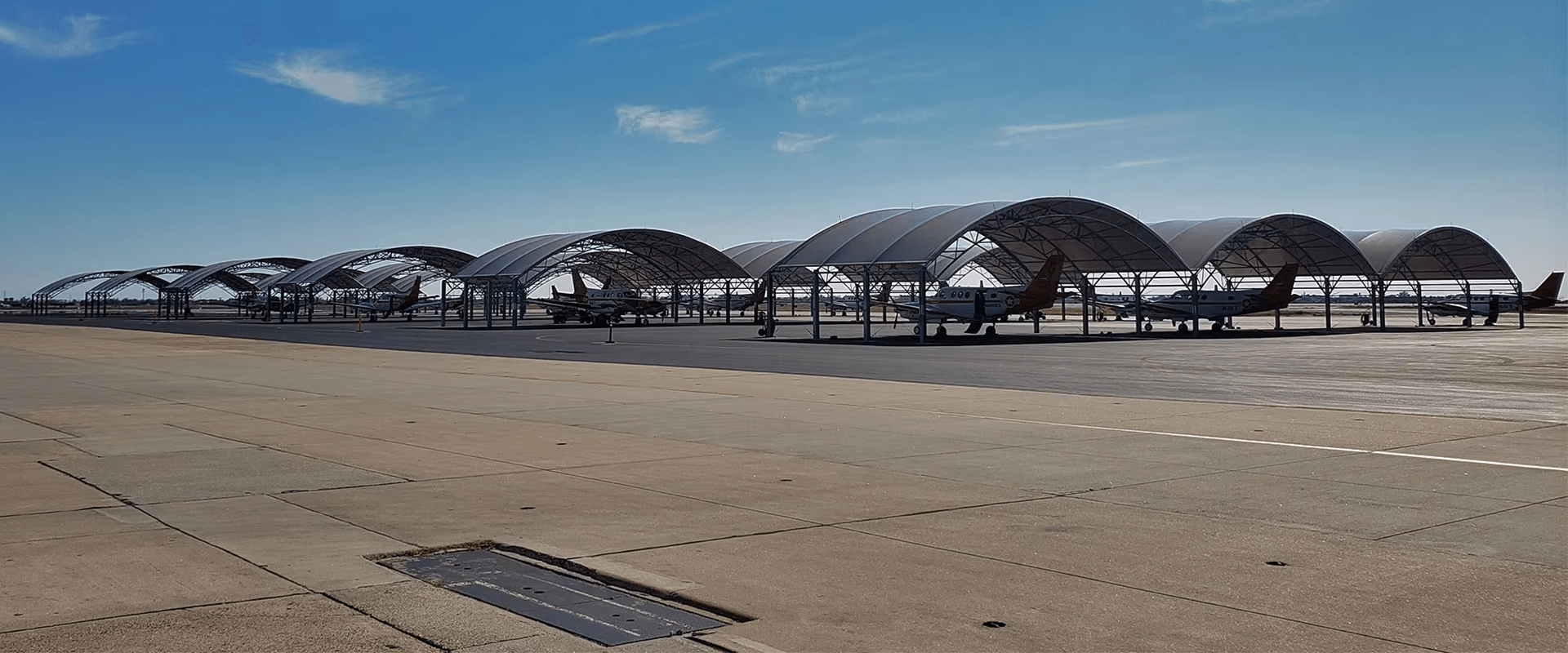
The aesthetic appeal of spatial structures is often striking—a quality that stems from sound structural design. Straight lines possess a sense of strength, while curves convey a sense of tension; both are beautiful. Similarly, the beauty of a honeycomb or a spiderweb lies in their rational, minimalist structures, which are also highly functional. Architectural beauty generally encompasses form, color, ornamentation, cultural context, and conceptual philosophy. As a form of lightweight architecture, tensile membrane structures not only embody these elements perfectly but also achieve a harmonious unity: architecture is structure, and structure is function. It is this trinity—architecture, structure, and function—that reveals the ultimate aesthetic potential of a built work.


The core of designing a tensile membrane structure lies in controlling boundary conditions and the geometry of the supporting framework to arrive at an optimal membrane form that meets all design requirements. Unlike traditional architectural design, the creation of a tensile membrane structure requires close coordination across multiple professional disciplines. To achieve the most minimalist design that still fulfills functional needs, structural architects must collaborate intimately with other engineering specialists.

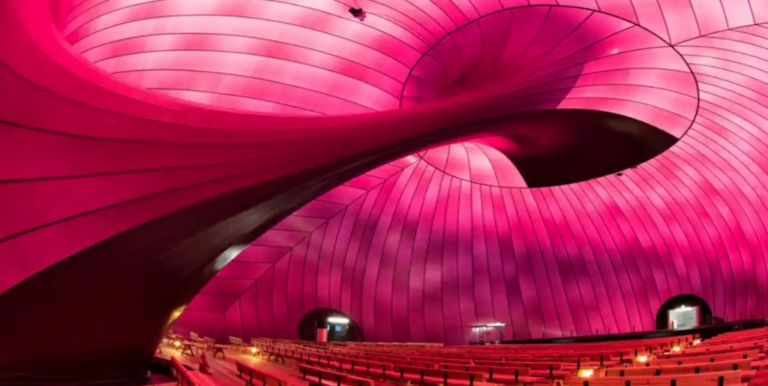
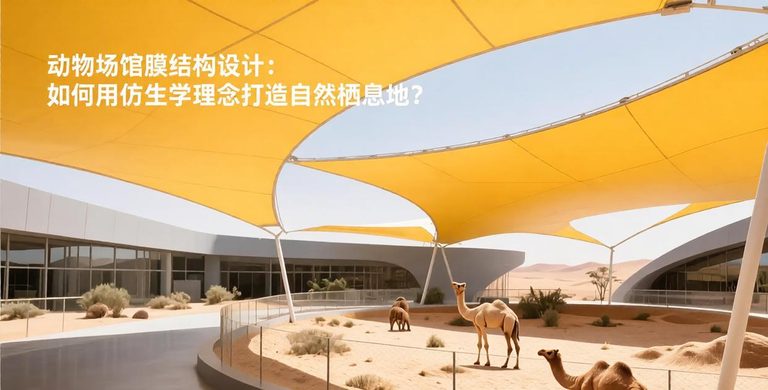
While traditional architectural design often focuses on the rational organization of space, membrane structures represent a form where the load-bearing system and the external aesthetic are inextricably linked. The simplicity of a membrane surface creates compelling spatial and environmental effects through the interplay of light and shadow. Yet, this very simplicity leaves no room to hide design flaws; any slack in tension or lack of continuity is immediately exposed, often resulting in unsightly wrinkles or deformations. A well-designed membrane structure effectively withstands external environmental factors, such as sunlight, rain, wind, and snow.

Thanks to their high structural efficiency, membrane structures can redistribute localized, concentrated loads through significant geometric deformation—without causing a disproportionate spike in stress within the affected area. These characteristics define membrane structures as “lightweight” systems: they offer immense formal versatility while maintaining both structural integrity and a clean, minimalist appearance. This is precisely why tensile membrane structures are so frequently perceived as possessing a striking, powerful aesthetic.