Design Services
Reshaping Outdoor Light with Architectural HDPE Mesh
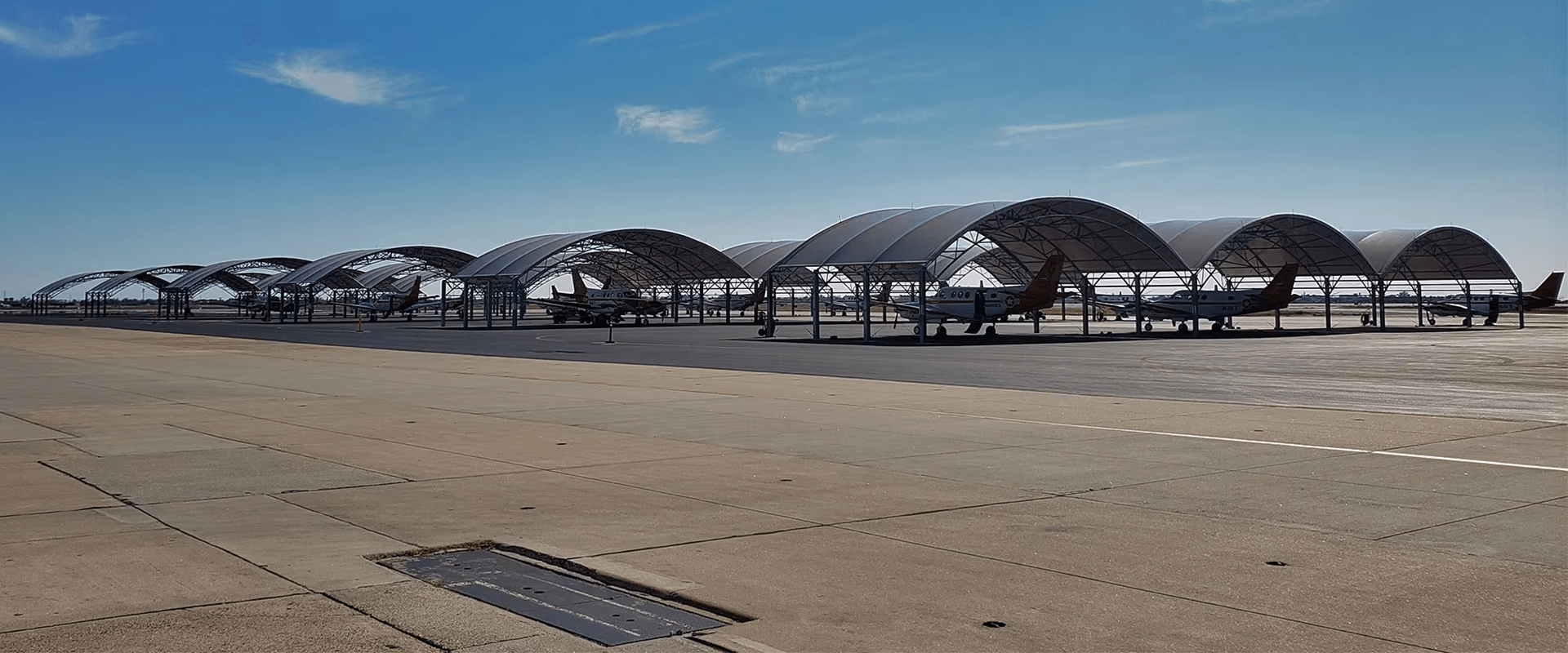
When people think of HDPE mesh membranes, their first association is often shade and cooling; however, their deeper value lies in their ability to reshape the light environment of outdoor spaces.
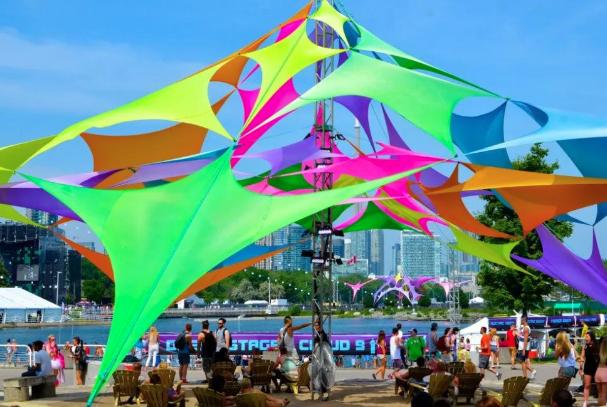
Comfort in outdoor public spaces is not about completely blocking out the sun, but rather about filtering and modulating light. Through its woven texture, the mesh membrane alters the way sunlight reaches the ground, imbuing a site with a unique character defined by light and shadow.

Unfiltered direct sunlight creates extreme contrast—blindingly bright areas juxtaposed with overly dark shadows. The human eye must constantly adjust to these shifts, which can easily lead to visual fatigue during prolonged exposure.

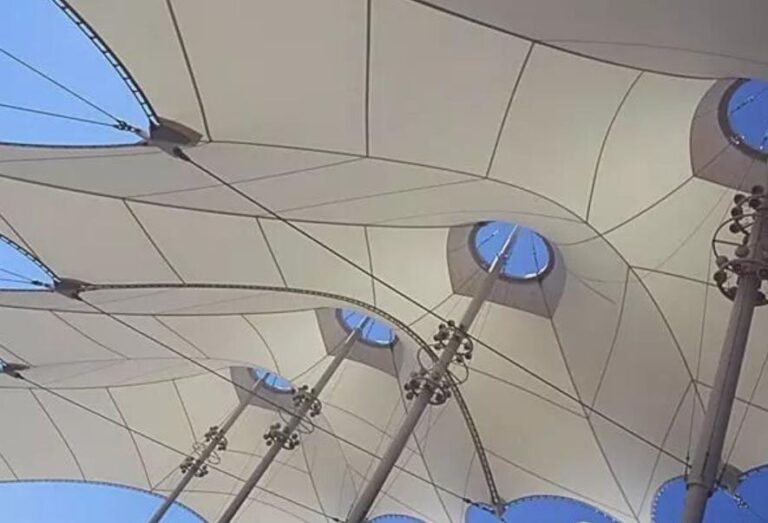
HDPE mesh membranes filter light through their apertures, transforming harsh, direct rays into soft, uniform, diffused light and softening the contrast between light and dark. Beneath such a membrane, one does not experience the oppressive, enclosed feeling often caused by a solid, heavy roof. Instead, one remains connected to the sky—perceiving its changing conditions—a visual link to nature that is difficult to achieve with a rigid, opaque canopy.

Light and shadow can also be treated as designable landscape elements. As sunlight passes through the woven mesh, it casts shifting, dappled patterns across the ground and walls. These patterns evolve as the sun moves, imbuing a static, hard-surfaced space with dynamic, fluid change.

In children’s play areas, these shifting patterns can serve as a natural medium for play; along leisure walkways, the dappled light softens the cold, rigid feel of paved surfaces; and in outdoor commercial seating areas, the gentle, diffused light creates an inviting atmosphere—perfect for photography and social media sharing.

Nighttime scenarios are equally significant. When internal or ambient lighting is directed onto the mesh membrane, its woven texture is revealed. The material acts as a soft-light diffuser, allowing light to permeate through the mesh—providing gentle illumination for the space while creating a distinctive, recognizable nighttime aesthetic. Naturally, selecting the right material requires balancing the shading rate with light transmission: an excessively high shading rate can lead to an overly dim environment after dark, while one that is too low fails to provide adequate sun protection. For designers, HDPE mesh membranes offer more than just a means to block intense sunlight; they serve as a design medium for modulating light and shadow—optimizing the luminous environment to elevate the spatial quality of the entire outdoor area.